Essential Forklift Maintenance Services in Wollongong
Written By: Darko Proper maintenance of forklifts is essential to sustain operational efficiency and safety in industrial facilities. In Wollongong, businesses depend on professional maintenance services to keep equipment in optimal condition. This article outlines available services, emergency repairs, scheduled maintenance plans, and best practices and explains how to recognise repair needs, what effective maintenance plans include, and how to comply with safety standards. Applying these measures helps extend equipment life, improve productivity, and reduce downtime. Indeed, a comprehensive study of forklift maintenance, efficiency, and life cycle is crucial for businesses seeking to optimise their operations. What Emergency Forklift Repair Services Are Available in Wollongong? Emergency repair services reduce downtime and maintain workplace safety. In Wollongong, providers deliver on-site repairs, diagnostic troubleshooting, and parts replacement to restore forklifts to service promptly. For immediate assistance, Wollongong Forklift offers emergency forklift repair services. Businesses can call (02) 4288 1513 for prompt support. How Quickly Can Emergency Repairs Be Arranged? Emergency repairs are commonly arranged within 24 hours, subject to the severity of the fault and parts availability. Response time is influenced by repair complexity, site location, and the service provider’s current workload. Maintain a reliable emergency contact to ensure timely support. Common Signs Indicating Immediate Forklift Repair Needs Recognising signs that a forklift requires immediate repair is important for safety and efficiency. Common indicators include: Abnormal Noises: Unusual sounds such as grinding or clunking can indicate mechanical faults. Fluid Leaks: Any visible fluid leaks should be addressed promptly to prevent further damage. Failed Safety Devices: If alarms, lights, or other safety features fail, the vehicle should be removed from service until repaired. Early detection of these issues helps prevent more serious failures and protects operators. What Do Scheduled Forklift Maintenance Plans Include in Wollongong? Scheduled maintenance plans provide structured care to ensure safe and efficient operation. Typical elements include preventive inspections, battery servicing, and safety checks. Regular maintenance identifies issues early, lowers the risk of breakdowns, and extends equipment life. This approach aligns with industry understanding that preventive maintenance is fundamental to operational efficiency. Preventive Maintenance for Forklift Operational Efficiency The literature review identified the most common maintenance types as (i) corrective maintenance applied when forklifts are not in active operation; and (ii) preventive maintenance applied when forklifts are in use. This study contributes to methods for measuring operational efficiency in forklifts. Overall Forklift Effectiveness: The Proposal of A Model for Measuring Productive Efficiency in Forklifts, FL Nunes, 2025 Wollongong Forklift provides tailored maintenance plans that address specific business requirements and ensure coverage of critical forklift care tasks. Which Maintenance Activities Are Covered in Scheduled Servicing? Scheduled servicing covers a range of activities to maintain forklifts in peak condition. Key activities include: Safety Checks: Regular inspection of safety systems to confirm regulatory compliance. Hydraulic Tuning: Adjustment of hydraulic systems for reliable performance and efficiency. Battery Maintenance: Management of battery charge and condition to prevent operational delays. These tasks are fundamental to maintaining forklift reliability and workplace safety. How Scheduled Maintenance Improves Forklift Safety and Longevity Scheduled maintenance is essential to improving safety and extending service life. Adherence to a maintenance schedule reduces unexpected breakdowns and accidents and ensures safety features operate correctly to protect personnel. Routine inspections detect wear on components early, permitting timely replacement and repair. This practice contributes to a safer and more efficient work environment. What Are Expert Forklift Maintenance Tips and Best Practices? To maximise forklift life and performance, operators should follow established maintenance practices. These include: Routine Checks: Conduct daily pre-shift inspections to identify potential issues before operation. Proper Lubrication: Ensure moving parts are adequately lubricated to reduce wear. Operator Training: Provide comprehensive training so operators understand correct handling and maintenance procedures. Applying these practices improves operational safety and efficiency. How to Perform Routine Forklift Safety Checks Routine safety checks are vital to safe forklift operation. Key steps include: Daily Pre-Shift Inspection: Verify there is no visible damage, check for fluid leaks, and confirm safety devices are operational. Documentation of Checks: Keep a log of inspections to record issues and track repairs over time. Battery and Hydraulic System Checks: Inspect battery charge and hydraulic fluid regularly to maintain performance. Following these procedures helps prevent accidents and ensures forklifts remain in safe working condition. Industry guidance further emphasises the critical role of daily inspections in preventing equipment failure and safeguarding workers. Daily Forklift Inspections for Defect Identification & Safety The daily inspection process assists in identifying problems that can lead to equipment failure, property damage, or worker injury. A daily, pre-shift inspection of powered industrial trucks, forklifts, narrow-aisle reach trucks, walkie pallet lifts, and tow tractors/tugs should be performed to identify, report, and correct defects. Otherwise, the equipment should not be used. Conducting a daily inspection of powered industrial trucks (forklift, narrow-aisle reach truck, walkie pallet lift, and tow tractor/tug), 2021 Battery and Hydraulic System Care for Industrial Forklifts Appropriate care of battery and hydraulic systems is critical for efficient forklift operation. Regular checks should include: Battery Maintenance: Confirm batteries are charged, and terminals are clean to limit corrosion. Leak Inspections: Inspect hydraulic systems for leaks that can impair performance and create hazards. By prioritising these maintenance tasks, businesses can improve the reliability and safety of their forklifts. How Does Wollongong Forklift Ensure Compliance with Safety Standards? Wollongong Forklift enforces compliance through rigorous training and assessment for operators and routine maintenance checks to verify equipment meets applicable safety standards. This approach protects employees and reduces legal risk associated with workplace safety. What Are the Latest Regulatory Requirements for Forklift Safety? Keeping current with regulatory requirements is essential. Key requirements include: Regular Inspections: Forklifts must undergo routine inspections to confirm they meet safety standards. Record Keeping: Businesses must retain detailed records of inspections and maintenance activities. Adherence to these requirements helps ensure a safe working environment and reduces the risk of penalties. How Regular Maintenance Supports WHS Compliance in Wollongong Regular maintenance is a core element of Workplace Health and Safety (WHS) compliance in Wollongong. Routine checks and
Explore Forklift Hire Options in Wollongong Today
Written By: Darko Selecting the appropriate forklift hire options in Wollongong materially affects operational efficiency for organisations that depend on material handling. This guide outlines the available forklift types, compares electric and diesel models, and details typical hiring costs. It also reviews leading local hire companies, safety requirements and the standard booking process. The intent is to provide a clear, practical overview to help you match hire options to your operational needs. Beyond immediate operational gains, hiring equipment can support a business’s broader sustainability objectives. Sustainability of Equipment Rental vs. Owning Shared use, such as rental, is suggested as a sustainable activity. The objective of this thesis is to prove whether the rental is sustainable or not. Due to the limitations in the data gathering, the answer to the hypothesis is inconclusive. Nevertheless, some indications of the relative sustainability of rental are found. Sustainability of construction equipment rental: Comparison to owning, A Kuronen, 2015 What Types of Forklifts Are Available for Hire in Wollongong? Businesses in Wollongong can hire several forklift types designed for distinct operational conditions. Common options include electric, diesel and LPG forklifts. Electric Forklifts : Ideal for indoor use, these forklifts are quieter and produce zero emissions, making them suitable for warehouses and retail environments. Diesel Forklifts : These are powerful machines designed for outdoor use, capable of handling heavier loads and rough terrains. LPG Forklifts : A versatile option that can be used both indoors and outdoors, offering a balance between power and emissions. Assess your site conditions, load profiles and emissions requirements to determine the most appropriate model for your operation. Which electric and diesel forklift models can businesses rent? Local rental fleets typically include a range of electric and diesel models to suit different tasks and budgets. Electric forklifts offer operational efficiency and lower running costs. They are advantageous where indoor air quality matters. Notable examples include the Toyota 8FBE series, which is recognised for reliability and consistent performance. Further studies underline the measurable environmental benefits of electric models compared with internal combustion alternatives. Electric vs. Diesel Forklift Environmental Impact The study showed that using an electric forklift to transport 1 t of payload over a distance of 1 km has a significantly smaller environmental impact than using one of the selected forklifts powered by an internal combustion engine. Using forklifts powered by liquefied petroleum gas (LPG) engines leads to a significantly higher environmental impact whilst the use of vehicles with diesel engines has an impact at a level several times lower. In a case of drives without load, where a functional unit was defined as covering 1-km distance with no vehicle load, a lower impact for the electric vehicles was also obtained. The analysis includes the influences of the upstream processes of fuel and electrical energy production. An environmental life cycle assessment of forklift operation: a well-to-wheel analysis, P Fuc, 2016 Diesel forklifts, such as the Hyster H50FT, are preferred where robustness and higher tractive effort are required. They perform well outdoors and on uneven surfaces, and are suitable for heavy-duty applications. Each powertrain has operational trade-offs. Select the type that aligns with your site, load weight and shift patterns. How do used forklifts compare to new models for hire? Several operational and financial factors should inform the choice between used and new hire models. Used forklifts can reduce upfront rental costs and suit limited budgets. They may carry greater maintenance risk and shorter expected service life. New models command higher rates but normally include warranties and updated features that support reliability and uptime. Choose based on your budget, expected utilisation and the value you place on the latest features and guaranteed performance. How Much Does Forklift Hire Cost in Wollongong? Hire costs in Wollongong vary with the forklift type, hire duration and any additional services such as delivery or operator provision. Typical daily rates for standard forklift hire range from $150 to $300. Longer hires, such as weekly or monthly arrangements, commonly attract discounted daily rates for ongoing requirements. What are the affordable forklift rental rates and packages available? Rental providers offer tiered packages that align cost with hire duration and operational needs. Daily Rentals : Ideal for short-term projects or one-off tasks. Weekly Rentals : More cost-effective for businesses needing equipment for a week or more. Monthly Rentals : Best suited for long-term projects, offering the lowest daily rate. Contact local providers for precise quotes and to compare package inclusions against your operational requirements. How do short-term and long-term hire prices differ? Short-term hires typically carry a higher daily rate, which increases total cost for extended use. Long-term hires generally reduce the daily cost and improve overall value for prolonged projects. Evaluate your project duration and utilisation to determine the most economical hire structure. Which Forklift Hire Companies Operate Near Me in Wollongong? Wollongong hosts several established forklift hire providers that serve commercial clients across industries. Wollongong Forklift : Known for its extensive fleet and excellent customer service, they offer a range of forklifts for hire. ABC Forklift Rentals : Specialises in both electric and diesel models, providing flexible rental options. XYZ Forklift Services : Offers competitive pricing and a variety of packages tailored to different business requirements. These providers offer varied fleets and service levels to meet distinct operational demands. What distinguishes the top forklift rental providers in Wollongong? Leading rental companies differentiate themselves through capability, fleet breadth and client support. Local Expertise : Understanding the specific needs of Wollongong businesses allows these companies to offer tailored solutions. Diverse Fleet Options : A wide range of forklift models ensures that businesses can find the right equipment for their operations. Customer Support : Exceptional customer service, including maintenance and support during the rental period, sets top providers apart. Prioritise providers that demonstrate local knowledge, a suitable fleet and reliable aftercare. How to compare company services, fleet options, and customer reviews? Use a consistent set of criteria when evaluating hire companies to ensure objective comparison. Service Offerings : Look for companies
Electric vs Petrol Forklift Rental: Which Suits Your Business Best?
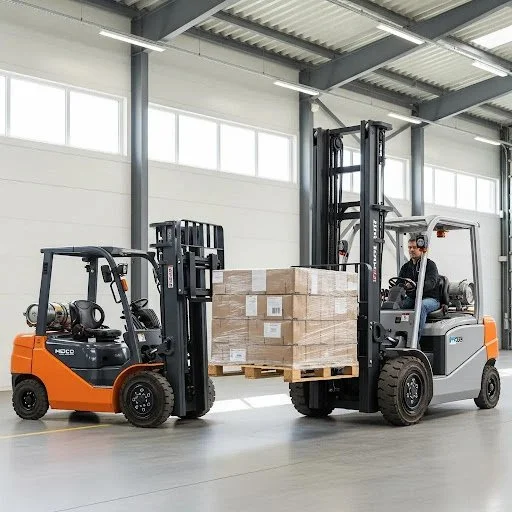
Written By: Darko Choosing the right forklift rental option is crucial for businesses looking to optimise their material handling operations. This article delves into the key differences between electric and petrol forklifts, helping you understand which option best suits your business needs. With the growing emphasis on sustainability and efficiency, the choice between electric and petrol forklifts can significantly impact operational costs and environmental footprint. We will explore the operational mechanisms, benefits, and cost comparisons of both types of forklifts, providing a comprehensive guide to inform your decision-making process. What Are the Key Differences Between Electric and Petrol Forklifts? Understanding the fundamental differences between electric and petrol forklifts is essential for making an informed rental choice. Fuel Type and Operation: Electric forklifts operate using rechargeable batteries, while petrol forklifts rely on internal combustion engines fueled by petrol (gasoline) or sometimes LPG (liquefied petroleum gas). This distinction affects their operational environments and efficiency. Cost Implications: Electric forklifts generally have lower operating costs due to reduced fuel expenses and maintenance needs, whereas petrol forklifts may incur higher fuel and maintenance costs. Environmental Impact: Electric forklifts produce zero emissions at the point of use, making them suitable for indoor and environmentally conscious operations, while petrol forklifts emit greenhouse gases and are better suited for outdoor applications. How Do Electric Forklifts Operate and What Are Their Main Features? Electric forklifts utilise battery power to operate, providing a quiet and efficient solution for material handling. They are equipped with advanced battery technology that allows for several hours of operational use and varying charging times depending on the battery type and charger. Key features include regenerative braking, which helps extend battery life, and compact designs that enhance manoeuvrability in tight spaces. Their operational efficiency makes them ideal for indoor use, particularly in warehouses and distribution centres. What Defines Petrol Forklifts and Their Core Characteristics? Petrol forklifts are characterised by their powerful internal combustion engines, which provide high load capacities and quick refuelling capabilities. They are designed for heavy-duty applications, making them suitable for outdoor environments such as construction sites and large warehouses. Key characteristics include robust performance metrics, fuel efficiency relative to their class, and versatility in various operational conditions. Their ability to operate continuously without the need for recharging makes them a preferred choice for industries requiring constant uptime. What Are the Benefits of Electric Forklift Rental for Your Business? Renting electric forklifts offers several advantages that can enhance your business operations. Cost Savings: Electric forklifts typically have lower operating costs due to reduced fuel expenses and less frequent maintenance requirements. Environmental Benefits: With zero emissions at the point of use, electric forklifts contribute to a cleaner working environment and align with sustainability goals. Operational Flexibility: Their quiet operation allows for use in noise-sensitive areas, making them ideal for indoor applications. Why Is Electric Forklift Hire Ideal for Indoor and Eco-Friendly Operations? Electric forklifts are particularly well-suited for indoor operations due to their zero-emission capabilities and reduced noise levels. This makes them an excellent choice for warehouses and retail environments where air quality and noise pollution are concerns. Additionally, their compact design allows for efficient navigation in tight spaces, enhancing productivity in confined areas. How Do Electric Forklifts Reduce Operating Costs and Maintenance Needs? Electric forklifts can significantly lower operating costs through their energy efficiency and reduced maintenance needs. With fewer moving parts compared to petrol forklifts, electric models require less frequent servicing, leading to lower maintenance expenses. Furthermore, the cost of electricity is generally lower than petrol prices, contributing to overall savings in operational budgets. Research highlights how advanced battery technologies, such as hybrid battery-supercapacitor systems, can further enhance the economic benefits and lifespan of electric forklifts. Electric Forklift Cost Savings: Hybrid Battery Benefits The effective technical and economical benefits of this EC integration are theoretically and experimentally evaluated by means of a conventional electric forklift. The performance of the modified electric forklift is simulated with already developed vehicle and component models and validated with experimental data. Simulations and electrical tests confirm the functional relationship, expressed in exponential form, between battery lifetime and peak current and demonstrate the technical and economical potentialities of the use of these hybrid configurations, such as the increased efficiency and the prolonged battery life (more than doubling the life of the battery without EC), due to the reduced battery operating stress, and an economical saving (about 30 %), able to compensate initial extra-costs for vehicle modification and battery replacement. Hybrid battery-supercapacitor storage for an electric forklift: a life-cycle cost assessment, A Genovese, 2014 What Are the Advantages of Petrol Forklift Rental in Industrial Applications? Petrol forklifts offer distinct advantages in industrial settings, particularly where heavy-duty performance is required. Heavy-Duty Performance: Petrol forklifts are designed to handle substantial loads, making them ideal for demanding industrial applications. Quick Refuelling: The ability to refuel quickly allows for minimal downtime, ensuring continuous operations in busy environments. Versatility in Outdoor Conditions: Petrol forklifts excel in outdoor applications, providing the power and flexibility needed for various tasks. When Should You Choose Petrol Forklifts for Heavy-Duty and Outdoor Use? Petrol forklifts are the preferred choice for heavy-duty tasks, particularly in construction and logistics operations. Their robust engines provide the necessary power to lift and transport heavy materials efficiently. Additionally, they are well-suited for outdoor environments where terrain and weather conditions may pose challenges for electric models. How Do Petrol Forklifts Offer Power and Flexibility for Continuous Operations? The power of petrol forklifts allows them to operate continuously without the need for recharging, making them ideal for environments that require constant material handling. Their high load capacity and adaptability to various tasks ensure that they can meet the demands of busy industrial operations, providing the flexibility needed to handle diverse workloads. How Do Electric and Petrol Forklift Rental Costs Compare in Australia? When considering forklift rental options, understanding the cost implications of electric versus petrol forklifts is crucial for budgeting. What Are the Upfront and Running Costs of Electric Forklift Hire? Electric forklift rentals typically involve
Affordable Forklift Servicing in Sydney: Boost Safety and Efficiency with Expert Maintenance
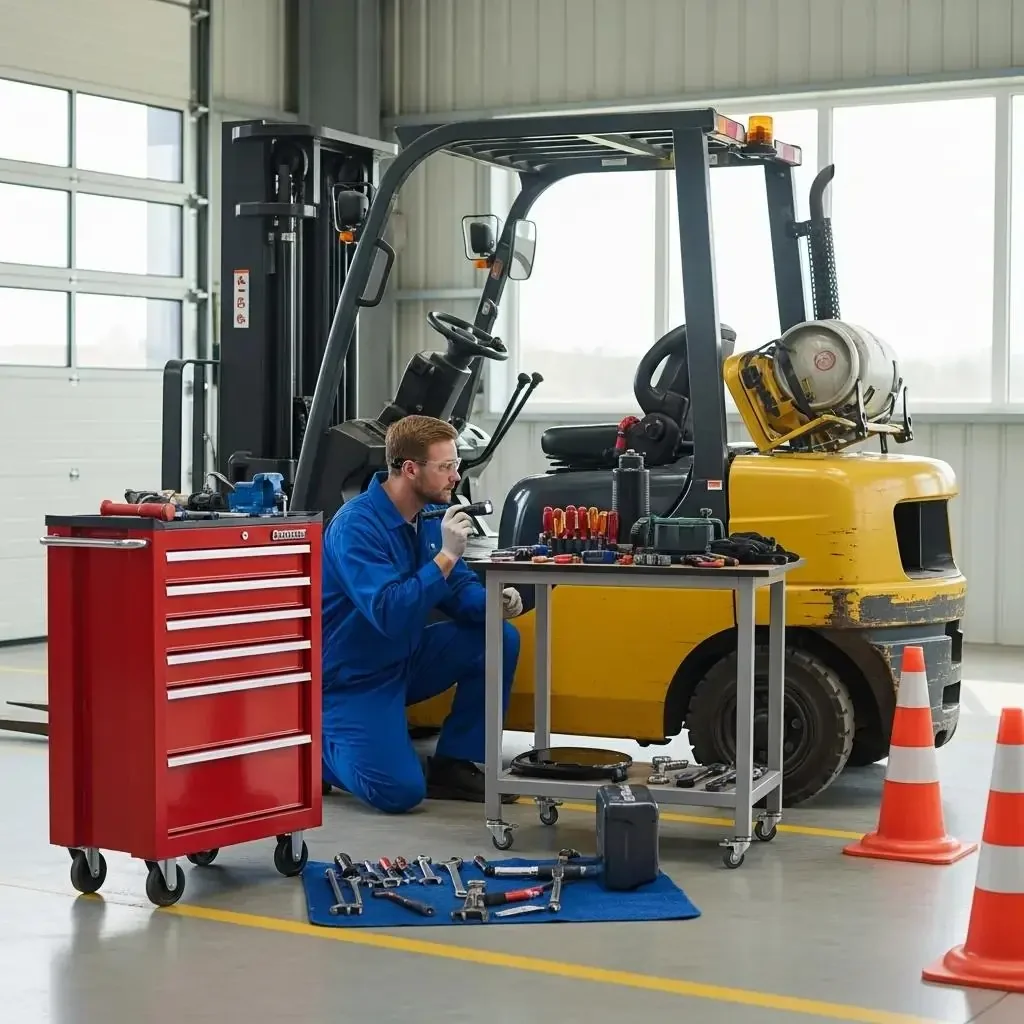
Written By: Darko Regular forklift servicing is crucial for maintaining safety and efficiency in industrial operations. This article explores the importance of affordable forklift servicing, detailing how it enhances safety, reduces downtime, and ultimately saves costs. With the right maintenance practices, businesses in Sydney can ensure their equipment operates at peak performance, minimising the risk of accidents and operational disruptions. We will delve into the essential aspects of forklift servicing, including preventative maintenance, typical costs, specialised servicing for different forklift types, emergency repair services, and compliance with Australian safety regulations. By understanding these elements, businesses can make informed decisions about their forklift maintenance strategies. Why Is Regular Forklift Servicing Essential for Safety and Efficiency? Regular forklift servicing is vital for ensuring the safety and efficiency of operations. It involves systematic checks and maintenance to prevent mechanical failures that could lead to accidents. By adhering to a scheduled maintenance plan, businesses can significantly reduce the risk of equipment breakdowns, which can disrupt operations and pose safety hazards. Moreover, regular servicing helps in identifying potential issues before they escalate, ensuring that forklifts remain compliant with Australian safety regulations. How Does Preventative Maintenance Reduce Downtime and Repair Costs? Preventative maintenance is a proactive approach that involves regular inspections and servicing of forklifts to prevent unexpected breakdowns. This strategy not only minimises downtime but also reduces repair costs significantly. For instance, routine checks can identify wear and tear on critical components, allowing for timely replacements before they fail. Common maintenance tasks include oil changes, brake inspections, and tyre checks, which collectively contribute to the longevity of the equipment. By investing in preventative maintenance, businesses can save on costly emergency repairs and ensure continuous operation. What Safety Benefits Result from Scheduled Forklift Servicing? Scheduled forklift servicing provides numerous safety benefits that are essential for any workplace. Regular maintenance ensures that all safety features, such as brakes, lights, and alarms, are functioning correctly, thereby reducing the likelihood of accidents. While specific statistics vary, companies that adhere to a strict maintenance schedule generally experience fewer workplace injuries related to forklift operations. Additionally, routine servicing helps in maintaining compliance with Australian Work Health and Safety (WHS) regulations, which is crucial for avoiding legal repercussions and ensuring a safe working environment. What Are the Typical Costs and Contracts for Forklift Servicing in Sydney? Understanding the costs associated with forklift servicing is essential for budgeting and planning. The expenses can vary based on the type of service required, the frequency of maintenance, and the specific contracts offered by service providers in Sydney. Typically, businesses can expect to pay for both routine maintenance and any necessary repairs, which can be bundled into service contracts for cost efficiency. How Is Forklift Maintenance Cost Determined? The cost of forklift maintenance is determined by several factors, including the type of forklift, the complexity of the service required, and the service provider’s pricing structure. On average, businesses may spend between AUD 100 to AUD 300 per service, depending on the extent of the maintenance needed. Factors influencing these costs include the age of the forklift, its usage frequency, and the specific parts that may need replacement. Understanding these components can help businesses make informed decisions regarding their maintenance budgets. A deeper understanding of the true drivers behind forklift operating expenses is crucial for optimising maintenance strategies and overall fleet efficiency. Optimise Forklift Costs, Maintenance & Efficiency Inflated costs are usually incurred due to the lack of knowledge or little insight into the true drivers of forklift operating expenses, maintenance, life cycle and efficient utilisation. A comprehensive study on all abovementioned aspects affecting forklifts would prove beneficial in the long run for any business that utilises such a fleet. Study on efficient forklift utilisation, cost & life cycle analysis, 2013 What Are the Advantages of Forklift Service Contracts? Forklift service contracts offer several advantages that can lead to significant cost savings and operational efficiency. These contracts typically cover routine maintenance and emergency repairs, providing businesses with peace of mind. By entering into a service contract, companies can benefit from predictable costs, as they will know in advance what their maintenance expenses will be. Additionally, service contracts often include priority service, ensuring that any issues are addressed promptly, which minimises downtime and keeps operations running smoothly. Which Forklift Types Require Specialised Servicing and Repairs? Different types of forklifts have unique servicing needs that require specialised knowledge and skills. Understanding these requirements is crucial for ensuring that each forklift type operates efficiently and safely. How Are Electric Forklifts Maintained Differently? Electric forklifts require specific maintenance practices that differ from their diesel or gas counterparts. Key maintenance tasks include regular battery checks, ensuring proper charging cycles, and inspecting electrical components for wear. Battery maintenance is particularly critical, as it directly impacts the forklift’s performance and lifespan. Proper care can prevent costly replacements and ensure that electric forklifts operate efficiently, making them a popular choice for indoor operations. What Are Key Considerations for Diesel and Gas Forklift Repairs? Diesel and gas forklifts have distinct servicing requirements that focus on engine performance and fuel efficiency. Regular checks on fuel systems, exhaust components, and engine oil levels are essential to maintain optimal performance. Additionally, these forklifts may require more frequent servicing due to the higher wear and tear associated with combustion engines. Understanding these considerations helps businesses ensure that their diesel and gas forklifts remain reliable and compliant with environmental regulations. How Do Emergency Forklift Repair Services Minimise Operational Disruptions? Emergency forklift repair services play a crucial role in minimising operational disruptions caused by unexpected breakdowns. Quick response times and efficient repair processes are essential for keeping businesses running smoothly. What Is the Typical Response Time for Emergency Repairs? The typical response time for emergency forklift repairs can vary based on the service provider and the nature of the issue. However, many providers aim to respond within 24 hours to ensure minimal downtime. Factors affecting response times include the availability of parts and the technician’s proximity to the site. Businesses that
Cost-Effective Forklift Hire Options for Your Business in Wollongong
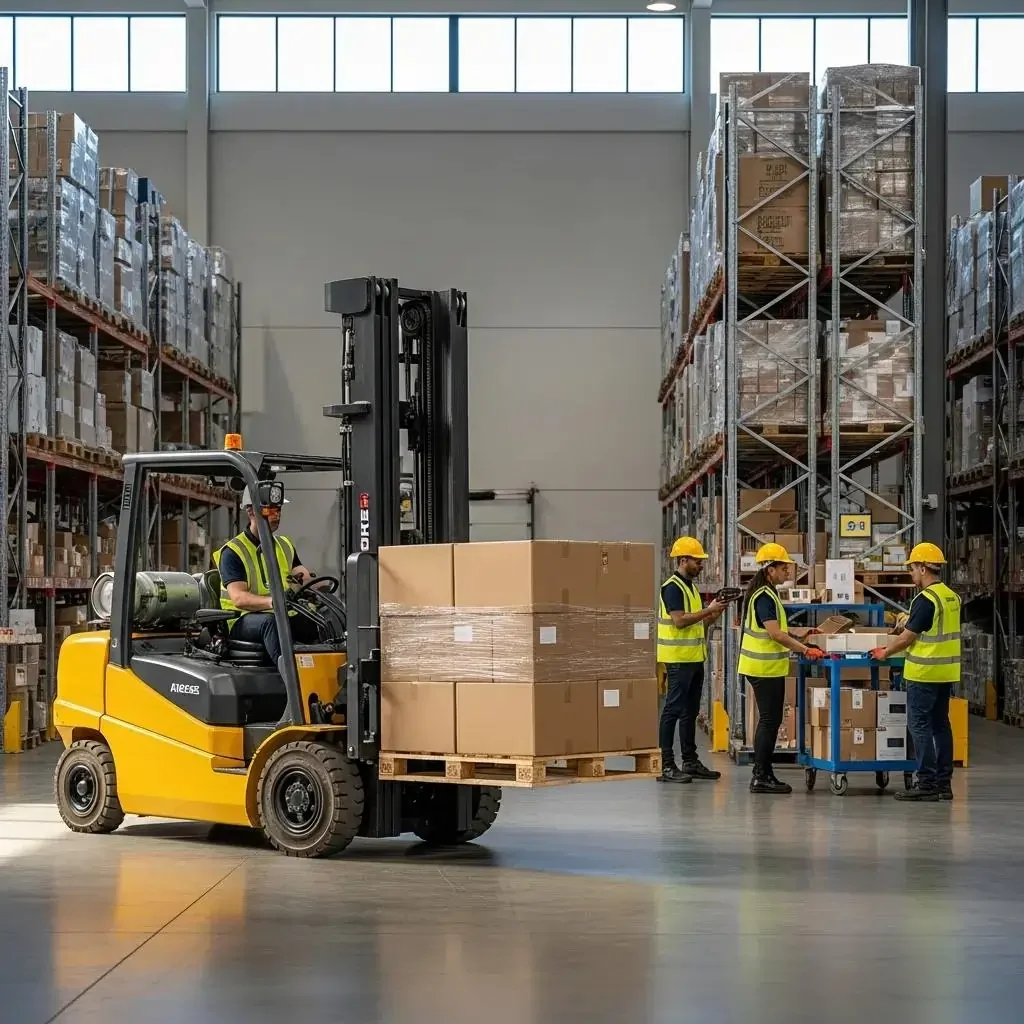
Written By: Darko In the competitive landscape of material handling, businesses often seek cost-effective solutions to optimise their operations. Forklift hire presents a viable option for companies looking to manage their logistics without the hefty investment of purchasing equipment. This article explores the various benefits of forklift hire, the types of forklifts available, and how Wollongong Forklift can assist in providing tailored rental solutions. Many businesses face challenges in balancing operational efficiency with budget constraints, and understanding the advantages of forklift hire can lead to significant cost savings and flexibility. We will delve into the benefits of forklift hire, the types available in Wollongong, the comparison between short-term and long-term rentals, factors influencing hire rates, and why Wollongong Forklift is a preferred choice for many. What Are the Benefits of Forklift Hire for Your Business? Forklift hire offers numerous advantages that can significantly enhance operational efficiency and reduce costs. By opting for rental services, businesses can avoid the substantial upfront capital required for purchasing forklifts, allowing them to allocate resources more effectively. Additionally, hiring forklifts provides flexibility in rental terms, enabling companies to adjust their equipment needs based on seasonal demands or specific projects. Access to modern and well-maintained equipment is another key benefit, ensuring that businesses can operate with the latest technology without the burden of maintenance costs. Wollongong Forklift specialises in providing flexible forklift rental options tailored to meet the unique needs of businesses in the Illawarra region. Their services include both short-term and long-term hire, allowing companies to choose the best fit for their operational requirements. How Does Forklift Rental Save Capital and Reduce Maintenance Costs? Renting forklifts eliminates the need for significant upfront investment, which can be a financial burden for many businesses. Instead of purchasing equipment, companies can allocate their capital towards other critical areas of their operations. Furthermore, rental agreements often include maintenance services, meaning businesses do not have to worry about the costs associated with repairs and upkeep. This arrangement not only saves money but also ensures that the equipment is always in optimal working condition, reducing downtime and enhancing productivity. This approach to managing resources aligns with broader logistical strategies focused on optimising vehicle allocation and minimising operational expenses. Real-time Vehicle Hiring for Cost-Optimised Logistics At the request of the site managers, the fleet manager allocates vehicles to be hired by the site managers. Next, within these allocations, each site manager issues transportation jobs and assigns these jobs to the allocated vehicles. The objective of the fleet manager is to avoid unpaid empty driving and to keep the size of its fleet just large enough to serve the demand for vehicles. The objective of the site managers is to minimise the operational costs. Real-time hiring of vehicles for container transport, 2006 Why Is Flexibility Important in Forklift Hire? Flexibility in forklift hire is crucial for businesses that experience fluctuating demand. Seasonal peaks or project-based work can require varying levels of equipment, and rental services allow companies to scale their operations accordingly. This adaptability ensures that businesses can meet their logistical needs without the long-term commitment of purchasing equipment. Wollongong Forklift offers tailored rental agreements that cater to both short-term and long-term needs, providing businesses with the flexibility to adjust their equipment usage as required. Which Types of Forklifts Are Available for Hire in Wollongong? Wollongong Forklift provides a comprehensive range of forklifts suitable for various applications. Understanding the types of forklifts available can help businesses make informed decisions based on their specific operational needs. Electric Forklifts: Ideal for indoor use, electric forklifts are known for their low emissions and quiet operation, making them suitable for warehouses and retail environments. Diesel and LPG Forklifts: These are preferred for heavy-duty tasks and outdoor operations, offering the power needed for lifting and transporting heavy loads. Telehandlers and Pallet Jacks: For specialised tasks, telehandlers provide extended reach and versatility, while pallet jacks are essential for moving pallets in tight spaces. What Are the Advantages of Electric Forklifts for Indoor Use? Electric forklifts are particularly advantageous for indoor operations due to their low emissions and quiet performance. This makes them suitable for environments where air quality is a concern, such as food storage or retail spaces. Additionally, electric forklifts require less maintenance compared to their gas or diesel counterparts, further reducing operational costs. Their compact design also allows for manoeuvrability in confined spaces, making them an excellent choice for warehouses. When Should You Choose Diesel or LPG Forklifts for Heavy-Duty Tasks? Diesel and LPG forklifts are ideal for heavy-duty tasks, especially in outdoor settings. They provide the necessary power and durability to handle substantial loads and rough terrain. Businesses that require forklifts for construction sites or large outdoor areas will benefit from the robust performance of these machines. However, it is essential to consider the cost implications, as diesel and LPG forklifts may have higher operational costs compared to electric models. How Do Short-Term and Long-Term Forklift Rental Options Compare? When considering forklift hire, businesses must evaluate the pros and cons of short-term versus long-term rental options. Each approach has its unique benefits and is suited for different operational needs. Short-Term Forklift Hire: This option is ideal for businesses with temporary projects or seasonal demands. It allows companies to meet immediate needs without the commitment of a long-term contract. Long-Term Forklift Hire: For businesses with consistent operational requirements, long-term hire provides stability and often comes with cost savings. This option allows companies to budget effectively while ensuring access to reliable equipment. What Are the Use Cases for Short-Term Forklift Hire in Wollongong? Short-term forklift hire is particularly beneficial for businesses engaged in seasonal work or specific projects that require additional equipment temporarily. For instance, companies may need extra forklifts during peak seasons, such as the holiday rush in retail or during large-scale construction projects. This flexibility allows businesses to scale their operations without incurring the costs associated with purchasing new equipment. How Does Long-Term Forklift Hire Support Business Growth and Budgeting? Long-term forklift hire can significantly
Discover the Best Types of Forklifts for Hire: Your Guide to Choosing the Right Forklift
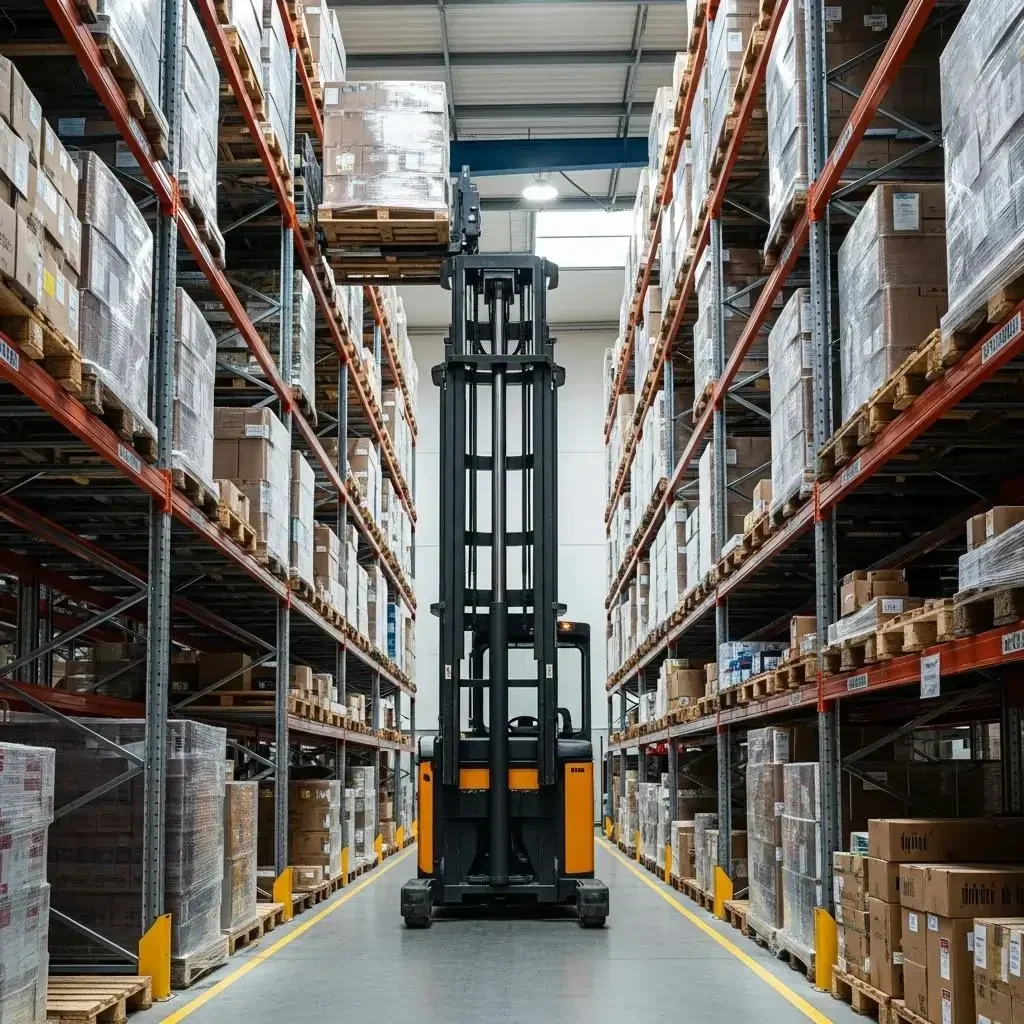
Written By: Darko Forklifts are essential pieces of equipment in various industries, facilitating the movement and handling of materials efficiently. Understanding the different types of forklifts available for hire can significantly impact operational efficiency and safety. This guide will help you navigate the various forklift options, their features, and ideal applications, ensuring you make an informed decision for your specific needs. Many businesses face challenges in selecting the right forklift, which can lead to inefficiencies and increased costs. By exploring the best types of forklifts for hire, you can find solutions that enhance productivity and safety in your operations. We will cover the main types of forklifts, their advantages, and key factors to consider when hiring, along with why Wollongong Forklift is your best choice for forklift hire in the Illawarra region. Indeed, forklifts are indispensable in modern logistics, serving as the backbone of material handling in warehouses and stores, with selection often dictated by specific operational demands. Forklift Types for Warehouse Efficiency & Safety The forklift truck is the workhorse of most stores and warehouses. They come in different lift capacities and lift heights. Consequently, different forklift trucks are used in different warehouses depending on the type of goods to be handled, the storage system and the available space. IMPROVING WAREHOUSE AND INVENTORY MANAGEMENT:: Operational Efficiency and Transport Safety, 2012 What Are the Main Types of Forklifts Available for Hire? When considering forklift hire, it’s crucial to understand the main types available, each designed for specific tasks and environments. The primary categories include electric forklifts, diesel forklifts, and LPG forklifts, each offering unique features and benefits tailored to different operational needs. Electric Forklifts: These forklifts are powered by batteries, making them ideal for indoor use due to their zero emissions at the point of use. They are known for their quiet operation and lower maintenance costs, making them a cost-effective choice for warehouses and distribution centres. Electric forklifts excel in environments where air quality is a concern, such as food processing or pharmaceutical facilities. Diesel and LPG Forklifts: Diesel forklifts are robust and designed for heavy-duty outdoor applications, providing higher load capacities and better performance on rough terrain. LPG forklifts offer versatility, suitable for both indoor and outdoor use, with lower emissions than diesel but still producing some emissions. These forklifts are perfect for construction sites and large outdoor warehouses where durability and power are essential. How Do Reach Trucks and Counterbalance Forklifts Optimise Warehouse Operations? Reach trucks and counterbalance forklifts play a vital role in enhancing warehouse efficiency. They are designed to navigate tight spaces and handle various lifting tasks, making them indispensable in modern warehousing. Reach Truck Hire: Benefits for Narrow Aisle Efficiency Reach trucks are specifically designed for narrow aisle operations, allowing for increased storage capacity by utilising vertical space. Their unique design enables them to extend their forks to reach high shelves, making them ideal for warehouses with limited floor space. This efficiency leads to improved manoeuvrability and significant cost savings in storage solutions. Counterbalance Forklift Rental: Versatile Lifting Solutions Counterbalance forklifts are versatile and can operate in various environments, from warehouses to construction sites. They are equipped with a weight at the rear, allowing them to lift heavy loads without tipping over. Their flexibility makes them suitable for different terrains and applications, providing ease of use and adaptability in various operational settings. What Are the Advantages of Telehandler Hire for Construction and Agriculture? Telehandlers are specialised forklifts that combine the features of a crane and a forklift, offering unique advantages in construction and agricultural settings. Their versatility makes them a valuable asset for various lifting tasks. Telehandler Capabilities and Applications Telehandlers are equipped with extendable arms that can reach heights and distances that standard forklifts cannot. This capability allows them to lift heavy materials to elevated areas, making them ideal for construction sites where materials need to be placed at height. Additionally, telehandlers can be fitted with various attachments, such as buckets and forks, enhancing their functionality across different tasks. Choosing the Right Telehandler for Your Project When selecting a telehandler, consider factors such as load capacity, lift height, and terrain suitability. Understanding your project’s specific requirements will help you choose the right model that meets your operational needs effectively. This ensures that you maximise efficiency and safety on the job site. How Can Walkie Stackers and Pallet Trucks Improve Material Handling? Walkie stackers and pallet trucks are essential tools for efficient material handling, particularly in indoor environments. They provide cost-effective solutions for moving and stacking goods with ease. Walkie Stacker Hire: Cost-Effective Indoor Handling Walkie stackers are designed for indoor use, allowing operators to move pallets and goods efficiently within warehouses. Their compact design enables them to navigate tight spaces, making them ideal for small to medium-sized operations. By utilising walkie stackers, businesses can improve their material handling processes while reducing labour costs. Pallet Truck Rental: Basic and Efficient Load Movement Pallet trucks are simple yet effective tools for moving pallets and heavy loads across short distances. They are easy to operate and require minimal training, making them a popular choice for many businesses. Renting pallet trucks can provide a cost-effective solution for seasonal demands or temporary projects, ensuring that you have the right equipment when needed. What Factors Should You Consider When Choosing a Forklift for Hire? Selecting the right forklift for hire involves several critical factors that can impact your operational efficiency and safety. Understanding these factors will help you make an informed decision. The strategic selection of the most suitable forklift is a complex decision, crucial for optimising logistical processes and overall company efficiency. Forklift Selection for Warehouse Efficiency In real-time industrial practice, the issue of evaluating and selecting the most appropriate forklift involves a complex decision-making problem that should be formulated through an efficient analytical model. The forklift’s efficiency plays a very important role in the company. The forklifts are being used on a daily basis and no logistical processes could be done without them. Therefore, it has
Electric Forklift Rental Services: What You Need to Know for Wollongong Businesses
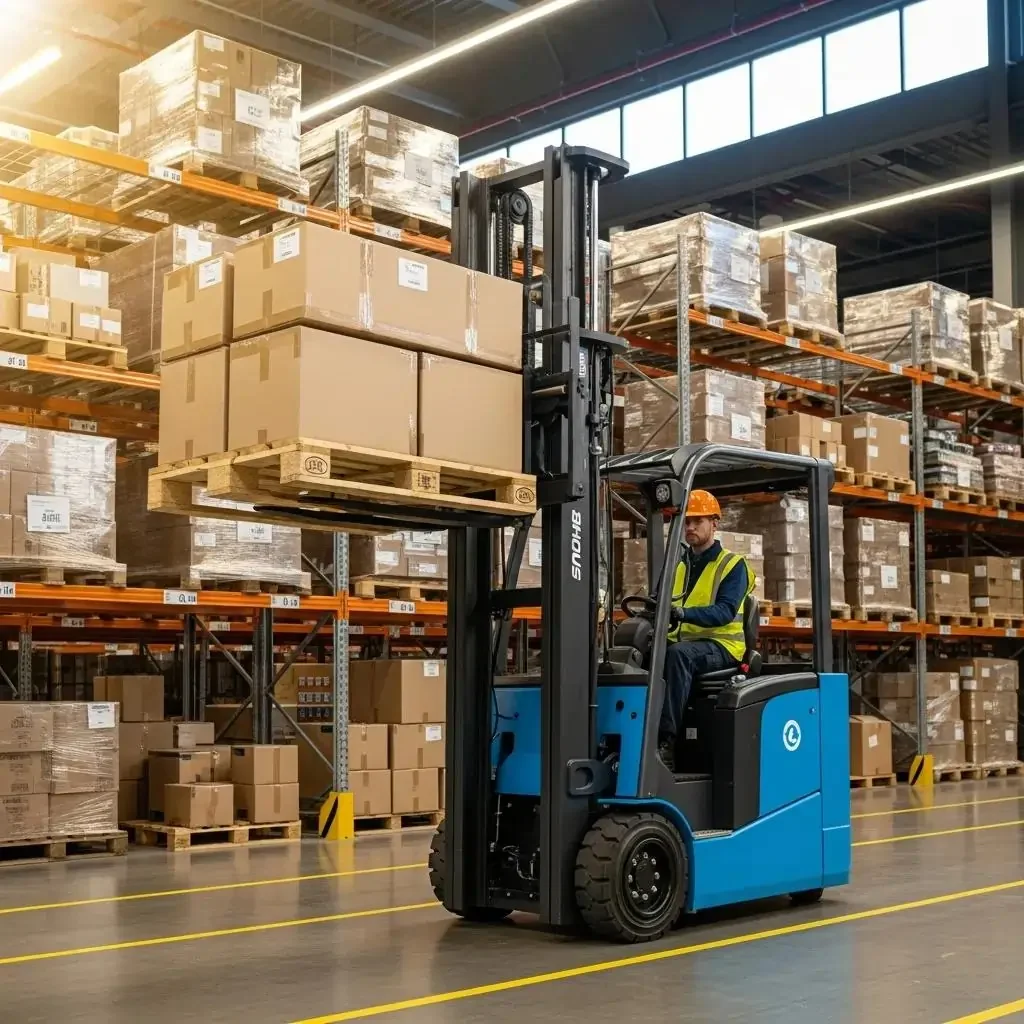
Written By: Darko Electric forklift rental services provide businesses with battery-powered material handling equipment on a flexible, pay-as-you-use basis, delivering efficient, zero-emission operation without the need for capital purchase. This guide explains what electric forklift hire entails, who benefits in the Wollongong and Illawarra region, and how to choose the right equipment and rental terms to match operational demands. Many warehouses, retailers, food processors and distributors face peaks in activity, indoor air-quality constraints and maintenance headaches; renting electric forklifts can address these issues by offering quieter machines, simplified servicing and scalable fleet options. The article maps practical topics including definitions and beneficiary industries, the primary benefits of electric hire, types of electric forklifts available locally, how pricing is structured, what rental contracts and support packages typically include, and why Wollongong Forklift is a local partner worth considering. Throughout, the content uses relevant keywords like electric forklift rental services, electric forklift hire Wollongong, battery electric forklift rental and electric reach truck hire Wollongong to help readers find and evaluate options for their material handling needs. What Are Electric Forklift Rental Services and Who Can Benefit? Electric forklift rental services supply businesses with battery-powered forklifts and associated equipment for short-term or long-term hire, typically including the vehicle, charging recommendations, and optional servicing. These rentals work by converting what would otherwise be a capital purchase into an operational expense, letting businesses scale capacity quickly and trial machines before committing to a purchase. The primary benefit is operational flexibility: firms can match fleet size to demand peaks, maintain uninterrupted workflow during repairs, and adopt quieter, zero-emission equipment suited to indoor environments. Understanding who benefits helps businesses prioritise the hire option that aligns with compliance, budget and productivity goals. Which industries in Wollongong commonly use electric forklift hire? Warehousing and distribution are among the largest local users of electric forklift hire because indoor racking, continuous shift work and frequent manoeuvring favour zero-emission traction and lower noise. Food and beverage operations, including cold storage and light processing, rely on electric forklifts to protect product quality and meet hygiene standards while avoiding combustion emissions inside enclosed spaces. Retail distribution centres and light manufacturing facilities also favour electric solutions for predictable running costs and reduced onsite maintenance; these sectors often need flexible capacity during seasonal peaks or promotional events. Each industry values different attributes: battery runtime for long shifts, compact turning for narrow aisles, or higher capacity for pallet stacking, so rental choices should reflect the specific operational profile. How does electric forklift rental support warehouse and logistics operations? Electric forklift hire supports warehouse efficiency by providing reliable, low-noise vehicles for loading, unloading, stacking and order picking, which reduces disturbances in mixed-use facilities and improves staff comfort. Rentals allow managers to scale fleets quickly for short-term surges, such as seasonal demand, without long procurement lead times, and they shift maintenance responsibilities to the provider when servicing is included. Using electric equipment also improves indoor air quality and reduces ventilation requirements compared with combustion alternatives, which helps compliance and working conditions. These operational advantages translate into measurable benefits: less unplanned downtime, clearer budgeting through predictable rental fees, and the ability to pilot new battery or telematics technology before buying. Wollongong Forklift is an independent Australian-owned forklift dealer and rental service in the Illawarra region that supplies electric forklifts for hire alongside petrol, diesel, telehandlers, walkie stackers and pallet trucks. They offer flexible short-term and long-term rental options, tailored solutions and local expertise to match machine selection to site needs; businesses can request a quote to explore rental plans and machine availability. This local capability helps Wollongong organisations access appropriate electric equipment quickly while relying on regional service support. What Are the Key Benefits of Renting Electric Forklifts? Renting electric forklifts delivers a combination of financial, operational and environmental benefits that suit modern warehouse and logistics operations. Financially, rental converts capital expenditure into operational costs, reducing upfront investment and helping companies preserve cash flow while gaining immediate access to capable equipment. Operationally, electric forklifts require less routine servicing than combustion engines, offer quieter performance and improve indoor air quality; providers often include maintenance in rental packages, further lowering onsite administrative burden. Environmentally, battery electric forklift rental supports zero-emission targets, cuts local pollution and aligns with sustainability policies that matter for suppliers and customers alike. Renting also gives businesses rapid access to newer battery technologies and telematics, enabling trials of lithium-ion options or fleet monitoring without long-term commitments. Indeed, the broader push for sustainability in logistics underscores the critical role of electric forklifts in achieving decarbonisation goals. Decarbonising Logistics: Electric Forklifts & Green Warehousing The increasing impacts of climate change and global warming, highlighted by recent widespread natural disasters, underscores the urgent need to shift to sustainable business models across all industries. Supply chains contribute to approximately 50% of global CO2 emissions, with logistics ranking among the three most impactful activities. This highlights the critical need to decarbonise the logistics sector through the electrification of freight transportation and the adoption of green warehousing practices. Optimising the economic and environmental performance of electric trucks and forklifts in the logistics sector: exploring the impact of opportunistic recharging …, 2023 Key benefits of electric forklift rental are practical and measurable:Cost flexibility: Avoids large capital purchases and spreads expense as operational rental fees.Maintenance simplicity: Provider-managed servicing reduces in-house maintenance workload and downtime.Indoor suitability: Zero tailpipe emissions and lower noise suit enclosed or sensitive environments.Acces to current technology: Rentals allow testing of battery types and telematics before procurement.Scalability: Easy fleet scaling for seasonal peaks or short-term projects. These benefits make renting attractive for businesses wanting immediate improvements in air quality, noise reduction and budget predictability. The next section explains how hiring specifically reduces maintenance and cost burdens in practice. How does electric forklift hire reduce costs and maintenance burdens? Electric forklift hire reduces costs by eliminating depreciation concerns and shifting servicing costs to the rental provider when maintenance is included, turning unpredictable repair bills into fixed monthly or weekly fees. Energy costs are typically lower
Forklift Rental Options Near You: Discover the Best Deals on Forklift Hire in Wollongong
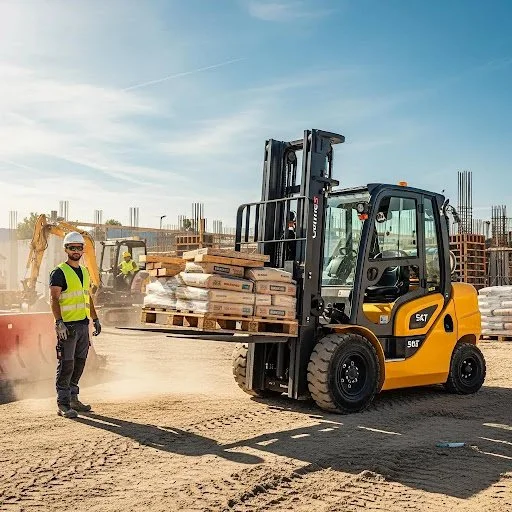
Written By: Darko Finding the right forklift hire in Wollongong means balancing cost, lift capacity and local support to keep projects on schedule and safe. This guide explains how forklift rental companies near me can save capital, provide flexible short-term and long-term options, and deliver specialised equipment for warehouses, construction sites and logistics operations. Readers will learn the benefits of renting versus buying, which forklift types suit different tasks, how rental terms shape hire costs, and how to compare quotes effectively for the Wollongong and Illawarra region. Practical checklists and comparison tables help you request accurate quotes, evaluate inclusions such as maintenance or operators, and decide whether short-term hire or long-term leasing is best for your operation. Where relevant, the article cites local supplier examples, such as Wollongong Forklift, to illustrate tailored rental fleets and flexible financing, details collected below in the supplier section for those seeking a local quote. What Are the Benefits of Renting a Forklift in Wollongong? Renting a forklift provides immediate access to appropriate material handling equipment without large capital expenditure, which improves cash flow and lets businesses scale capacity for seasonal peaks. The mechanism is simple: converting a capital purchase (CAPEX) into an operating expense (OPEX) avoids depreciation, ongoing insurance and long-term storage costs while delivering newer, well-maintained machines. Renting also reduces downtime risk because maintenance and breakdown cover are commonly included in hire contracts, so equipment reliability improves operational continuity. These advantages apply across local industries from warehousing to construction, and they position rental as a tactical choice for short projects or fleet top-ups. Indeed, industry experts often highlight how renting equipment can significantly reduce maintenance burdens and associated costs. Equipment Rental Benefits: Reduced Costs & Maintenance typically rents equipment from suppliers near the project. “We feel there are several benefits of renting, but for us the main reason is the reduced cost for maintenance,” says Clark. Renting equipment reduces costs and downtime for SCR retrofit., 2003 Wollongong Forklift is an example of a local independent dealer offering tailored rental solutions, short-term and long-term, so businesses can pair the right machine with competitive pricing and local support; see the dedicated supplier section below for more on those options. Understanding these benefits leads naturally to a closer look at how renting compares to buying in practical cost terms and which hire durations fit different use-cases. The main benefits of renting forklifts in Wollongong include: Lower upfront cost: Renting removes large capital outlays and preserves working capital for operations. Flexibility to scale: Hire lets you increase or decrease fleet size for projects or seasonal demand. Access to modern equipment: Rentals typically supply newer machines that improve safety and efficiency. Maintenance and support: Contracts often include servicing, reducing unplanned downtime. These benefits make rental particularly attractive for businesses facing fluctuating demand or limited storage, and the next section will quantify cost differences to help decide when to rent or buy. How Does Forklift Rental Save Costs Compared to Buying? Renting saves costs primarily by avoiding CAPEX, depreciation and long-term ownership expenses, converting purchase costs into predictable rental payments that can match project timelines. The mechanism of savings includes eliminating large initial purchase prices, reducing insurance premiums allocated per asset, and shifting repair bills to the rental provider when maintenance is included. For example, a short project requiring a 2–5 tonne forklift can often be covered by a daily or weekly hire rate that is cheaper than financing purchase plus maintenance for the same period. Local market conditions in Wollongong and the Illawarra affect availability and delivery costs, so calculating total cost of ownership versus total hire cost for typical project lengths is essential. Academic research further explores the strategic decision-making between purchasing and renting, often framing it within a product service system (PSS) to manage the entire lifecycle. Rent vs. Buy: Product Service System for Equipment Procurement The objective of this study is to construct a renting system in a reverse logistics environment on the basis of the PSS theory: this system includes the complete management of product examination, maintenance, upgrading, products recycling, and final waste disposal. Due to the different procurement processes of PSS, the following two product operations are analysed: (1) procurement of new products and (2) rental of products. Simulation of purchase or rental decision-making based on product service system, TC Kuo, 2011 To decide, compare a three- to six-month rental estimate against financing repayments, expected repair/inspection costs and resale value. This financial comparison highlights when renting is preferable, short projects, seasonal peaks, uncertain demand, and sets up the next discussion on choosing between short-term and long-term hire options. What Flexibility Do Short-Term and Long-Term Hires Offer? Short-term hire offers rapid availability, minimal commitment and ideal flexibility for one-off projects, emergency replacements or seasonal surges, while long-term leasing lowers periodic cost and supports predictable operations with maintenance often bundled. The difference in mechanism is contract duration: short-term contracts prioritise availability and speed, whereas long-term leases spread costs over months or years and typically include servicing, parts and scheduled inspections. For example, a retail fit-out lasting a few weeks benefits from day/week hire, whereas logistics operations that need fleet stability will favour monthly or multi-year leasing to secure machines and maintenance coverage. Decision criteria include project length, cash flow, required uptime and whether you need replacement units included; assessing these leads into practical guidance on contract terms and inclusions to watch for when comparing quote Which Types of Forklifts Are Available for Rent Near You? The local rental market typically provides a range of material handling vehicles to match site conditions and tasks, from electric counterbalance forklifts for indoor warehouses to telehandlers for construction sites. Each forklift type fits specific environments because of fuel type, lift capacity and attachment options, and choosing correctly reduces operating risk while improving efficiency. Below is a concise list of common rental types and one-line use-cases to support fast decision-making when searching for “forklift hire Wollongong” or “telehandler rental Wollongong.” Common forklift types available for rent include: Electric forklift
Explore Affordable Heavy Equipment Forklift Rentals in Wollongong for Local Businesses
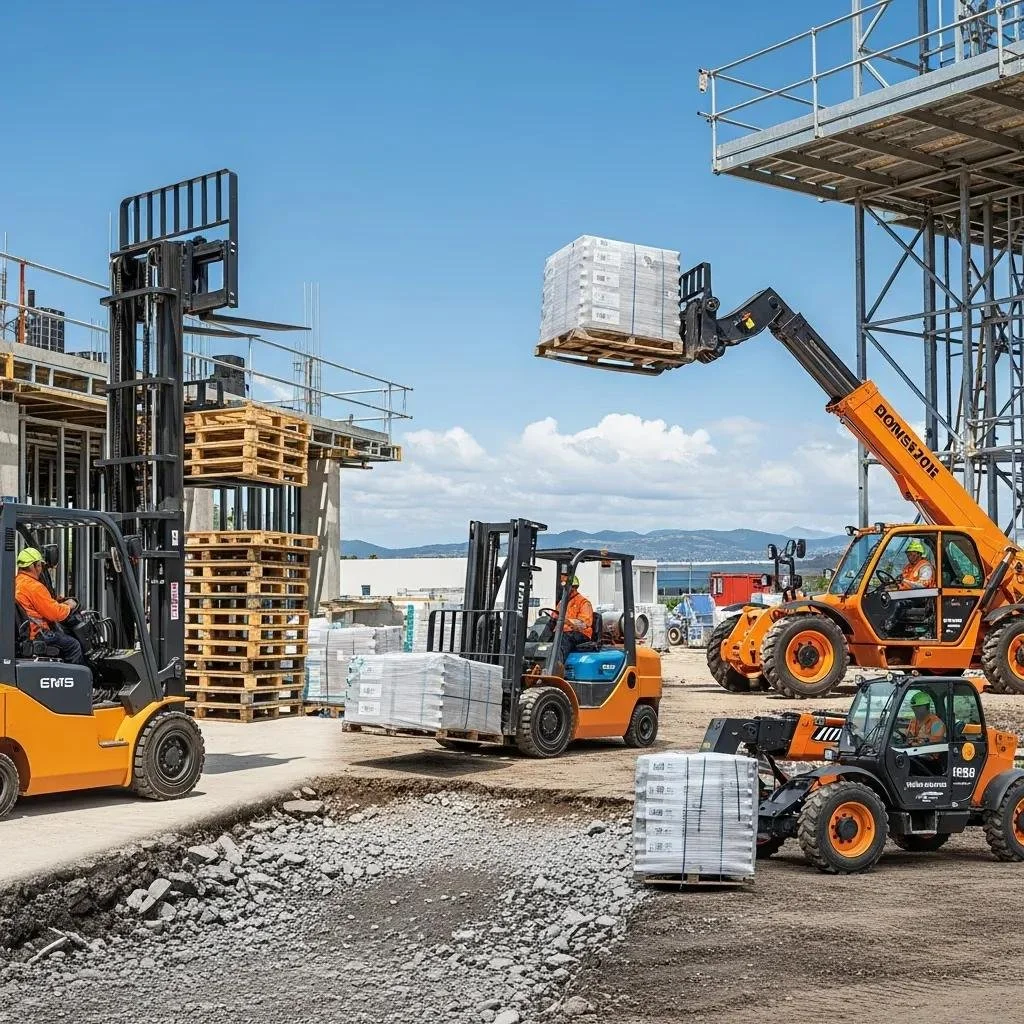
Written By: Darko Finding affordable heavy equipment and forklift rental in Wollongong requires clear comparisons, realistic pricing expectations, and a practical plan for site logistics. This article explains the primary rental options, from electric forklifts for indoor warehouses to rough-terrain telehandlers for construction sites, and shows how to match machine capabilities to your operational needs while keeping costs predictable. Local businesses will learn the factors that drive rental rates, the advantages of short-term versus long-term hire, and which industries benefit most from different machine classes, helping managers choose the right lift for safety and productivity. Practical steps to request a quote and what typical rental agreements include are laid out so you can move from planning to hire quickly and confidently. Throughout, the focus is on heavy equipment and forklift hire in Wollongong and the Illawarra, using current market context and operational guidance to reduce selection risk and control costs. What Types of Forklifts and Heavy Equipment Can You Rent in Wollongong? Equipment hire for material handling covers several machine classes designed to meet different lift capacities, site conditions and regulatory needs. Understanding each type’s core capability, fuel or power source, and ideal application reduces downtime and improves operator safety, which in turn lowers total project cost. Below are the main categories available for hire in Wollongong and short notes on suitability to guide selection; the following subsection then details fuel variants and the secondary categories used for site access and internal handling. Choosing the right machine begins by matching lift capacity, mast type and mobility to the task, which leads naturally to model and fuel-type decisions. Available equipment types and quick suitability notes: Electric forklifts: Best for indoor warehousing and areas with low-emission requirements. Diesel forklifts: Suited to outdoor, heavy-duty lifting and rough surfaces. LPG (liquid petroleum gas) forklifts: Flexible indoor/outdoor option with quick refuel times. Telehandlers: Ideal for lifted loads at a distance on construction and agricultural sites. Scissor lifts: Provide safe vertical access for maintenance, trades and installation work. Pallet trucks and walkie stackers: Efficient for internal pallet movement and order picking. These categories provide a starting point for assessing lift capacity and operational constraints, and the next subsection explains the primary fuel and power variants to help you choose the best fit. Which forklift models are available for hire: electric, diesel, and LPG options? Electric forklifts are the preferred choice for indoor operations because they produce no local exhaust emissions, have lower noise levels and typically require less day-to-day mechanical maintenance than combustion engines. This makes them ideal for warehouses, cold stores and retail backrooms where ventilation is limited and operator comfort matters, and modern electric units often match diesel capacity up to medium-duty ranges. Diesel forklifts deliver higher torque and sustained power for outdoor work, heavy lifting and rough-terrain applications, making them appropriate for construction yards and bulk handling; they require adequate ventilation and are best when used outdoors. LPG forklifts present a compromise: they deliver combustion power with lower particulate emissions and faster refueling than diesel, so facilities that mix indoor and outdoor operations sometimes prefer LPG for operational flexibility. These fuel and power choices determine the likely maintenance cadence and on-site support requirements, which in turn affects rental terms and cost estimates, so assessing site constraints leads naturally to comparing rental pricing structures. What other heavy equipment rentals do we offer: telehandlers, scissor lifts, and pallet trucks? Telehandlers extend reach and handling versatility by combining a lifting carriage with boom reach, enabling loaders to place pallets or materials at height or over obstacles on construction and farming sites; they are chosen when reach and terrain adaptability matter. Scissor lifts provide a stable, vertical platform for tradespeople performing electrical, HVAC or façade work and are rated by platform height and safe working load; they reduce the need for scaffolding when short-duration elevation access is required. Pallet trucks and walkie stackers streamline internal material flow by enabling safe, quick pallet movement and order fulfilment in confined aisles, improving throughput in warehouses and retail environments. Selecting from these categories depends on task duration, working height, site access and permitted load, evaluating those parameters narrows the options and informs a tailored rental enquiry to secure the right machine for your schedule and site conditions. This equipment comparison clarifies capacity and environment fit, helping procurement teams shortlist machines before requesting detailed hire quotes from providers in the Wollongong area. How Does Wollongong Forklift Ensure Affordable and Flexible Rental Rates? Rental affordability depends on transparent pricing components, efficient logistics and flexibility in hire terms that match project timelines; these elements together reduce total cost of ownership for rented equipment. Key pricing drivers include the machine class, hire duration, delivery distance, required attachments and the level of maintenance or breakdown support bundled into the agreement. By structuring day, week and month options and offering tiered support, providers can reduce effective hourly costs for long projects while still accommodating short-term spikes in demand. The following bullets summarise typical pricing factors and a sample pricing table demonstrates illustrative duration-based ranges to set realistic client expectations. Academic studies further explore sophisticated frameworks for optimising rental equipment profit and performance, especially when faced with operational uncertainties and varying maintenance conditions. Optimising Rental Equipment Profit & Performance Under Uncertainty Most existing research on rental and leased equipment relies on idealised assumptions, often overlooking operational uncertainty and limited information sharing between owners and users. To address these limitations, this paper proposes a bi-objective fuzzy probabilistic framework aimed at optimising profit allocation between two echelons of a rental-based supply chain. The approach incorporates system stochastic fluctuations and introduces fuzzy parameters to more accurately reflect real-world uncertainties in maintenance and usage conditions. A sensitivity analysis is conducted to evaluate the influence of rental parameters on both echelon-level and overall supply chain performance. This framework offers a robust and practical decision support tool for rental systems under uncertainty. Decision-Making in Rental Manufacturing Equipment Under Imprecise Information Sharing: A Bi-objective Fuzzy Probability Combined Approach: M. Haoues et al., M
Affordable Forklift Hire Wollongong: Flexible Rental Solutions to Boost Your Business Efficiency
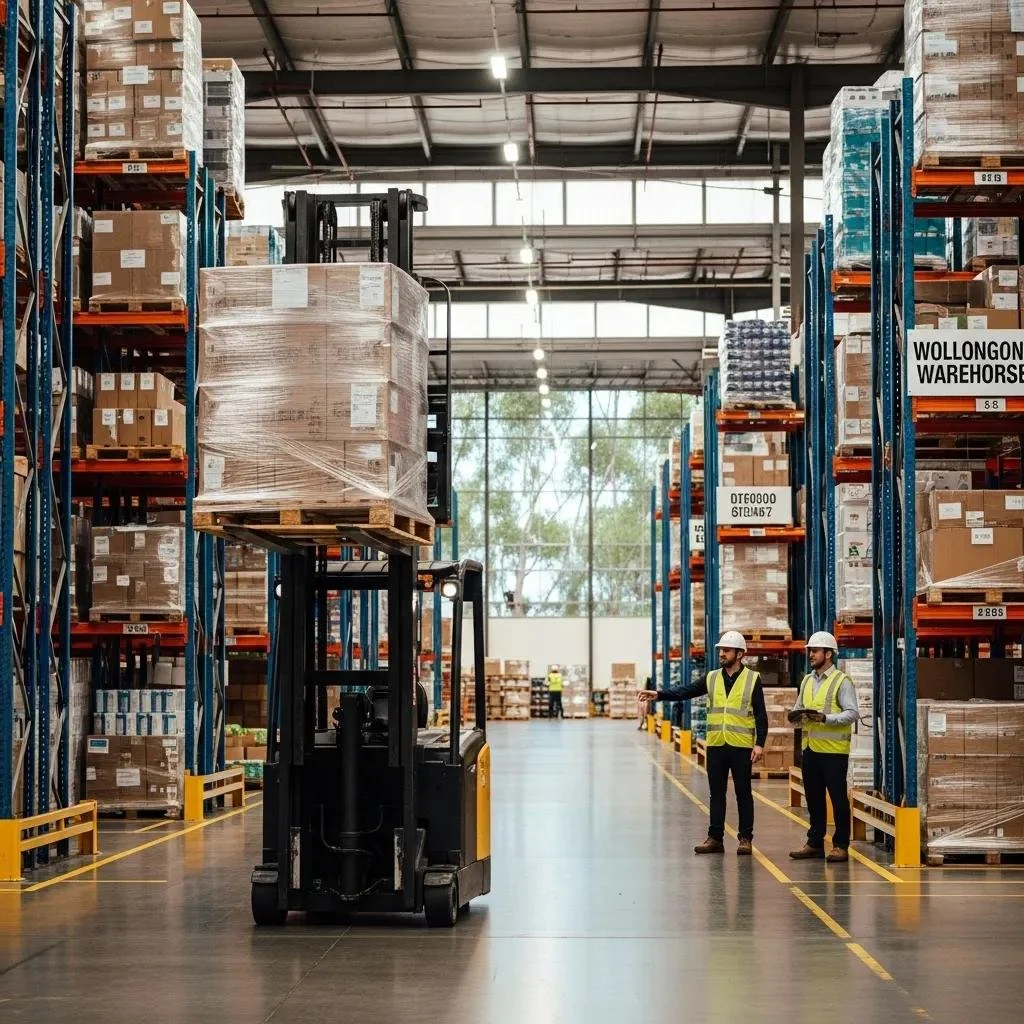
Written By : Darko Affordable forklift hire provides businesses with on-demand material handling capability without the capital burden of buying machinery, and it improves operational flexibility for seasonal peaks and project-based work. This article explains how hiring forklifts in Wollongong and the broader Illawarra region converts fixed capital expenditure into controllable operating costs, reduces downtime through included servicing, and lets teams match machine class to task requirements for improved safety and throughput. Readers will learn the benefits of hire versus purchase, the types of forklifts commonly available for hire, how rental rates are structured in Wollongong, and a practical decision framework for selecting the right hire option. Along the way, we include concise comparison tables, checklists and lists designed to surface the most relevant choices for warehouses, distribution centres and construction sites. Where useful, local examples reference Wollongong Forklift’s hire and support offerings as illustrative options so you can act on the guidance and request tailored quotes or service details. Hiring forklifts affordably matters because material handling choices directly affect productivity, safety and cashflow, and this guide provides clear steps businesses can follow to choose the best rental solution. The next section outlines the core benefits hiring delivers for Wollongong businesses and sets the stage for practical equipment and pricing comparisons. What Are the Benefits of Affordable Forklift Hire for Wollongong Businesses? Affordable forklift hire reduces upfront capital outlay while providing operational capacity that scales with demand, delivering immediate productivity improvements without long-term commitments. Hire works by shifting ownership responsibilities, such as routine maintenance, vehicle sourcing and replacement logistics, to the rental provider, which reduces the administrative burden on in-house teams and shortens time-to-operation for new projects. This approach yields measurable financial and operational benefits for businesses in Wollongong and the Illawarra, particularly where seasonal peaks, temporary projects or irregular workloads make ownership uneconomic. Below are the direct benefits businesses commonly experience when they choose affordable forklift hire. Reduced capital expenditure and preserved cashflow, enabling investment in core operations. Operational flexibility to scale fleet size up or down for seasonal or project needs. Included maintenance and rapid breakdown response to minimise downtime. Access to a wider selection of machine types and attachments without large purchases. Faster deployment and local support that keeps operations moving. Each of these benefits links to practical decisions, cost control, staffing alignment, and service expectations, that businesses must formalise in hire agreements, and the next subsection explains flexibility and cost mechanisms in more detail. How Does Forklift Hire Improve Business Flexibility and Cost-Effectiveness? Forklift hire improves flexibility by allowing businesses to match lifting capacity and uptime to current workloads rather than forecasted maximums, which avoids unused asset costs and depreciation. The mechanism is straightforward: rental agreements convert capital expenditure into operational expenditure, simplifying budgeting and preserving lines of credit for other investments. For example, a warehouse facing a three-month seasonal peak can increase fleet size for those months and reduce it afterwards, avoiding long-term storage and maintenance costs associated with ownership. Comparing hire versus buy on a simple cost/time axis shows hire reduces short-term cash outflow and operational risk while buy can be preferable only when utilisation is consistently high. Understanding this trade-off helps procurement teams choose the financial structure that supports growth without eroding working capital. This conversion of capital expenditure into operational expenditure is a key aspect of managing ongoing costs in industrial settings. Managing Ongoing Operating Costs in Industrial Operations A typical lease area had reserves of plus 50,000,000 tonnes to an ongoing operating cost which is distributed over the life. Management skills for the successful operations of mining and associated industries, with reference to marketing, investment and industrial relations, 1989 This flexibility also ties directly to maintenance responsibilities and the service levels you should expect from a reputable hire provider, which we outline next. What Maintenance and Support Services Are Included in Hire Agreements? Typical hire agreements include preventative maintenance schedules, breakdown response and access to spare parts, but coverage levels vary so clients should confirm service level agreements before signing. Preventative maintenance reduces the risk of unexpected failures and keeps machines compliant with safety checks, while breakdown response time targets, often stated in hours, determine how quickly your operations resume after an incident. Exclusions frequently include wear items or misuse damage, so ask for an itemised list of what’s included and what incurs additional charges. Verifying these terms in writing helps avoid surprise costs and ensures uptime targets match your operational needs, particularly during busy periods. Clear expectations about maintenance naturally lead into the kinds of machines you can hire and which types match different site conditions, which we cover next. Which Forklift Types Are Available for Hire in Wollongong? Forklift hire in Wollongong typically covers a range of material handling equipment so businesses can select machines that match site constraints and load characteristics. Core categories include electric forklifts for indoor environments, diesel and LPG forklifts for heavy-duty outdoor use, telehandlers for elevated reach, and compact walkie stackers and pallet trucks for short-distance moves. Each machine class serves a specific operational niche: electric models reduce emissions and noise indoors, diesel offers high torque for heavy loads outdoors, and telehandlers provide reach and stability on construction sites. Below is a comparison table to help match machine classes to common use-cases and capacities. This comparison highlights that selecting the right class depends on lift capacity, emissions constraints and site layout, and the next paragraph explains specific advantages of electric machines for indoor operations. Wollongong Forklift maintains a varied fleet including electric forklifts, diesel and LPG machines, telehandlers, walkie stackers and pallet trucks to match the types above and to support rapid hire requests throughout the Illawarra region. What Are the Advantages of Electric Forklift Hire for Indoor Operations? Electric forklifts provide emission-free operation, quieter running and generally lower day-to-day running costs due to fewer moving parts and reduced fuel dependency. These machines are particularly well suited to indoor warehouses, retail environments and food-handling facilities where air quality and noise regulations matter, and