Forklift Rental or Purchase in Wollongong: Which Option Best Supports Your Business Needs?
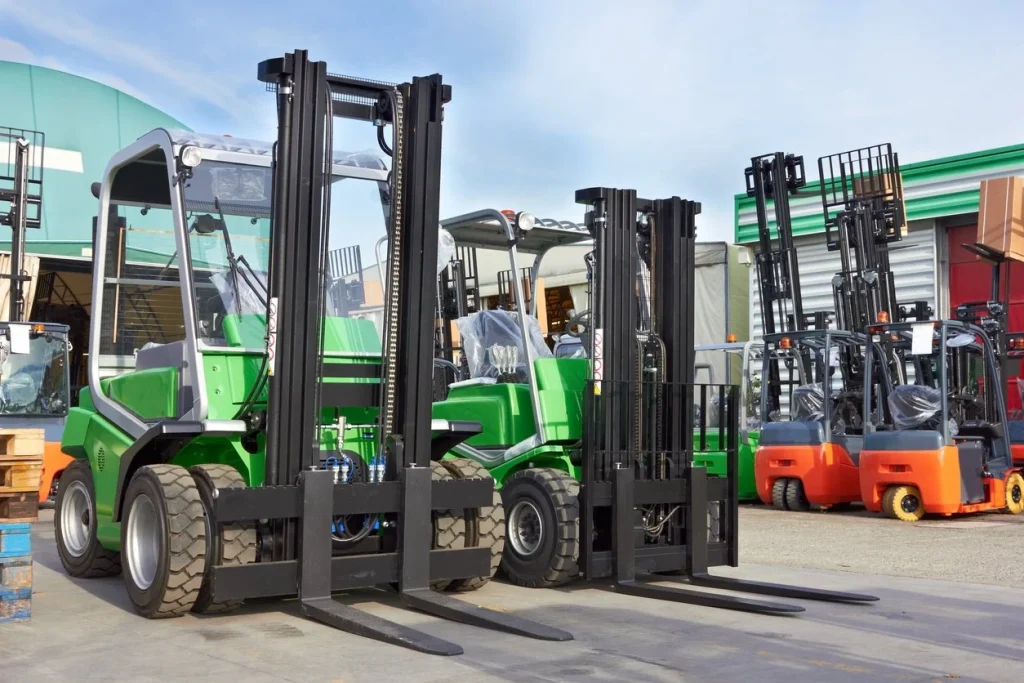
Written By : Darko Choosing whether to rent or buy a forklift is a strategic decision for Wollongong businesses that affects operational performance and financial planning. This article examines cost, flexibility, and maintenance responsibilities to help you compare options. It covers the benefits of rental, the investment case for purchase, local forklift types, and relevant financing and cost considerations. Comparison of Forklift Rental vs. Purchase in Wollongong Evaluate upfront and ongoing costs, operational flexibility, and maintenance obligations when deciding to rent or purchase. Rentals generally require lower initial expenditure and can deliver predictable operating costs, often with maintenance included. Purchasing is a long-term investment that builds asset value but carries higher initial outlays and ongoing upkeep. Understanding these differences helps align the choice with your operational needs and budget. Advantages of Forklift Rental: Renting a forklift provides practical benefits for businesses with variable demand and project-based requirements. Cost-Effectiveness: Renting eliminates the need for significant capital investment, allowing businesses to allocate funds to other operational areas. Flexibility in Rental Terms: Rental agreements can be tailored to meet specific project timelines, providing businesses with the ability to scale equipment needs as required. Included Maintenance Services: Many rental agreements cover maintenance, reducing the burden on businesses to manage upkeep and repairs. Local suppliers in Wollongong offer flexible rental agreements that can be customised to specific operational requirements. Review available forklift rental and hire options to identify the best fit for your projects. Disadvantages of Forklift Rental: While renting has benefits, businesses should consider potential drawbacks before committing to a rental agreement. Higher Long-Term Costs: Over time, renting may become more expensive than purchasing, especially for businesses that require forklifts for extended periods. Limited Customisation: Rental equipment may not meet specific operational requirements, limiting the ability to tailor the forklift to unique business needs. Dependency on Rental Provider: Businesses may face challenges if the rental provider does not have the desired equipment available when needed. Advantages of Forklift Purchase: Purchasing a forklift can suit businesses seeking a long-term equipment solution and predictable availability. Long-Term Investment: Owning a forklift builds equity and can be a valuable asset for the business. Immediate Access to Equipment: Purchased forklifts are always available for use, eliminating downtime associated with rental agreements. Potential Tax Benefits: Businesses may benefit from tax deductions related to depreciation and operational expenses associated with owned equipment. Local forklift suppliers provide financing plans to support the acquisition of new or used forklifts and to spread the cost over time. Disadvantages of Forklift Purchase: Ownership offers advantages but also introduces responsibilities that can affect cash flow and operating budgets. High Upfront Costs: The initial investment required to purchase a forklift can be significant, impacting cash flow. Maintenance Responsibilities: Owners are responsible for all maintenance costs, which can add up over time. Depreciation: Forklifts can depreciate, which may affect the overall return on investment. Accurately assessing total life-cycle costs and utilisation is essential to avoid unexpected expenses and to maintain efficient operations. What Are the Key Benefits of Forklift Rental in Wollongong? Forklift rental in Wollongong delivers several operational benefits that support business continuity and cost control: Cost-Effectiveness: Renting reduces upfront capital outlay, allowing businesses to invest in other areas. Flexibility: Rental options provide the ability to scale equipment needs based on project demands. Maintenance Responsibilities: Many rental agreements include maintenance, alleviating the burden on businesses. How Do Flexible Rental Terms Support Operational Efficiency? Flexible rental terms allow businesses to scale equipment to match project needs, enabling rapid response to demand without the capital burden of purchasing equipment outright. What Types of Forklifts Are Available for Hire Locally? Wollongong suppliers offer several forklift types for hire, including: Electric Forklifts: Ideal for indoor operations due to their low emissions and quiet operation. Diesel Forklifts: Best suited for heavy-duty outdoor tasks, providing robust power and durability. LPG Forklifts: Versatile options that can be used both indoors and outdoors, offering a balance of power and efficiency. How Do Forklift Financing and Purchase Options Compare? When comparing financing and purchase options, consider these factors: Upfront Costs for Purchasing: Purchasing requires a significant initial investment, which can impact cash flow. Financing Options Available: Various financing plans can help spread the cost of purchasing over time, making it more manageable. Long-Term Benefits of Ownership: Owning a forklift can provide long-term savings and asset value, while renting may incur higher costs over time. What Are the Advantages and Drawbacks of Buying vs Leasing? Assess the following when choosing between buying and leasing forklifts: Ownership and Control: Purchasing provides full ownership and control over the equipment. Flexibility of Leasing: Leasing offers flexibility and lower initial costs, but may limit customisation. Cost Implications: Long-term costs associated with leasing can exceed those of purchasing, depending on usage. What Are the Cost Considerations Between Renting and Buying Forklifts? Key cost considerations include: Initial Rental Costs: Renting typically involves lower upfront costs compared to purchasing. Long-Term Ownership Costs: Owning a forklift incurs ongoing maintenance and operational costs. Break-Even Analysis: Businesses should conduct a break-even analysis to determine the most cost-effective option based on their usage patterns. What Maintenance and Insurance Costs Should Businesses Anticipate? Businesses should plan for the following maintenance and insurance costs: Rental Agreements Often Include Maintenance: Many rental agreements cover maintenance, reducing unexpected expenses. Ownership Requires Budgeting for Maintenance: Owners must budget for regular maintenance and repairs, which can vary based on usage. Which Forklift Types and Operational Factors Influence Your Decision? Influential factors include: Operational Environment Considerations: Indoor versus outdoor use can dictate the type of forklift needed. Load Capacity Requirements: Businesses must assess their load capacity needs to select the appropriate forklift model. How Do Different Forklift Models Suit Various Business Needs? Model selection depends on operational context and cost factors: Electric vs. Diesel vs. LPG Forklifts: Each type offers distinct advantages depending on the operational context. Cost Implications of Different Models: Businesses should consider the total cost of ownership, including fuel and maintenance, when selecting a model. What Maintenance and Operational Factors Affect
Affordable Forklift Rental Options for Wollongong Construction: Comprehensive Guide to Hire and Rates
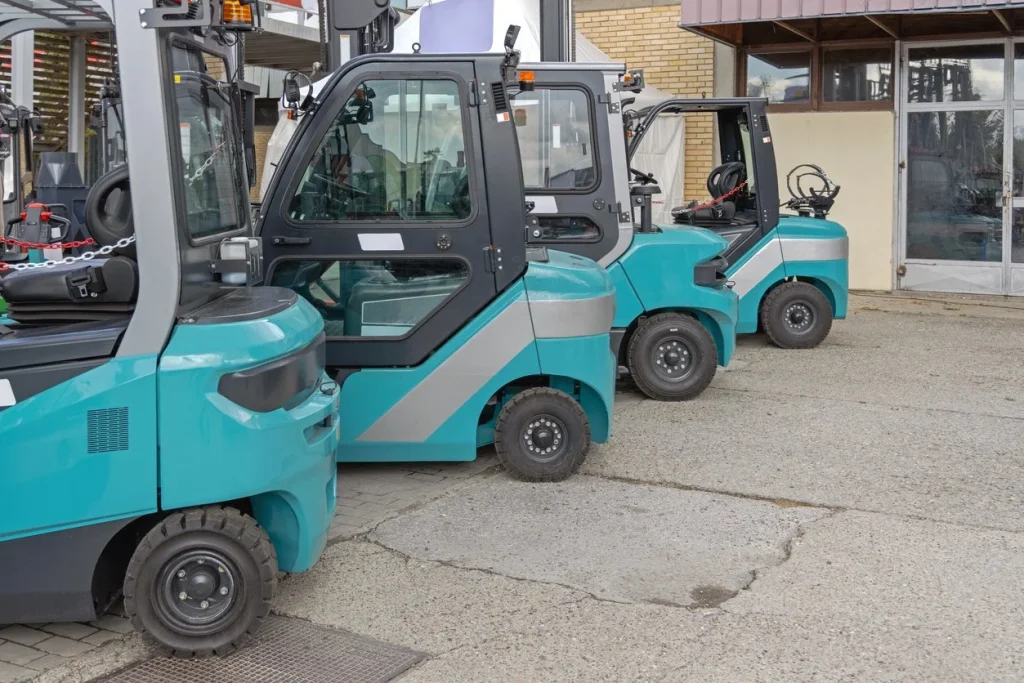
Written By: Darko In Wollongong’s construction sector, demand for dependable, cost‑effective forklift rental options continues to grow. This guide offers a clear overview of the hiring process, typical rental rates, and the factors to consider when selecting equipment for construction projects. A sound understanding of these elements improves operational efficiency and cost control. Many organisations encounter difficulty matching equipment to project needs while remaining within budget. This article reviews available forklift types, explains how rental rates affect costs, and compares the benefits of renting versus buying. Hiring Process The hiring process comprises several key steps to ensure you select appropriate equipment for your construction project. Assessment of Needs: Begin by evaluating the specific requirements of your project, including load capacity, height, and duration of use. Selecting a Provider: Research and choose a reputable forklift rental company that offers a variety of options and has positive customer reviews. Requesting a Quote: Contact the selected provider to request a detailed quote, which should include rental rates, terms, and any additional fees. Following these steps helps streamline procurement and secures the most suitable forklift for your needs. Rental Rates Accurate knowledge of rental rates supports effective project budgeting. Rates vary by forklift type, rental term, and included services. Short-term Rentals: Typically come with higher daily rates, making them suitable for temporary projects or seasonal demands. Long-term Rentals: Offer lower daily rates for extended use, often including maintenance services. Typical Costs: Rates vary based on forklift type (electric, diesel, LPG) and rental duration. Key Considerations for Selecting the Appropriate Forklift Select a forklift by evaluating factors that affect performance and site safety. Forklift Type: Different types of forklifts are designed for specific tasks. For instance, electric forklifts are ideal for indoor use, while diesel forklifts are better suited for outdoor applications. Load Capacity: Ensure that the forklift can handle the maximum weight of the loads you intend to lift. Operational Environment: Consider whether the forklift will be used indoors or outdoors, as this will influence the type of forklift you should choose. Considering these factors ensures the chosen machine meets operational and safety requirements. Benefits of Renting vs. Buying Choosing to rent or buy requires assessment of each option’s business implications. Cost Savings: Renting can be more cost-effective for short-term projects, as it eliminates the need for a significant upfront investment. Flexibility: Renting allows you to choose different forklift types based on project needs without the commitment of ownership. Access to Modern Equipment: Rental companies often provide the latest models, ensuring you have access to the most efficient and safe equipment. These benefits make renting an attractive option for many construction businesses in Wollongong. For comprehensive information on renting, explore forklift rental and hire services available. Consider both environmental and financial implications when deciding between renting and owning construction equipment. Contact Information For inquiries about forklift rentals, contact Wollongong Forklift at the following details: Phone: (02) 4288 1513 Address: Unit 2 / 59 Hargraves Avenue, Albion Park NSW, 2527 What Are the Available Forklift Types for Hire in Wollongong Construction? Wollongong provides several forklift types for hire to meet varied construction requirements. The most common include: Electric Forklifts: Ideal for indoor use due to their low emissions and quiet operation. Diesel Forklifts: Suitable for outdoor applications, providing robust power and durability. LPG Forklifts: Versatile options that can be used both indoors and outdoors, offering a balance between power and efficiency. Knowing these options helps you select the right machine for project conditions. How do forklift specifications impact rental suitability? Specifications determine a forklift’s suitability for specific tasks. Key specifications include: Load Capacity: The maximum weight a forklift can safely lift, which must align with your project needs. Mast Height: The height to which the forklift can lift loads, essential for projects with height restrictions. Fuel Type: Different fuel types (electric, diesel, LPG) affect operational costs and environmental impact. Evaluating these specifications ensures the rented unit fulfils operational needs. How Do Forklift Rental Rates and Contract Options Work in Wollongong? Rental rates in Wollongong depend on forklift type and rental duration, among other factors. Short-term Rentals: Typically charged at a higher daily rate, suitable for brief projects. Long-term Rentals: Offer more favourable rates for extended use, often including maintenance and support services. Additional Fees: Be aware of potential extra charges, such as delivery fees or insurance costs. Awareness of these factors helps you choose cost-effective contract terms. What Safety and Operator Requirements Apply to Forklift Hire in Wollongong? Safety is essential when hiring forklifts. Key requirements include: Operator Training: Operators must be trained and certified to operate forklifts safely. Compliance with Safety Regulations: Adherence to local safety regulations is essential to ensure a safe working environment. Documentation Requirements: Ensure that all necessary documentation, including rental agreements and safety certifications, is in order. Adhering to these requirements minimises operational risk. What Maintenance and Support Services Are Included with Forklift Rentals? When renting a forklift, understand the maintenance and support services specified in the rental agreement. Common services may include: Ongoing Maintenance: Regular inspections and servicing to ensure the forklift remains in optimal condition. Emergency Repair Services: Access to repair services in case of breakdowns during the rental period. Scheduled Inspections: Routine checks to ensure compliance with safety standards. These services improve the reliability and safety of rented equipment. How is Forklift Maintenance Managed During Rental Periods? During rental periods, maintenance is typically managed by the rental company. Key aspects include: Maintenance Schedules: Rental companies often provide a maintenance schedule to ensure the forklift is serviced regularly. Responsibilities of Rental Companies: The rental company is usually responsible for maintaining the equipment and addressing any issues that arise. Support Services Provided: Many rental companies offer support services to assist with any operational challenges. Understanding maintenance arrangements helps ensure consistent equipment reliability. What customer support options are available for rental clients? Customer support is a key element of the rental experience. Available options may include: Types of Support Offered: Many rental companies provide 24/7 support for urgent inquiries
Used Forklifts for Sale: A Smart Investment for Australian Businesses
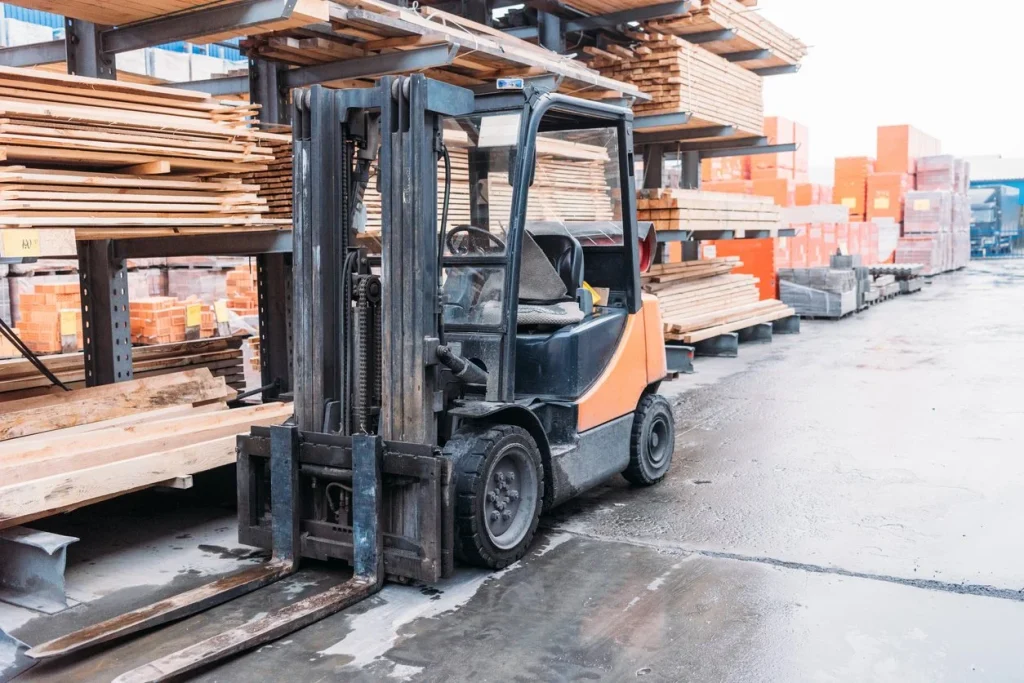
Written By: Darko For many Australian businesses operating in warehousing, construction, manufacturing and logistics, forklifts are essential for daily operations. They improve productivity, support safe material handling and help businesses move stock efficiently across worksites and storage facilities. However, purchasing brand-new equipment is not always the most practical or cost-effective option. This is why many businesses are turning to used forklifts for sale as a smart alternative. Quality second-hand forklifts can deliver reliable performance, excellent value and immediate operational benefits without the higher upfront costs of new machinery. Whether you are a growing warehouse operation, a construction company or a business looking to expand your equipment fleet, understanding what to look for when buying a used forklift can help you make an informed investment. For businesses across New South Wales, working with trusted local suppliers such as Wollongong Forklift ensures access to quality used forklifts backed by professional advice and dependable support. Why Buy Used Forklifts? Purchasing used forklifts has become increasingly popular across Australia due to the practical financial and operational advantages they offer. A well-maintained used forklift can provide years of dependable service while significantly reducing capital expenditure. For many businesses, this makes second-hand equipment an efficient and strategic purchasing decision. Cost Savings Without Compromising Performance One of the biggest advantages of buying a used forklift is cost efficiency. Used forklifts are typically available at substantially lower prices than new models, allowing businesses to: Reduce upfront investment Improve cash flow Access better equipment within budget Allocate funds to other operational priorities For small to medium-sized Australian businesses, this can make a major difference when scaling operations. Immediate Availability New forklifts can sometimes involve lengthy lead times due to manufacturing and shipping schedules. Used forklifts are often available for immediate purchase and delivery. This is particularly valuable for businesses needing equipment quickly to meet project deadlines or increased operational demand. Lower Depreciation Like most machinery, forklifts depreciate fastest during their early years. By purchasing used equipment, buyers avoid the steepest depreciation period. This means businesses often retain better resale value over time compared to buying brand-new units. Wide Range of Options The used forklift market in Australia offers access to a broad selection of: Electric forklifts LPG forklifts Diesel forklifts Reach trucks Counterbalance forklifts Walkie stackers This variety allows businesses to choose equipment suited to their exact operational requirements. What to Consider When Buying Used Forklifts While used forklifts offer excellent value, careful evaluation is essential. Not all second-hand equipment offers the same quality, reliability or lifespan. Understanding key assessment factors can help ensure a smart purchase. Operating Hours A forklift’s operating hours provide important insight into usage history. Much like kilometres on a vehicle, lower operating hours generally indicate less wear. However, regular servicing and maintenance can often be just as important as total hours. A well-maintained forklift with higher hours may still perform exceptionally well. Service and Maintenance Records Comprehensive maintenance records are one of the strongest indicators of a forklift’s condition. These records help confirm: Regular servicing Repairs completed Component replacements Compliance checks A reputable supplier should provide clear information regarding service history. Overall Mechanical Condition Inspecting the forklift’s mechanical condition is essential. Key areas to assess include: Mast and Lift Chains Look for signs of excessive wear, corrosion or stretching. Tyres Check for wear patterns and sufficient tread depth. Hydraulics Inspect for leaks, inconsistent pressure or slow lifting performance. Battery or Engine Condition Electric forklifts should have healthy battery performance, while LPG and diesel models should start smoothly and run consistently. Safety Features Forklifts must meet Australian workplace safety standards. Important safety checks include: Working lights and alarms Seatbelts Braking performance Steering responsiveness Load capacity plates Purchasing from a trusted supplier helps ensure compliance. Choosing the Right Type of Used Forklift Different industries require different forklift solutions. Understanding operational needs is critical when selecting equipment. Electric Forklifts Electric forklifts are popular for indoor warehouse use. They offer: Quiet operation Zero direct emissions Lower running costs Smooth manoeuvrability They are ideal for enclosed Australian warehouse environments. LPG Forklifts LPG forklifts offer versatility for both indoor and outdoor use. Benefits include: Quick refuelling Reliable performance Strong lifting capacity They are commonly used in distribution centres and mixed-use worksites. Diesel Forklifts Diesel forklifts are best suited to heavy-duty outdoor applications. They provide: High power output Durability Excellent performance on rough terrain Construction and industrial sites often favour diesel units. Reach Trucks Reach trucks are designed for narrow aisles and high racking systems. They maximise warehouse storage efficiency and are widely used in Australian logistics operations. Benefits of Buying from a Specialist Supplier Choosing where to purchase a used forklift is just as important as choosing the machine itself. Working with an established forklift supplier provides greater confidence and long-term value. Quality Assurance Professional suppliers inspect, service and prepare used forklifts before sale. This reduces the risk of hidden mechanical issues. Expert Guidance An experienced supplier can recommend the right equipment based on: Load requirements Warehouse layout Surface conditions Operating hours Budget constraints This ensures businesses purchase equipment suited to real operational needs. Ongoing Support Many specialist suppliers offer: Servicing Repairs Spare parts access Technical advice This ongoing support protects your investment. Why Local Matters for Australian Businesses Buying from a local Australian forklift supplier offers practical advantages. These include: Faster delivery Easier inspections Responsive servicing Better local support Understanding of Australian workplace standards For businesses in New South Wales, sourcing forklifts locally can significantly improve convenience and reliability. Financing Options for Used Forklifts Many Australian businesses prefer financing used forklifts rather than paying upfront. Flexible finance options can help: Preserve cash flow Spread costs over time Enable fleet upgrades Support business growth Discussing finance solutions with suppliers can make equipment acquisition more accessible. Common Mistakes to Avoid When purchasing used forklifts, buyers should avoid several common mistakes. Focusing Only on Price The cheapest option is not always the best value. Condition, maintenance history and supplier reputation matter far more in the long term. Skipping Inspections Always inspect
Affordable Forklift Hire Options in Wollongong: Comprehensive Guide for Businesses
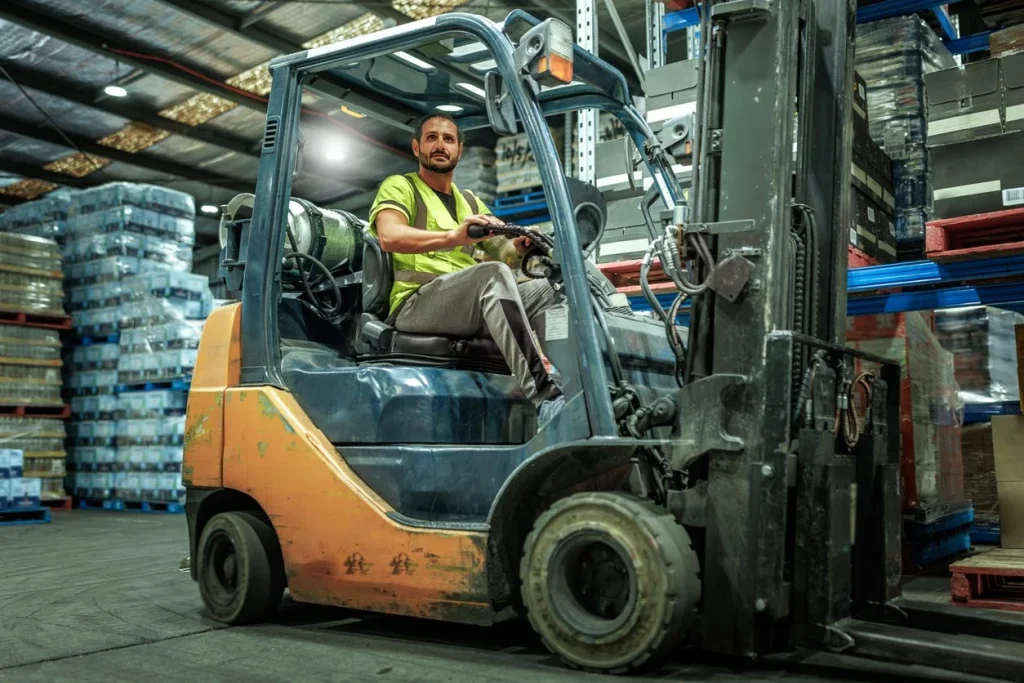
Written By : Darko Securing affordable forklift hire in Wollongong can improve operational efficiency for businesses that require material handling solutions. This guide provides a clear overview of forklift types for hire, typical rental rates, contract terms and essential support services. Many organisations encounter difficulty selecting the correct equipment and estimating associated costs; reviewing the available options enables informed decisions that align with operational requirements and budgets. It covers forklift types, hire rates, hire durations, support services, operator training and maintenance provisions. Effective material handling underpins logistics and warehousing operations, yet the capital cost of purchasing forklift trucks often presents a major barrier for many businesses. What Types of Forklifts Are Available for Hire in Wollongong? In Wollongong, businesses can access a diverse range of forklifts suited to different operational requirements. The types available for hire include: Electric Forklifts: Ideal for indoor use, these forklifts are quiet and produce zero emissions, making them suitable for warehouses and retail environments. Diesel Forklifts: Known for their power and durability, diesel forklifts are perfect for outdoor applications and heavy lifting tasks. LPG Forklifts: These versatile machines can be used both indoors and outdoors, offering a balance between power and emissions. Telehandler Forklifts: With extended reach capabilities, telehandlers are excellent for construction sites and agricultural applications. Walkie Stackers: These compact forklifts are designed for manoeuvrability in tight spaces, making them ideal for small warehouses. Pallet Trucks: A cost-effective solution for moving pallets over short distances, pallet trucks are essential for any warehouse operation. Assessing the applications and features of each forklift type helps businesses select the most appropriate option for their operations. For full specifications and availability, review the forklift rental and hire options. What Are the Typical Forklift Hire Rates and Pricing Factors in Wollongong? Hire rates in Wollongong depend on several factors, including the type of forklift, rental duration and any additional services. Typical rental rates are as follows: Daily Hire: From AUD 120 approximately Weekly Hire: From AUD 600 approximately Key factors that influence these rates include: Forklift Type: More specialised models, such as telehandlers, typically attract higher rental rates. Rental Duration: Extended rental periods often qualify for discounted rates. Additional Services: Inclusions such as maintenance, operator training and insurance will affect overall costs. Businesses seeking to hire should consider these factors to secure the best value for their investment. For enquiries, you can contact Wollongong Forklift at (02) 4288 1513. What Hire Duration Options and Contract Terms Are Offered? Businesses may choose short-term, medium-term or long-term hire agreements. Each option is accompanied by contract terms that specify the responsibilities of both the hirer and the rental company. Short-term Rentals: Typically for a few days to a week, ideal for temporary projects or peak seasons. Medium-term Rentals: Usually span from one week to several months, suitable for ongoing projects that require consistent equipment use. Long-term Rentals: Often extend beyond six months, providing businesses with a cost-effective solution for extended operations. Review contract terms carefully; they commonly include conditions regarding maintenance, insurance and liability. What Support and Safety Services Accompany Forklift Hire? Hire agreements commonly include support and safety services to ensure safe and efficient operation. These services typically encompass: Scheduled Maintenance: Regular maintenance checks to ensure the forklift operates safely and efficiently. Emergency Repair Services: Quick response services to address any unexpected breakdowns or issues. Operator Training: Comprehensive training programmes to ensure that operators are skilled and compliant with safety regulations. These services enhance workplace safety and extend the operational life of the equipment, making them valuable additions to any hire agreement. Operator Training and Compliance Requirements in Wollongong Operator training is a mandatory component of forklift hire in Wollongong. Businesses must ensure their operators are adequately trained and compliant with safety regulations. Key aspects of operator training include: Certification Requirements: Operators must obtain the necessary licences and certifications to operate forklifts safely. Training Programs: Many rental companies offer training programmes that cover safe operation, maintenance, and emergency procedures. Compliance Processes: Regular assessments and refresher courses may be required to maintain compliance with local regulations. Investing in appropriate training improves workplace safety and enhances operational efficiency. Maintenance and On-Site Support Services for Hire Equipment Maintenance and on-site support services are essential to ensure the reliability of hired forklifts. These services typically include: Ongoing Maintenance Services: Regular inspections and servicing to prevent breakdowns and ensure optimal performance. Emergency Repair Services: Access to technicians who can quickly address any mechanical issues that arise during the rental period. Local Expertise in Maintenance: Many rental companies provide technicians familiar with the specific models and types of forklifts available, ensuring efficient service. Utilising these maintenance and support services reduces downtime and enhances productivity throughout the hire period. Conclusion Selecting affordable forklift hire in Wollongong can improve operational efficiency while controlling costs. Understanding the range of forklift types, rental rates and support services enables informed decisions that align with your business needs. Explore our comprehensive selection of hire solutions tailored for commercial operations, and contact us to arrange the appropriate equipment for your material handling requirements.
Best Forklift Options for Sale in Wollongong: Comprehensive Guide for Business Buyers
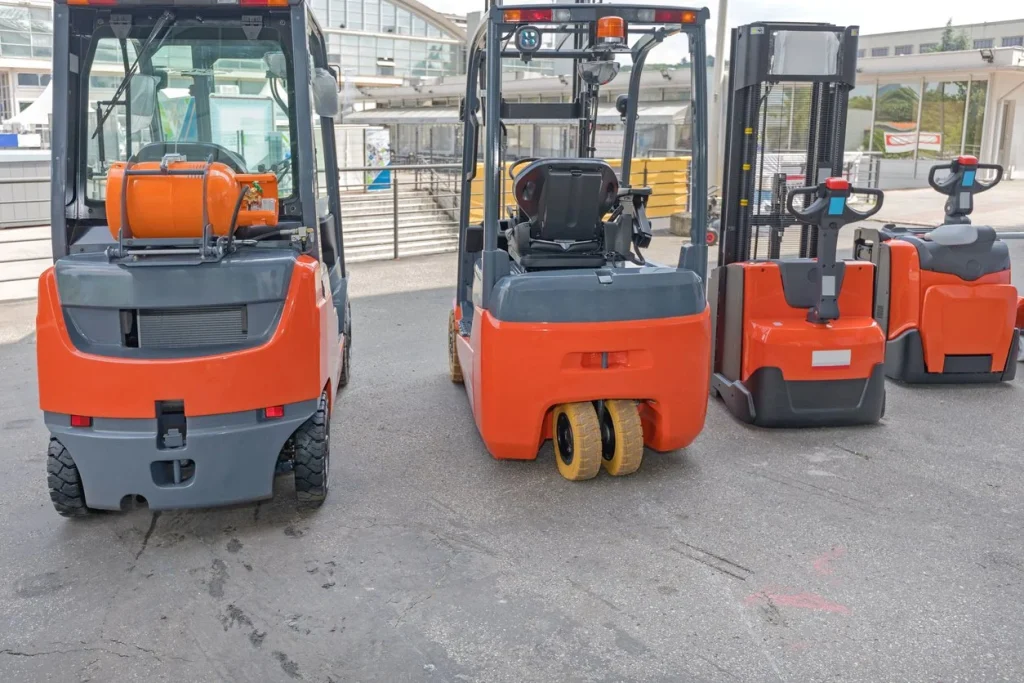
Written By : Darko Selecting the correct forklift is vital to both operational efficiency and workplace safety. This guide presents the best forklift options in Wollongong to help business buyers make informed decisions. It outlines the main forklift types, key features, pricing trends and financing choices. Understanding these factors helps businesses improve productivity and streamline operations. The guide also covers trusted dealers and the trade-offs between hiring and purchasing forklifts. Which Types of Forklifts Are Available for Sale in Wollongong? Wollongong suppliers provide a broad selection of forklifts to meet different business requirements. The primary categories are electric forklifts, counterbalance forklifts and reach trucks, each suited to specific applications. Electric forklifts are well-suited to indoor use because they produce zero local emissions and operate with lower noise, making them appropriate for warehouses and retail settings. Counterbalance models are versatile and capable of handling heavier loads, while reach trucks are designed for narrow aisles and help to maximise storage density. Evaluating the distinct features of each type enables businesses to choose the most appropriate equipment for their operations. Selecting appropriate material handling equipment is often complex and benefits from a structured, multi-criteria approach. What Are the Features and Benefits of Electric Forklifts in Wollongong? Electric forklifts have gained traction in Wollongong owing to clear operational advantages. They produce zero local emissions and lower noise, which suits indoor environments. Maintenance costs are generally lower than for internal combustion models because electric machines have fewer moving parts. Options for rapid charging and extended duty cycles support sustained operation, making electric forklifts a reliable choice for businesses requiring continuous performance. Businesses increasingly recognise the environmental benefits of electric forklifts as part of efforts to decarbonise logistics operations. How Do Counterbalance and Reach Trucks Compare for Local Business Needs? Counterbalance forklifts and reach trucks address different material handling challenges. Counterbalance units are constructed to lift heavy loads and are suitable for a range of tasks, including outdoor use. Reach trucks are engineered for narrow aisles, enabling operators to access high racking and maximise storage. While counterbalance forklifts are typically more robust, reach trucks provide superior manoeuvrability in confined spaces. Businesses should match equipment choice to their specific operational requirements. What Are the Current Forklift Prices and Financing Options in Wollongong? Awareness of current prices and financing options is essential when planning equipment investments. Forklift prices in Wollongong vary by type, capacity and specification. For example, electric forklifts may range from around $15,000 to $50,000, while counterbalance forklifts commonly start near $10,000. Reach trucks also vary, typically costing between $25,000 and $50,000. Typical financing arrangements in Wollongong include leasing, loans and hire purchase agreements. Leasing permits the use of equipment without a significant upfront payment. Loans enable ownership once the loan is repaid. Hire purchase allows businesses to pay by instalments while using the forklift, offering flexibility for many purchasers. What Financing Solutions Are Available for Wollongong Forklift Buyers? Buyers in Wollongong can access several financing solutions tailored to commercial needs. Common options are traditional bank loans, equipment financing and leasing arrangements. Equipment financing provides funds specifically for forklift purchases, often on favourable terms. Leasing remains a popular alternative for businesses that prefer operational flexibility over immediate ownership. Each option has trade-offs; businesses should review their financial position to determine the most appropriate solution. Where Can Businesses Find Trusted Forklift Dealers and Hire Services in Wollongong? Locating reliable forklift dealers and hire services is important for Wollongong businesses. Reputable dealers supply sales, rentals and maintenance, and provide expert guidance to select equipment that meets operational and safety requirements. Which Local Dealers Offer the Best Selection and Support? Several local dealers in Wollongong are recognised for strong product ranges and professional support. These dealers typically stock multiple brands and models, improving the likelihood of finding a suitable match for operational needs. Many also offer maintenance and after‑sales services to keep equipment in optimal condition. Working with reputable dealers improves the procurement process and supports long-term asset reliability. What Are the Advantages of Forklift Hire Versus Purchase in Wollongong? Deciding between hiring and purchasing depends on operational patterns and financial strategy. Hiring can be more cost-effective for short-term projects or variable workloads, and provides access to modern equipment without ownership liabilities. Purchasing delivers longer-term advantages, such as asset ownership and potential tax benefits. Businesses should evaluate workload, cash flow, and long-term needs to determine the most suitable approach. How Can Businesses Ensure Proper Maintenance and Compliance for Forklifts in Wollongong? Effective maintenance and compliance are fundamental to safe forklift operation. Regular servicing reduces the risk of breakdowns and extends equipment life. Businesses should implement a scheduled maintenance programme that includes inspections, servicing and timely repairs. Compliance with applicable safety standards is essential to ensure safe and efficient operation. Achieving optimal operational efficiency also requires attention to energy consumption at logistics sites. What Are the Recommended Maintenance Services for Forklifts? Recommended maintenance services include routine inspections, battery checks and tyre maintenance. Regular inspections identify issues before they escalate. Battery checks are essential to maintain performance for electric forklifts. Tyre maintenance supports handling and stability, reducing safety risks. Engaging professional maintenance providers helps ensure compliance and extends asset life. Which Safety and Compliance Standards Apply to Wollongong Forklift Operations? Wollongong forklift operations must comply with specific safety and regulatory standards to maintain safe workplaces. These requirements typically include scheduled inspections, operator training and accurate documentation. Businesses should familiarise themselves with local regulations and confirm that their procedures meet all statutory safety criteria. Prioritising safety and compliance protects employees and equipment while supporting operational efficiency. Conclusion Choosing the right forklift is central to improving operational efficiency and maintaining a safe workplace. By understanding the available types, pricing and financing options in Wollongong, businesses can make informed procurement decisions. Working with trusted dealers and maintaining a disciplined approach to servicing and compliance will support equipment longevity and reliability. Consult the available resources to identify the most appropriate forklift solutions for your business.
Best Forklifts for Heavy Lifting in Wollongong: Reliable Solutions for Industrial Operations
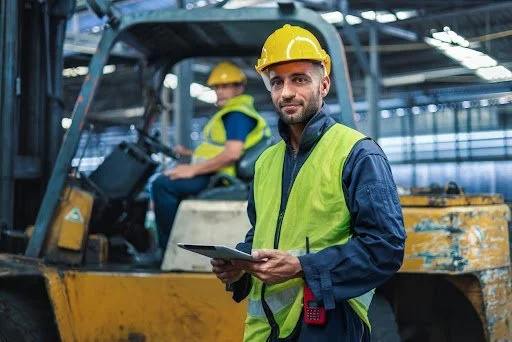
Written By: Darko Choosing the correct forklift for heavy industrial lifting is essential for both efficiency and safety. This guide reviews the best forklifts available in Wollongong, focusing on key features, model recommendations, rental solutions, and maintenance practices. A clear understanding of forklift types and capabilities supports improved operational efficiency. Many businesses find it challenging to choose equipment that meets lifting requirements while remaining compliant with safety regulations. This article gives concise, practical insights to help you make informed decisions. Key Features to Consider Evaluate load capacity, fuel type, aisle width compatibility, and lift height to ensure a forklift meets your operational requirements. These factors determine how well a machine fits your workspace and handles the weight and type of materials you need to move. Load Capacity: The load capacity of a forklift determines how much weight it can safely lift. Choose a model that can handle your heaviest loads without compromising safety. Fuel Type Forklifts can be powered by electric, diesel, or LPG. Each fuel type has advantages and disadvantages that affect operational costs and suitability for different environments. Aisle Width Compatibility: The width of your operational space dictates the type of forklift you can use. Narrow-aisle forklifts are ideal for tight spaces, while standard models suit larger areas. Lift Height Requirements: Depending on your storage needs, the lift height of the forklift is important. Ensure the model you choose can reach the necessary heights for your operations. Rental Options For businesses requiring flexibility, renting forklifts is a practical option. Wollongong Forklift offers rental plans for both short-term and long-term needs. Renting provides operational flexibility and access to appropriate equipment without the upfront cost of purchase. Short-term Rental Benefits: Ideal for seasonal projects or temporary workload increases, short-term rentals let businesses meet immediate demands without long-term commitments. Long-term Rental Advantages: Long-term rentals can be cost-effective for ongoing operations, providing access to current models without the initial capital required for purchase. Maintenance Support Options: Many rental agreements include maintenance support, ensuring equipment remains in optimal condition throughout the rental period. Maintenance Practices Regular maintenance preserves forklift longevity and safety. A structured maintenance schedule reduces the risk of costly breakdowns and supports consistent operational performance. Key maintenance practices include: Daily Checks: Operators should perform daily inspections to confirm safety features are functioning and the forklift is in good working condition. Weekly Hydraulic Inspections: Regular hydraulic checks can prevent leaks and ensure lifting mechanisms operate smoothly. Monthly Tyre Maintenance: Inspecting and maintaining tyres is crucial for safety and performance, as worn tyres affect stability and handling. Which Types of Heavy-Duty Forklifts Are Available in Wollongong? Wollongong suppliers offer electric, diesel, and LPG heavy-duty forklifts. Electric forklifts suit indoor environments because of low emissions, while diesel and LPG models provide greater power and longer run times for outdoor work. What Are the Lifting Capacities and Fuel Types of Industrial Forklifts? Industrial forklifts commonly range from 1.5 tons to over 5 tons. Fuel choice electric, diesel, or LPG affects operating cost and environmental suitability. Electric forklifts are quieter and more suitable for indoor operations, while diesel and LPG units supply greater power for demanding outdoor tasks. How Do Electric Forklifts Compare to Diesel and LPG Models? Electric forklifts offer higher efficiency and lower operating costs in indoor settings and produce no emissions, which benefits warehouses and manufacturing facilities. Diesel forklifts provide greater power for outdoor and rugged environments. LPG forklifts offer a compromise, giving flexibility for both indoor and outdoor applications. What Are the Forklift Rental and Purchase Options in Wollongong? Wollongong Forklift supplies both rental and purchase options across multiple models. Renting provides access to current equipment without significant capital expenditure, while purchasing can yield long-term cost advantages and operational consistency. Assess your operational requirements and budget to determine the best approach. How Do Safety Regulations and Maintenance Impact Forklift Operations in NSW? New South Wales enforces strict safety regulations for forklift operations to protect operators and other personnel. Compliance with these requirements reduces the risk of accidents and legal exposure. Regular maintenance supports compliance by minimising equipment faults that could lead to incidents. What Certification Requirements Must Forklift Operators Meet in Wollongong? Forklift operators in Wollongong must obtain the required certification to operate heavy machinery safely. This typically involves completing a licensed training course covering safety protocols, operational procedures, and basic maintenance. Proper training is essential for a safe work environment. What Are Best Practices for Forklift Maintenance and Safety Compliance? To maintain safety and regulatory compliance, businesses should adopt clear maintenance and training practices, including: Regular Training: Continuous training for operators on safety protocols and equipment handling. Scheduled Maintenance: Establish a routine maintenance schedule to check and service forklifts regularly. Safety Inspections: Conduct safety inspections before each shift to identify potential issues. These measures support a safe workplace and help ensure ongoing compliance with local regulations. Which Forklift Brands and Models Are Recommended for Heavy Lifting in Wollongong? Reputable manufacturers such as Toyota, Hyster, and Mitsubishi offer reliable forklifts for heavy lifting in Wollongong. Each brand provides models across a range of lifting capacities and configurations; select a model that aligns with your specific operational requirements. What Are the Key Features of Leading Forklift Brands in the Region? Leading forklift brands prioritise quality, safety, and incremental innovation. Common features include advanced safety systems, ergonomic operator design, and efficient fuel consumption. These attributes contribute to improved productivity and reduced operational costs. How Do Different Models Compare in Terms of Performance and Reliability? Performance and reliability are central when comparing forklift models. Machines with higher load capacities and enhanced safety systems perform better in demanding conditions. Brands with strong reliability records tend to deliver superior long-term value through reduced downtime and lower repair frequency. Conclusion The appropriate forklift for heavy lifting in Wollongong will improve operational efficiency and safety. By reviewing key features, model options, and maintenance practices, you can make decisions that match your business needs. Explore the available range of forklifts and rental solutions to identify the right equipment for
Cost-Effective Forklift Rentals for Your Business Needs: Affordable Industrial Forklift Hire Solutions
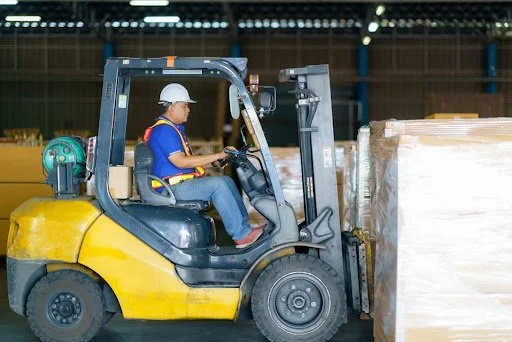
Written By: Darko Cost-effective forklift rentals can improve productivity while minimising overhead for industrial operations. Organisations must balance equipment requirements against budget limits, which makes rental solutions an attractive choice. This article examines types of forklifts, pricing structures, and the benefits of renting versus buying so businesses can match equipment to operational needs and financial objectives. We also provide an overview of affordable hire options, pricing models, and typical rental benefits for companies considering this route. A clear understanding of forklift operating costs is necessary to identify genuinely cost-effective options. Forklift Operating Costs, Maintenance & Efficient Utilisation Forklifts are essential equipment in manufacturing and warehousing operations and represent a significant portion of facility resources. Excess costs often arise from limited insight into the primary drivers of operating expenses, maintenance requirements, life cycle, and utilisation efficiency. Study on efficient forklift utilisation, cost & life cycle analysis, 2013 Affordable Forklift Hire Solutions Forklift rentals provide a flexible, economical alternative to purchasing for businesses that require material handling equipment without long-term ownership. Rental fleets include multiple types tailored to different environments and tasks. Understanding these options helps ensure the correct equipment is selected. What Are the Key Forklift Types Available for Cost-Effective Rental? Rental providers offer several forklift categories, each intended for specific applications. The main categories include counterbalance, reach, and electric models. Counterbalance Forklifts: Ideal for general warehouse operations, these forklifts are versatile and easy to manoeuvre. Reach Trucks: Designed for narrow aisles, reach trucks excel in high stacking and retrieval tasks. Electric Forklifts: These are suitable for indoor use, offering a quieter and more environmentally friendly option. Selecting the correct forklift type enables businesses to streamline workflows and increase operational efficiency. Which Industrial Forklift Models Suit Different Business Operations? Various models address specific operational requirements, allowing companies to match equipment to task and environment. Electric Forklifts: Best for indoor environments where emissions and noise are concerns. Diesel Forklifts: Suitable for outdoor use, providing robust power for heavy lifting. Telehandlers: Ideal for construction sites, offering versatility in lifting and reaching. Choosing the appropriate model can improve throughput and lower operating costs. Pricing Options Knowing the common pricing models for forklift rentals is essential for accurate budgeting. Rental costs depend on factors such as machine type, hire duration, and services included. How Do Forklift Hire Rates and Rental Terms Impact Your Budget? Rental rates vary according to multiple factors: Type of Forklift: Different models come with varying price points, impacting overall rental costs. Rental Duration: Longer rental periods often lead to lower daily rates, making it more economical for extended projects. Included Services: Some rental agreements may include maintenance and support, which can affect the overall cost. By analysing these elements, businesses can plan budgets and select rental terms that align with project needs. What Are Typical Short-Term Forklift Hire Pricing Models? Short-term hire commonly uses daily, weekly, and monthly rate structures to suit project length and budget. Daily Rates: Ideal for short projects, allowing businesses to rent equipment as needed. Weekly Rates: Often more economical for projects lasting several days, providing a balance between cost and flexibility. Monthly Rates: Best for longer-term projects, offering significant savings compared to daily rentals. Understanding these models helps businesses select the most cost-effective rental option for their requirements. Advantages of Renting vs. Buying Renting forklifts delivers specific advantages compared with purchasing, which can suit varying business strategies and project profiles. Lower Upfront Costs: Renting eliminates the need for a significant initial investment, allowing businesses to allocate funds elsewhere. Flexibility: Companies can easily adjust their equipment needs based on project demands without the burden of ownership. Access to Modern Equipment: Rental services often provide the latest models, ensuring businesses have access to advanced technology and features. These advantages make renting a practical option for businesses aiming to optimise operations while controlling capital outlay. For businesses seeking flexible options, forklift hire provides a cost-effective alternative to purchasing. Conclusion Choosing cost-effective forklift rentals from Wollongong Forklift can improve your business’s operational efficiency while reducing financial pressure. Understanding forklift types, pricing models, and the advantages of renting enables informed decisions tailored to specific requirements. Review Wollongong Forklift’s range of hire solutions to identify the best fit for your operations and begin optimising your material handling through their rental options.
Forklift Rental Services in Wollongong: Essential Information for Businesses Seeking Reliable Forklift Hire
Written By: Darko Forklift rental lets Wollongong businesses add material-handling capacity without buying equipment. This article outlines hire options, typical rental terms and pricing, and the main factors to evaluate when choosing a provider, and notes a recommended local supplier to help procurement. This emphasis on strategic selection is supported by research that underscores the importance of forklift efficiency within warehousing operations. Forklift Selection & Efficiency in Warehousing Systems In industrial practice, evaluating and selecting the most appropriate forklift is a complex decision-making problem that requires an efficient analytical model. Forklift efficiency plays a critical role in company operations; forklifts are used daily and are essential to logistical processes. An integrated decision-making model for efficiency analysis of the forklifts in warehousing systems, Ž. Stević, 2021 Types of Forklifts Available Know the main categories so you hire the right machine for the task and environment. Electric Forklifts: Best for indoor work, quiet, zero emissions. Diesel Forklifts:are suited to heavy outdoor lifting and tough conditions. LPG Forklifts: Versatile for mixed indoor/outdoor use. Telehandlers: Reach high places with an extendable arm for construction tasks. Walkie Stackers:Compact units for tight spaces and light stacking. Choosing the correct type supports safe operation and reliable performance. Rental Terms and Pricing Options Rental terms and pricing vary by machine, duration, and included services; confirm what the daily rate covers before signing. Short-term vs Long-term Rental: Short-term hires cost more per day; long-term rates are lower for ongoing needs. Pricing Factors: Model, lift capacity, attachments, duration, and delivery affect price. Inclusions in Rental Agreements: Check if maintenance, insurance, or operator training are included. Wollongong Forklift has a broad fleet and competitive rates; for detailed pricing, call (02) 4288 1513. Factors to Consider When Choosing a Rental Service Focus on operational fit, responsiveness, and logistical support to avoid interruptions. Local Expertise: Local firms often provide faster support and better knowledge of regional sites. Customer Support: Verify availability, response times, and escalation procedures. Delivery and Pickup Services: Confirm delivery windows and pickup logistics to plan operations. Checking these factors reduces downtime and procurement risk. Recommended Local Provider Wollongong Forklift is a local supplier recommended for dependable hire and responsive service. Comprehensive Range: Offers electric, diesel, and LPG machines to suit common needs. Competitive Pricing: Flexible hire options aimed at different budgets. Strong Customer Support: Local support and maintenance options help preserve uptime. Find Wollongong Forklift at Unit 2 / 59 Hargraves Avenue, Albion Park NSW, 2527, or call (02) 4288 1513 for enquiries. What Types of Forklifts Are Available for Hire in Wollongong? Local fleets commonly include electric models for indoor work, diesel for heavy outdoor tasks, and LPG for mixed applications; choose by task and site conditions. How Do Forklift Specifications Affect Rental Choices? Key specs, such as load capacity, mast height, and fuel type, determine safety, suitability, and cost. Load Capacity: Match capacity to your maximum load to avoid overload. Mast Height: Ensure lift height fits your racking and storage layout. Fuel Type: Consider operating costs and indoor-use restrictions. Align specifications with tasks to improve efficiency and safety. What Are the Rental Terms and Pricing Options for Forklift Hire in Wollongong? When evaluating hire options (see provider links), ask for daily and weekly rates, deposit requirements, and any extra fees. Short-term Rentals: Higher daily rates suited to temporary projects. Long-term Rentals: Lower daily cost for extended use. Additional Fees: Watch for delivery, insurance, or damage-excess charges. For quotes and terms, contact Wollongong Forklift at (02) 4288 1513. How Do Short-Term and Long-Term Rental Contracts Differ? Short-term contracts give flexibility for variable workloads; long-term agreements lower daily costs and suit ongoing operations. Cost Differences: Short-term is pricier per day; long-term reduces daily rate. Flexibility: Short-term fits fluctuating needs; long-term secures equipment availability. Usage Scenarios: Choose contract length to match project timelines and budget. Review terms to select the contract that matches your usage and cash flow. What Are the Typical Wollongong Forklift Rental Rates and Leasing Options? Rates depend on machine class and hire duration; ask providers about weekly or monthly leasing that may include servicing. Short-term Rental: Expect higher daily rates for short hires. Long-term Rentals: Lower daily cost for extended hires. Leasing Options: Leasing can bundle maintenance and reduce administrative burden. Contact Wollongong Forklift for tailored pricing at (02) 4288 1513 How Does Forklift Safety and Operator Training Impact Rental Services? Safety and certified operator training are central to compliant rental use and to reducing incidents. Importance of Operator Training: Trained operators work more safely and efficiently. Compliance with Safety Regulations: Providers and clients share responsibility for legal compliance. Service Quality and Efficiency: Trained operators improve throughput and reduce damage. Confirm training availability and any related fees when hiring. What Safety Standards Must Operators Comply With? Operators must meet local training, inspection, and documentation requirements; verify the provider’s compliance processes. Operator Training Requirement: Require certified training aligned to local standards. Regular Inspections and Compliance: Ensure forklifts are inspected and documented regularly. Documentation and Legal Obligations: Maintain records to demonstrate legal compliance. Adherence to standards preserves safety and reduces liability. Are Operator Training Services Included with Forklift Rentals? Many rental companies include or offer training; always confirm the scope and cost. Training Services Offered: Sessions typically cover safe operation and basic maintenance. Cost Implications for Training: Some providers include training; others charge extra. Importance of Operator Competency: Competent operators reduce accidents and downtime. Ask providers for details on availability and pricing for training. What Maintenance and Support Services Are Provided with Forklift Rentals in Wollongong? Professional rental agreements usually include scheduled maintenance and options for emergency repairs to preserve uptime. Beyond the equipment itself, the operational and marketing strategies of rental services influence business performance and customer satisfaction. Ongoing Maintenance and Servicing: Regular servicing keeps hired forklifts operational. Emergency Repair Services: Access to rapid repairs reduces downtime. Support During Rental Period: Confirm on-call support and response commitments. These services help maintain productivity during the hiring process. How Is Forklift Maintenance Managed During the Rental Period? Providers usually
Scissor Lifts or Reach Trucks: Choosing the Best Industrial Lift Equipment for Your Business Needs
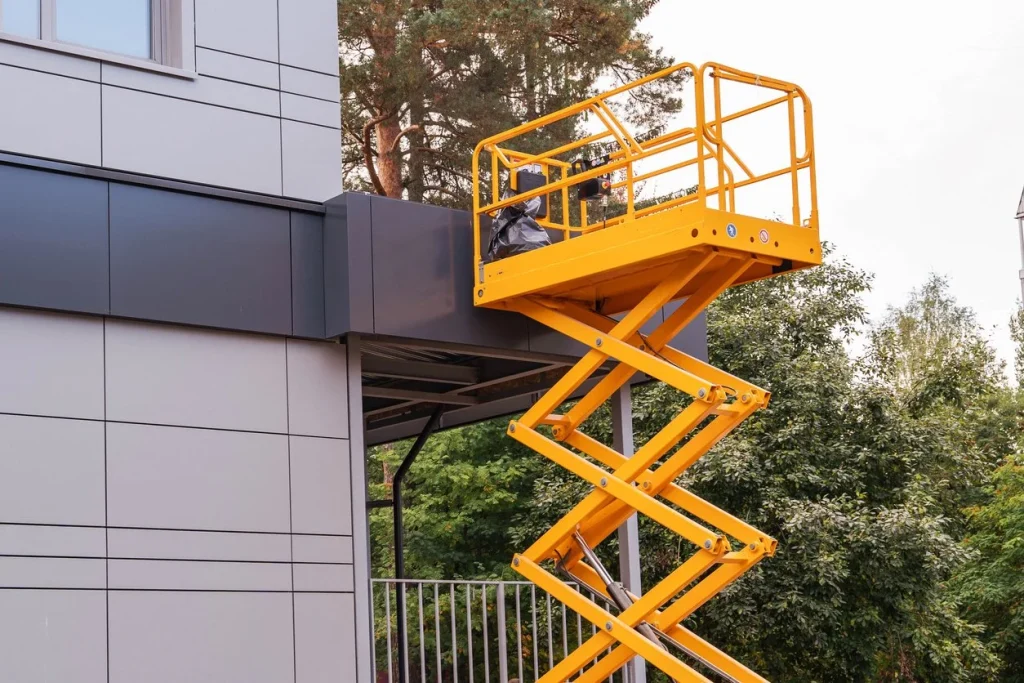
Written By: Darko Choosing between scissor lifts and reach trucks is a common decision for industrial operations. Each type of equipment delivers distinct advantages for specific tasks and environments. This article examines the key features, benefits, and typical applications of both options to support an informed business decision. Understanding their strengths helps you enhance safety, efficiency, and productivity. The discussion includes scissor lift benefits, safety features, maintenance guidance, and comparisons to reach trucks. What Are the Key Advantages of Scissor Lifts for Vertical Material Handling? Scissor lifts provide vertical lifting with a stable work platform that improves safe access to elevated areas. Their principal benefits are better access to high shelving, stronger protection for workers, and cost-effective performance across a range of applications. The hydraulic design and operational characteristics of scissor lifts are widely recognised for enhancing workplace safety and operational efficiency. Hydraulic Scissor Lift Design & Industrial Applications Hydraulic scissor lifts use hydraulic systems to raise and lower a platform to a selected height, reducing the need for manual lifting and bending. They are commonly employed in industrial, warehousing, and distribution settings. The device speeds tasks, lowers injury risk, and simplifies work processes. Design and Development of Hydraulic Scissor Lift, 2020 Improved Access: Scissor lifts can reach heights that allow workers to access high shelves and overhead areas, making them ideal for warehouses and construction sites. Enhanced Safety: With enclosed platforms and guardrails, scissor lifts protect operators from falls, significantly reducing workplace accidents. Cost-Effective Solutions: Scissor lifts are often more affordable to rent or purchase compared to other lifting equipment, making them a budget-friendly option for many businesses. For those considering scissor lifts, Wollongong Forklift supplies a range of models designed to meet diverse operational requirements. How Do Scissor Lifts Enhance Safety and Efficiency in Elevated Work? Scissor lifts improve safety and efficiency for elevated tasks through specific design features. Enclosed platforms reduce fall risk, and the compact configuration supports manoeuvring in confined spaces. Enclosed Platforms: The design of scissor lifts includes guardrails and safety features that prevent falls, ensuring operator safety during elevated tasks. Increased Productivity: By providing a stable and secure platform, scissor lifts enable workers to perform tasks more efficiently, reducing the time spent on each job. Streamlined Operations: The ability to quickly reposition and adjust the height of the lift allows for a seamless workflow, minimising downtime and enhancing overall productivity. These design elements make scissor lifts a practical option for businesses aiming to improve operational efficiency. What Are Essential Scissor Lift Maintenance Tips to Ensure Reliability? Regular maintenance is essential to preserve reliability and extend the service life of scissor lifts. Key maintenance tasks include the following. Check and Change Filters: Regularly inspect and replace air and hydraulic filters to maintain optimal performance. Inspect Hydraulic Systems for Leaks: Regularly check hydraulic lines and connections for leaks to prevent operational failures. Conduct Safety Tests: Perform routine safety tests to ensure all safety features are functioning correctly, including emergency stop buttons and guardrails. Adopting these maintenance practices helps prevent costly repairs and supports the safe operation of scissor lifts. How Do Reach Trucks Compare to Forklifts in Warehouse Operations? Reach trucks and forklifts fulfil different roles within warehouse operations, with each offering specific operational advantages. Design and Functionality Differences: Reach trucks are designed for narrow aisles, allowing for efficient storage and retrieval of goods in tight spaces, while forklifts are more versatile for various lifting tasks. Operational Environment Suitability: Reach trucks excel in environments where space is limited, making them ideal for high-density storage solutions. Lift Height and Capacity: Reach trucks typically offer higher lift heights compared to standard forklifts, making them suitable for accessing upper shelves in warehouses. Recognising these differences enables businesses to select equipment that aligns with their operational requirements. What Reach Truck Safety Features Are Critical for Operator Protection? Operator safety is a primary consideration for reach trucks. Key safety features include: Automatic Speed Reduction : This feature slows down the truck when turning or operating at height, reducing the risk of accidents. Load Stability Control : Advanced systems ensure that loads remain stable during lifting and movement, preventing tipping. Effective Braking Systems : Reliable braking systems are essential for safe operation, allowing for quick stops when necessary. These systems are essential for protecting operators and maintaining safe warehouse operations. How Does Reach Truck Manoeuvrability Benefit Narrow Aisle Environments? The manoeuvrability of reach trucks delivers a clear advantage in narrow-aisle environments. Enhanced Efficiency : Their compact design allows for quick navigation in tight spaces, improving overall operational efficiency. Increased Storage Capacity : By utilising narrow aisles, businesses can maximise storage space, accommodating more inventory without expanding the warehouse footprint. Cost Savings : Efficient use of space can lead to reduced operational costs, as businesses can store more products in the same area. This manoeuvrability makes reach trucks well suited to businesses seeking to optimise their warehouse layout. What Are the Typical Rental Costs and Options for Scissor Lifts and Reach Trucks? Rental costs for scissor lifts and reach trucks vary according to several factors that affect overall pricing. Short-Term vs. Long-Term Rental Costs : Short-term rentals are typically more expensive on a per-day basis, while long-term rentals can offer significant savings. Factors Influencing Pricing : Equipment availability, rental duration, and specific model features can all impact rental costs. Rental Agreements : Understanding the terms of rental agreements, including maintenance responsibilities and insurance coverage, is essential for businesses. Assessing these factors helps businesses make informed decisions when renting lifting equipment. How Do Rental Contracts Vary Between Short-Term and Long-Term Equipment Leasing? Rental contracts for lifting equipment commonly differ based on lease duration and the associated terms. Duration and Flexibility : Short-term contracts often provide more flexibility for businesses with fluctuating needs, while long-term contracts may offer better rates for consistent usage. Cost Structure : Short-term rentals typically have higher daily rates, while long-term rentals may include discounts for extended commitments. Maintenance and Support : Long-term contracts may include maintenance services, ensuring the
Understanding Heavy-Duty Forklifts: What Businesses Need to Know
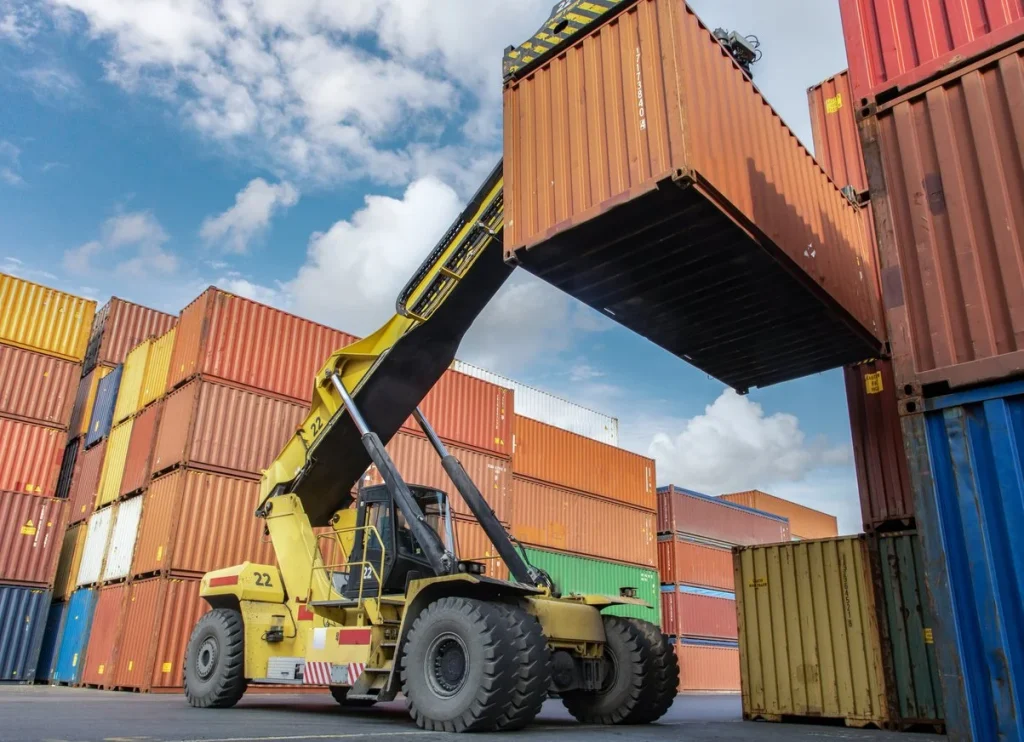
Written By: Darko Heavy-duty forklifts provide robust material handling for businesses that require reliable lifting and transport of large loads. These machines serve warehouses, construction sites, and manufacturing facilities by enabling safe, efficient movement of heavy items. This article examines key specifications, selection criteria, rental options, safety guidelines, and maintenance best practices to support informed decision-making and operational safety. Heavy-Duty Forklift Specifications Explained Understanding specifications is essential when selecting a heavy-duty forklift. Primary factors include load capacity, lift height, and fuel type. Load capacity denotes the maximum safe weight the machine can lift and varies by model. Lift height determines suitability for different storage configurations. Fuel type- electric, diesel, or LPG, affects operating costs and environmental performance. For businesses seeking to acquire heavy-duty forklifts, Wollongong Forklift supplies a range of models tailored to different operational requirements. Their product range is designed to match varied specifications so businesses can identify the appropriate equipment for their needs. Choosing the Best Heavy-Duty Forklift for Your Warehouse Selecting the correct heavy-duty forklift requires assessment of operational requirements to ensure a proper fit. Consider the following key factors: Assessing Load Capacity: Determine the maximum weight you need to lift regularly. This will help narrow down your options to forklifts that can handle your specific requirements. Evaluating Fuel Types: Consider the advantages and disadvantages of electric, diesel, and LPG forklifts. Electric models are quieter and more environmentally friendly, while diesel forklifts often provide greater power and longer operational times. Considering Aisle Width Compatibility: Ensure the forklift can manoeuvre within your warehouse layout. Narrow-aisle forklifts are ideal for tight spaces, while standard models may be better for larger areas. Wollongong Forklift provides professional guidance to help choose the heavy-duty forklift that best improves productivity and workplace safety. Heavy-Duty Forklift Rental Options and Considerations Renting a heavy-duty forklift is a cost-effective option for temporary or seasonal needs. The following considerations help assess rental suitability: Rental Duration Options: Determine how long you will need the forklift. Many rental companies offer flexible terms, from short-term rentals to long-term leases. Cost Considerations: Compare rental rates and understand what is included in the price, such as maintenance and insurance. This will help you budget effectively. Maintenance and Support Services: Ensure that the rental company provides maintenance support during the rental period. This can prevent unexpected downtime and ensure safety. Wollongong Forklift offers a variety of rental plans so businesses can select terms that meet operational demands without committing to purchase. Essential Heavy-Duty Forklift Safety Guidelines Safe operation of heavy-duty forklifts is critical to prevent accidents and protect personnel. The following guidelines support safe workplace practices: Operator Training Requirements: Ensure that all operators are properly trained and certified to operate heavy-duty forklifts. This training should cover safe operating procedures and emergency protocols. Pre-Shift Inspection Protocols: Conduct thorough inspections before each shift to identify any potential issues with the forklift. This includes checking fluid levels, brakes, and safety features. Load Handling Safety: Always adhere to load capacity limits and ensure loads are balanced and secure before lifting. This minimises the risk of tipping or dropping loads. Adherence to these safety measures helps create a safer working environment and reduces the likelihood of accidents. Heavy-Duty Forklift Maintenance Tips and Best Practices Consistent maintenance is essential to ensure reliability and extend the service life of heavy-duty forklifts. Adopt the following best practices: Routine Maintenance Checks: Schedule regular maintenance checks to identify and address potential issues before they escalate. This includes checking hydraulic systems, brakes, and tyres. Hydraulic System Inspections: Regularly inspect the hydraulic system for leaks and ensure that fluid levels are adequate. A well-maintained hydraulic system is essential for safe operation. Operator Training for Maintenance: Train operators on basic maintenance tasks, such as checking fluid levels and conducting pre-shift inspections. This empowers them to take an active role in the upkeep of the forklift. Implementing these maintenance practices will help businesses maximise forklift performance and safety, contributing to improved operational efficiency. Conclusion Investment in heavy-duty forklifts can strengthen operational efficiency, safety, and productivity. A clear understanding of specifications, rental choices, and maintenance practices enables businesses to make decisions aligned with their operational objectives. Review the model range and professional guidance at Wollongong Forklift to identify suitable material handling solutions and progress towards optimising operations.