Essential Tips for Reducing Forklift Accidents: Comprehensive Forklift Safety and Prevention Guide
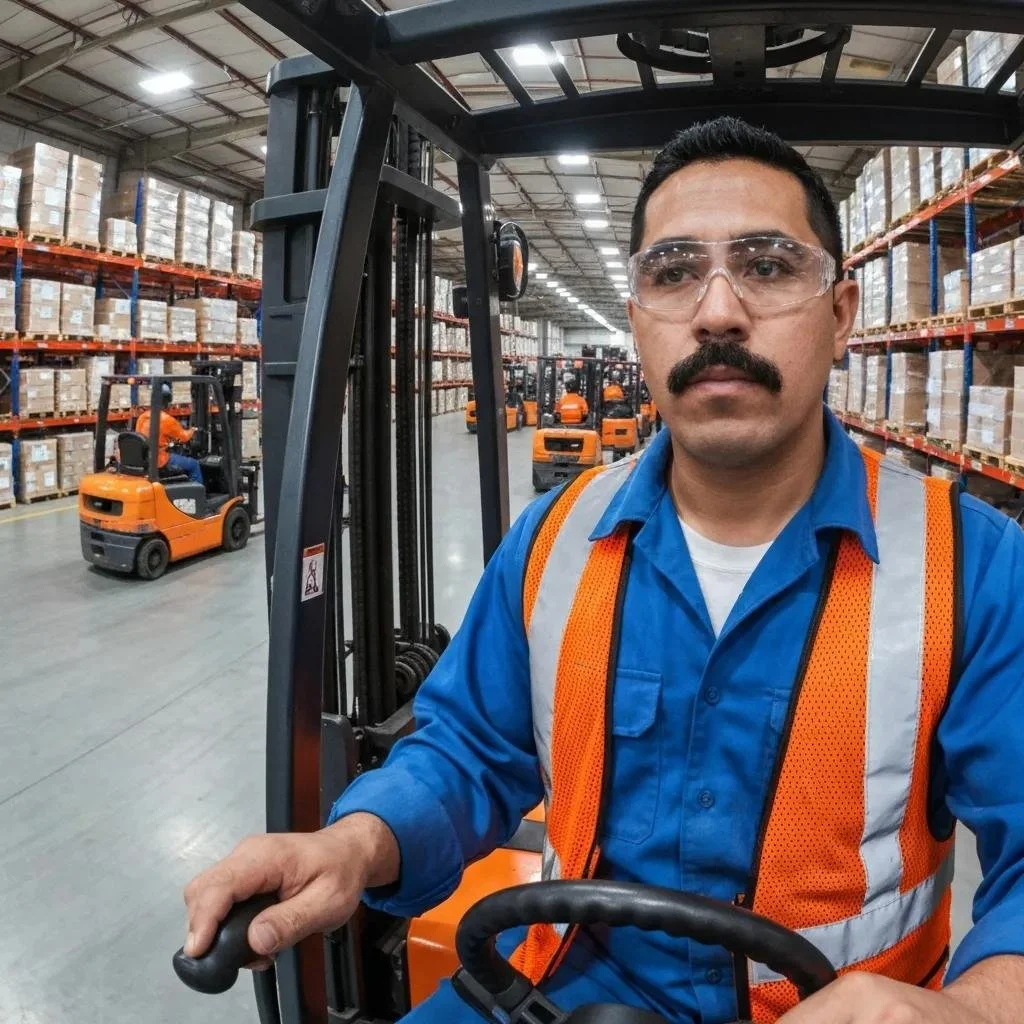
Written By : Darko Forklift accidents remain one of the most common sources of serious workplace injury in material handling environments, and reducing those incidents requires targeted, practical measures. This guide provides actionable tips for reducing forklift accidents, combining operator-focused practices, maintenance regimes, traffic management and cultural change so managers and operators can implement immediate controls and lasting improvements. Readers will learn how operator training, pre-shift inspections, preventative maintenance and warehouse layout adjustments each reduce risk, plus checklists and comparison tables to streamline implementation. The article maps the main areas you need: operator safety tips and certification, a maintenance checklist with inspection schedules, warehouse traffic management, load handling and stability, strategies to build a safety culture, and the common causes of incidents with direct prevention measures. Throughout, we use current research perspectives and semantic concepts like the stability triangle, preventative maintenance for electric forklifts, and pedestrian exclusion zones to make recommendations practical and measurable. What Are the Most Effective Forklift Operator Safety Tips? Operator safety combines correct behaviours, appropriate PPE and consistent pre-shift checks to prevent incidents before they occur. Skilled operators reduce risk because they understand load dynamics, sightlines and how stability changes with attachments; this knowledge directly lowers tip-over and struck-by incidents. Implementing structured checklists and reinforcing safe driving techniques yields measurable reductions in accidents and supports a dependable safety baseline across shifts. The following subsections unpack how training delivers these outcomes and what certification employers should expect to verify for safe operation. How Does Proper Operator Training Reduce Forklift Accidents? Proper training reduces forklift accidents by teaching operators how machines behave under load and how to recognise hazards before they escalate. Training mechanisms include hands-on competency checks, hazard recognition modules and emergency procedure drills that improve response times and decision-making under pressure. Outcomes of effective training are reduced near-miss rates, fewer improper lifts and clearer judgement on when to stop operations and seek assistance. These competencies feed directly into certification and refresher training cycles that keep skills current and aligned with workplace risks. What Are the Key Certification Requirements for Safe Forklift Operation? Certification requirements typically verify that an operator can perform pre-shift inspections, safely handle rated loads and demonstrate emergency stopping and load-lowering procedures. Employers should check that certificates document practical competency, not just classroom attendance, and that refresher training occurs every three years or after incidents, in line with OSHA and ANSI standards. A short employer checklist helps maintain compliance: verify practical assessment, confirm documented refresher dates and require recorded on-site inductions for new areas. Clear certification expectations reduce ambiguity and ensure operators meet consistent competency standards before solo operation. The next priority is ensuring machines stay mechanically sound through scheduled maintenance and inspections. How Can Regular Forklift Maintenance Prevent Accidents? Regular maintenance prevents accidents by identifying and fixing mechanical faults, such as worn brakes, leaking hydraulics or damaged mast components, before they cause failure during operation. Preventative maintenance reduces sudden breakdowns that can lead to tip-overs, load loss or loss of control, and it preserves critical safety devices like seatbelts and backup alarms. Implementing a maintenance programme with daily checks and scheduled servicing lowers downtime and the secondary costs associated with collisions and damaged stock. Below are practical maintenance details, a maintenance checklist table and scheduling guidance to make inspections systematic and effective. A comprehensive maintenance checklist focuses attention on the parts most likely to create risk if neglected; the table below compares inspection frequency and consequences. This maintenance comparison clarifies which systems carry the highest immediate risk and why routine checks are non-negotiable. Regularly tracking these items in a maintenance log helps supervisors spot trends and plan service interventions before failures occur. When the checklist identifies faults beyond in-house capability, engaging a professional service delivers deeper diagnostics and certified repairs. Wollongong Forklift offers maintenance and repair services tailored to a mixed fleet, covering petrol, diesel and electric forklifts as well as telehandlers and walkie stackers, so businesses in the Illawarra region can arrange scheduled inspections and fast repairs that reduce risk and downtime. Choosing a local service provider simplifies coordination for fleet servicing and supports a preventive maintenance contract that keeps inspection frequency consistent and documented. After maintenance planning, the focus moves to how warehouse layouts and traffic systems reduce collision risk. What Should a Comprehensive Forklift Maintenance Checklist Include? A comprehensive checklist ensures operators and technicians inspect both operational controls and structural components before use. Essential pre-shift items include lights, horn, seatbelt, steering responsiveness and tyre condition, while scheduled checks include brake pad wear, hydraulic hose integrity and battery charge management. Recording each check and noting corrective actions creates a traceable safety history that supports audit readiness and continuous improvement. A short checklist that is easy to complete and review encourages compliance and makes daily inspections part of routine shift handover. How Often Should Forklift Inspections and Repairs Be Conducted? Inspection frequency depends on utilisation, environment and machine type, but a baseline schedule works for most operations: daily pre-shift checks, weekly functional tests, monthly deeper inspections and annual professional servicing. Environments with heavy dust, corrosive materials or continuous shifts require shortened intervals and more frequent component replacement. Triggers for immediate repairs include abnormal noises, fluid leaks, visible structural damage or failed safety devices; these should remove the machine from service until cleared. Keeping a maintenance record enables data-driven decisions about inspection frequency and aids in identifying high-risk machines that need accelerated servicing. The next major area to address is how to design the workplace to separate traffic and protect pedestrians effectively. What Are Best Practices for Warehouse Forklift Safety and Traffic Management? Effective traffic management begins with a clear plan that segregates pedestrian and vehicle movements, defines speed limits and marks routes visually to reduce conflicts. Designing one-way aisles, designated crossing points and raised walkways decreases the chances of struck-by incidents and improves sightlines for operators. Signage, floor markings and physical barriers guide behaviour and make safety expectations unambiguous for everyone in the space. The following subsections outline layout strategies and
Local Forklift Sales in Wollongong: What to Consider for Service Options and Maintenance
Written By : Darko Choosing a forklift locally involves more than the initial purchase price; service options and maintenance plans determine uptime, safety and total cost of ownership over the machine’s life. This article explains how service choices, preventative maintenance, emergency repairs, full-service contracts, telematics and parts sourcing, affect productivity for Wollongong and Illawarra businesses, and shows what to check when comparing providers. You will learn which service contract types suit different use cases, the recommended maintenance schedules for electric, diesel and LPG forklifts, and practical daily and periodic inspection items that support compliance with Australian safety expectations. The guide also compares rent versus buy implications where maintenance responsibility and SLA coverage materially change budget predictability. Each H2 section below details actionable criteria, includes comparison tables and checklists, and highlights how local service capabilities and diagnostic tools reduce downtime for material handling equipment. Why Is Choosing the Right Forklift Service Provider in Wollongong Essential? Choosing the right local forklift service provider directly impacts machine uptime, workplace safety, regulatory compliance and lifecycle costs. Local providers shorten response times and maintain stock of genuine parts, which reduces repair lead times and helps keep forklifts available for production; this mechanism improves productivity and lowers unplanned repair expenses. Selecting a provider with technician qualifications and telematics diagnostic capability ensures faster fault isolation and better long-term reliability, producing measurable uptime gains. The following list summarises the most important selection factors to prioritise when evaluating suppliers. Local response time and mobile service capability to reduce downtime. Access to genuine parts and stockholding to maintain manufacturer specifications. Technician qualifications, manufacturer authorisations and telematics knowledge. Clear SLAs, transparent pricing and preventive maintenance scheduling. These factors together create service resilience for operations, and understanding them leads naturally into which certifications and local expertise to verify when choosing a provider. What Local Expertise and Certifications Should You Look for in a Forklift Service Provider? Local expertise and relevant certifications indicate that a provider can safely maintain diverse forklift types and meet manufacturer standards. Look for technicians with formal qualifications in material handling equipment maintenance, factory-authorised training for major brands, and experience across electric, diesel and LPG systems; these qualifications are signals that diagnostic and repair work will meet safety and warranty expectations. Verify experience with telehandler, walkie stacker and pallet truck models where relevant, since hydraulic and electrical systems can differ from counterbalance forklifts. Checking authorisation or training badges and asking about recent field experience provides evidence of competency, and that confidence leads into assessing parts availability and response-time commitments. How Do Response Times and Genuine Parts Impact Forklift Service Quality? Faster response times reduce lost production hours and limit secondary damage from continued operation with faults, while genuine parts preserve performance and safety margins over the asset’s life. A typical expectation for local response in the Illawarra is measured in business hours for non-critical work and same-day or next-business-day attendance for urgent breakdowns, with mobile vans able to perform common repairs on-site. Parts quality matters for components like hydraulic seals, electrical modules and battery cells where aftermarket substitutions can shorten intervals between failures and affect warranties. When negotiating SLAs, request clear response-time targets and confirmation that genuine parts will be used, because these commitments materially influence long-term maintenance costs and reliability. For practical local support, Wollongong Forklift is an independent Australian-owned dealer serving the Illawarra region and offers sales, hire and service across petrol, diesel and electric forklifts as well as telehandlers and pallet trucks. Their integrated offering includes mobile service capability and parts supply that can shorten repair lead times for local businesses. Relying on a provider with local stockholding and mobile technicians supports swift repairs and helps align service plans with operational schedules, which reduces downtime risks for production-critical fleets. What Types of Forklift Service Options Are Available for Buyers in Wollongong? Service options broadly fall into preventative maintenance, emergency (reactive) repairs and full-service or managed contracts, with on-site mobile servicing and workshop repairs as delivery modes. Preventative maintenance focuses on scheduled checks and component replacement to prevent breakdowns, emergency repair service provides rapid response to failures, and full-service contracts bundle routine maintenance, repairs and parts with agreed SLAs for predictable budgeting. On-site mobile service vans reduce transport downtime, while workshop servicing allows deeper diagnostics and heavier repairs; choosing between them depends on fleet size, criticality of uptime and cost preferences. The following EAV table compares these service types to make selection easier. Service type comparison for Wollongong buyers: This table highlights how different service types trade cost predictability against operational risk, and it leads into how preventative maintenance specifically improves longevity and safety. How Does Preventative Maintenance Improve Forklift Longevity and Safety? Preventative maintenance reduces the probability of catastrophic failures by routinely replacing wear items and checking critical systems before faults escalate. Typical tasks include fluid and filter changes, fork inspection, mast lubrication, brake checks, tyre condition assessment and battery health management for electric models, all of which directly reduce failure modes that cause downtime. Regular preventative work also supports operator safety by ensuring controls, lights and safety interlocks operate correctly and that regulatory inspection records are maintained. Implementing a preventive schedule and recording each service event enables trend analysis and targeted interventions, which in turn reduces repair costs over the fleet lifecycle. Understanding the long-term benefits of proactive maintenance is crucial for optimising a forklift fleet’s performance and cost-effectiveness. Efficient Forklift Utilisation, Cost, and Life Cycle Analysis for Businesses ABSTRACT: Forklifts are classified as indispensable equipment utilised in manufacturing and warehousing operations. This equipment contributes a significant percentage towards any warehouse and manufacturing operation. Industry surveys confirm that 94% of materials handling businesses do not have an accurate record of their forklift fleet. Inflated costs are usually incurred due to a lack of knowledge or little insight into the true drivers of forklift operating expenses, maintenance, life cycle, and efficient utilisation. A comprehensive study on all the abovementioned aspects affecting forklifts would prove beneficial in the long run for any business that utilises such
Essential Tips for Buying Used Forklifts: Your Complete Used Forklift Buying Guide
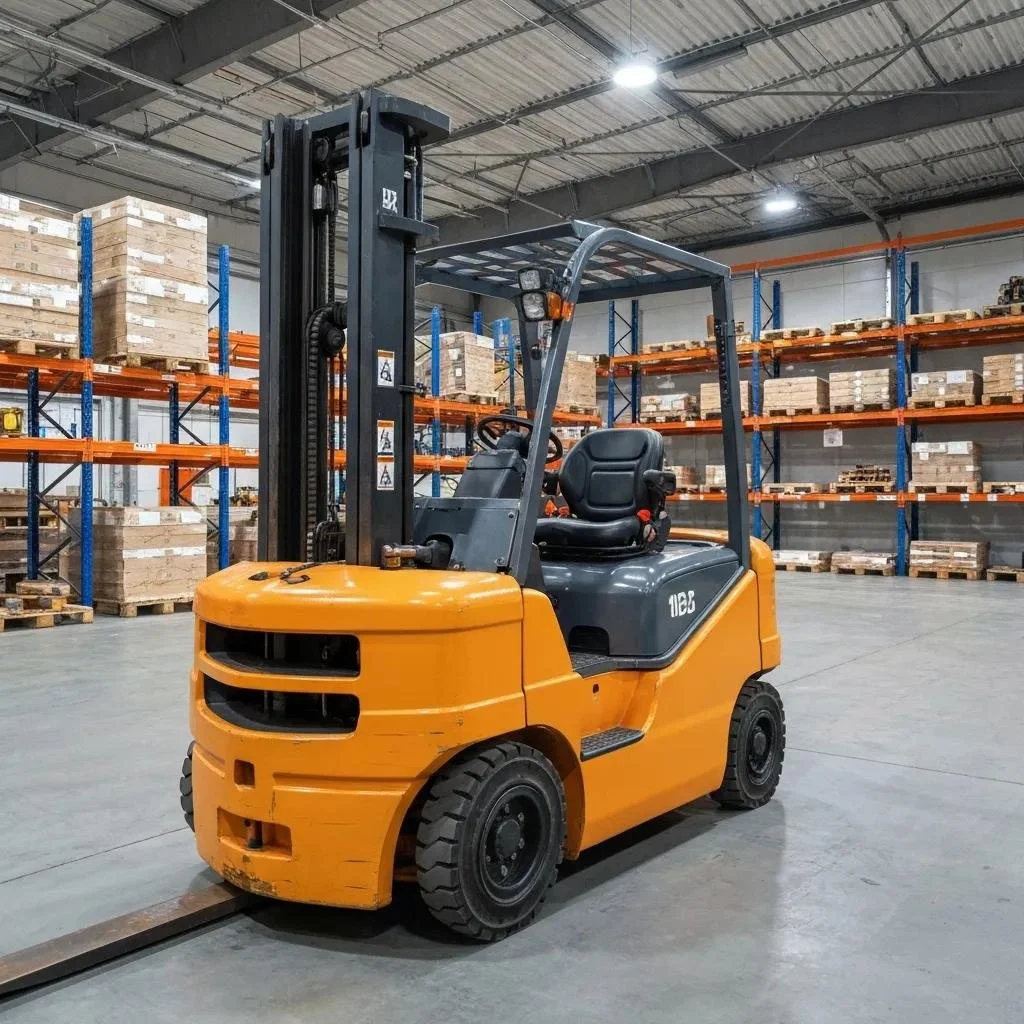
Written By : Darko Buying a used forklift requires more than a quick visual check; it demands a structured inspection, verification of service history, and practical budgeting to reduce risk and long-term costs. This guide explains what to look for when buying a used forklift, from visual wear points and power-source diagnostics to interpreting hour-meter readings and evaluating dealer transparency. Readers will learn a comprehensive inspection checklist, stepwise methods to assess batteries and engines, and how to weigh financing and after-sales support to protect operations. Practical sections cover safety and test-drive protocols, plus a comparison of electric, diesel and petrol models tailored to typical warehouse and outdoor uses. Use these steps and checklists to make confident purchases that balance upfront savings with predictable operating costs. Why Should You Consider Buying a Used Forklift? A used forklift is pre-owned material handling equipment that delivers immediate capacity with a lower purchase price and reduced depreciation compared with new units. Buying used works because many forklifts are replaced for fleet optimisation rather than end-of-life, so a well-maintained machine can continue delivering reliable service; the result is faster availability and improved return on investment. For businesses with predictable, single-shift workloads or seasonal demand, pre-owned forklifts often meet capacity needs without the capital outlay of new equipment, making them an efficient choice. The next section breaks these high-level benefits into concrete buyer considerations and cost comparisons to help you decide when used is the right option. What Are the Key Benefits of Purchasing a Pre-Owned Forklift? This subsection lists primary advantages to show practical value when choosing a used forklift. Lower Purchase Price: You pay significantly less up front than for new inventory, preserving working capital for operations. Reduced Early Depreciation: Most depreciation already occurred; resale value is more stable over the short term. Faster Availability: Used units are often available immediately, avoiding new-build lead times. These benefits translate into operational flexibility for businesses that prioritise cash flow and immediate capacity, and they lead naturally to a cost comparison that clarifies total savings. How Does Buying Used Forklifts Save Your Business Money? Understanding where the savings come from helps you compare total cost of ownership rather than just sticker price. Typical savings come from a lower initial outlay, reduced depreciation in the first two to three years, and the ability to delay major capital expenditure, which can improve cash flow and financing terms. When comparing offers, include insurance premiums, expected maintenance, potential battery replacement for electrics, and projected fuel or energy costs to compute a realistic two- to three-year cost picture. A short numeric example helps: if a new unit costs 100% and a comparable used unit is priced at 60–70%, even with slightly higher maintenance the total cost over two years often remains lower for the used option. Use this framework to balance immediate savings against projected operating expenses. An Analysis of Forklift Utilisation, Costs, and Life Cycle for Commercial Enterprises Forklifts are classified as indispensable equipment within manufacturing and warehousing operations, contributing a significant proportion to the overall operational expenditure of such facilities. Industry surveys indicate that 94% of materials handling businesses lack accurate records of their forklift fleets. Inflated costs are commonly incurred due to insufficient knowledge or limited insight into the true drivers of forklift operating expenses, maintenance requirements, life cycle, and efficient utilisation. Study on efficient forklift utilisation, cost & life cycle analysis, 2013 What To Check When Buying a Used Forklift: The Comprehensive Inspection Checklist A structured inspection checklist helps you prioritise critical systems and reduce buying risk by focusing on wear points, safety systems and power-source integrity. Start with a visual sweep, then move to power-system tests, hydraulic checks and an operational test under load; each step confirms whether documented history matches observed conditions. Use the checklist to generate targeted questions for the seller and to decide whether to involve a certified mechanic for a compression or battery load test. Below are visual inspection priorities and a quick reference table that summarises acceptable wear limits and pass/fail cues for common components. The following quick-reference table helps buyers interpret visible wear on major components during the first visual sweep. This table focuses inspection priorities so you can quickly eliminate unsafe or heavily worn units before deeper testing. Next, learn how to perform focused visual checks that reveal hidden issues. How Do You Visually Inspect Forklift Components Like Forks, Mast, and Tires? Visual inspection means looking for structural integrity, uneven wear, and signs of poor maintenance that predict future costs. Check forks for heel wear (measure thickness relative to original spec), inspect fork heels and tips for cracks or weld repairs, and ensure forks sit square in the carriage; cracked or welded forks are a safety hazard. Inspect the mast for straightness by sighting up the mast faces and checking roller movement; worn rollers or chain stretch often show as uneven mast travel and require service. Examine tyres for sidewall cuts, cord exposure or mismatched tyre types between axles, because tyre condition affects stability and operating cost. These visual checks set the stage for power-source testing and hydraulic inspections that follow. What Should You Look for in the Engine, Battery, and Power Source? Power-source checks differ by hyponym, used electric forklift versus diesel or petrol models, but the goal is the same: confirm that the source delivers rated performance without hidden defects. For electric units, look at battery age, visible terminal corrosion, and ask for recent capacity or load-test results; a failing battery can be the single most expensive replacement item. For petrol and diesel engines, note start-up behaviour, smoke on startup or under load, oil condition and signs of leaks, and listen for abnormal noises that indicate internal wear. Request records of major service items such as filter and fluid changes, and if possible perform a brief loaded run to check steady-state performance. These tests indicate whether immediate repairs are likely and help you price expected near-term maintenance. How Can You Evaluate the Operational History and Maintenance of
Electric vs Diesel Forklifts: Which One Suits You?
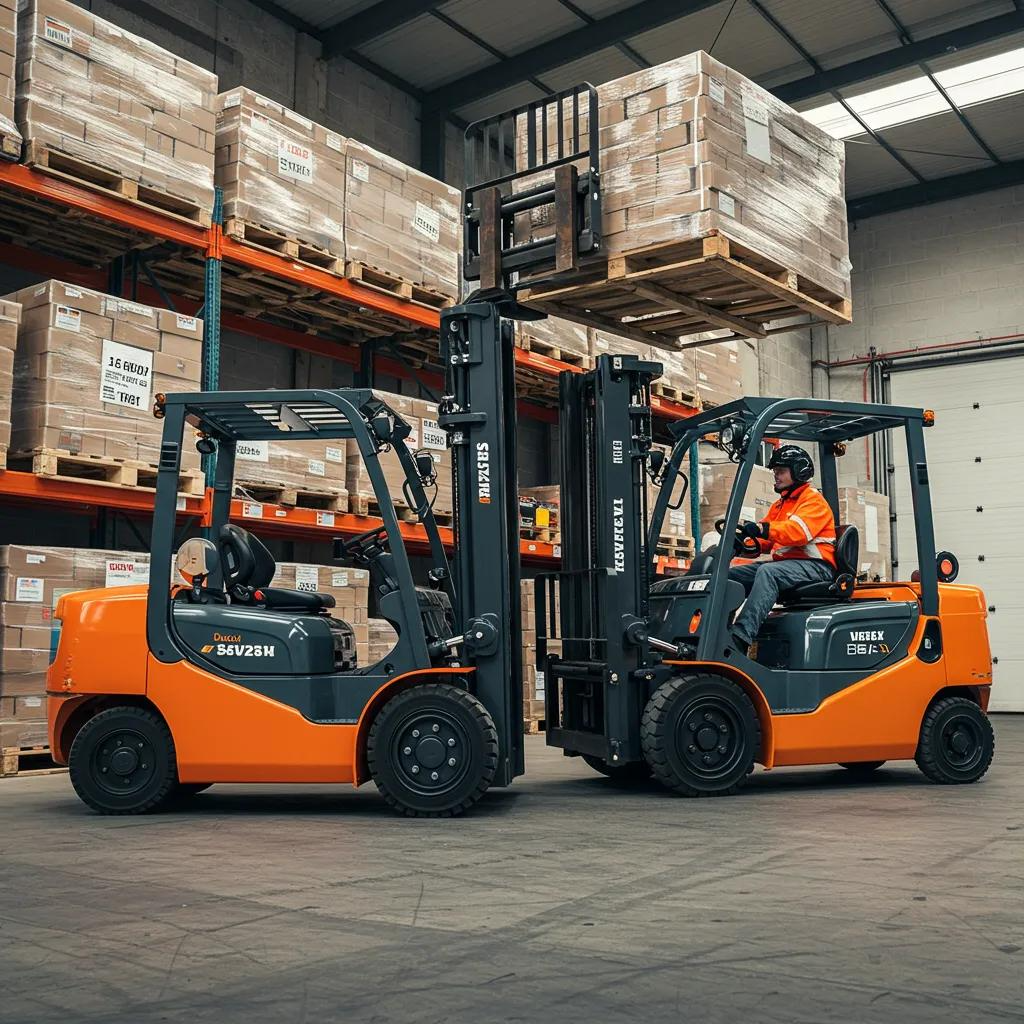
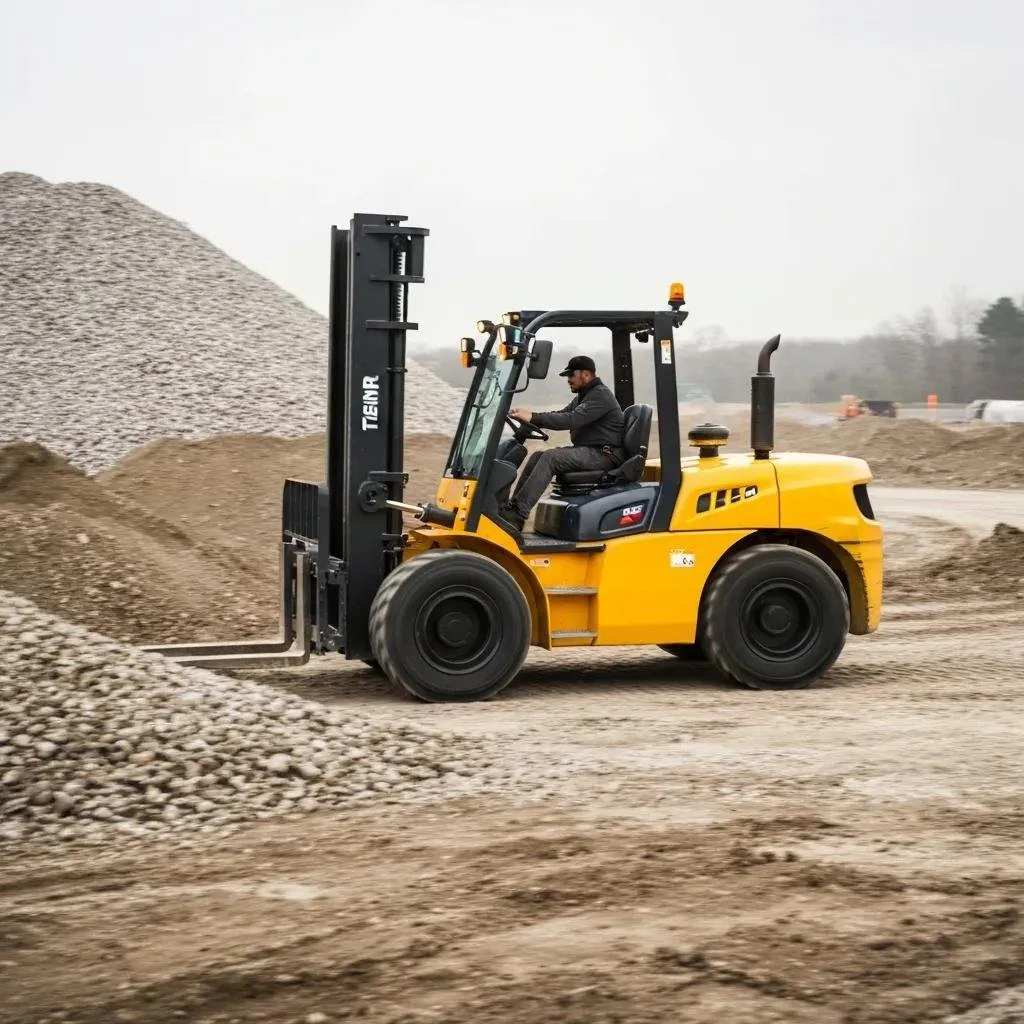
Written By : Darko Choosing between electric and diesel forklifts determines operating costs, workplace safety, environmental compliance, and the fit-for-purpose performance of your material handling fleet. This article explains what electric and diesel forklifts are, how they work, and why the right power choice matters for cost of ownership, indoor air quality, and outdoor heavy-duty tasks in the Illawarra and greater NSW context. You will learn the key advantages and limitations of each technology, how battery chemistry affects operations, a structured total cost of ownership (TCO) comparison, regulatory and sustainability considerations, and a practical decision checklist to match forklift type to your industry and shift patterns. The guide also covers recent innovations, from lithium-ion gains to hydrogen and automation trends, and answers common business questions to speed procurement or hire decisions. Throughout, we reference practical operational attributes like runtime, refuelling/charging strategies, maintenance profiles, and resale drivers so you can act on a clear technical and commercial framework. What Are the Key Advantages of Electric Forklifts? Electric forklifts use onboard batteries and electric motors to provide motive power, producing no tailpipe emissions and substantially lower noise. They operate with fewer mechanical components than internal combustion models, which reduces routine maintenance and part replacement needs while providing smoother torque delivery for delicate loads. For businesses prioritising indoor air quality, lower running costs, and quieter shifts, electric forklifts are often the preferred choice because they eliminate exhaust and can leverage off-peak electricity tariffs. Understanding these advantages helps weigh battery type, charging strategy, and duty cycle when comparing models. How Do Electric Forklifts Reduce Operating Costs and Emissions? Electric forklifts lower operating costs primarily through reduced energy and maintenance spend, and they remove onsite tailpipe emissions that require extra ventilation or operational controls. Electricity as an energy source simplifies refuelling logistics and removes fuel storage risks; fewer moving parts and no oil changes typically mean fewer service hours and lower parts spent. Emissions benefits are immediate onsite and improve with grid decarbonisation over time, reducing scope 1 and scope 2 footprints for corporate reporting. These operational savings are most pronounced in consistent indoor or predictable-shift environments where charging can be scheduled and battery health monitored. Environmental Life Cycle Assessment: Electric versus Diesel Forklifts The study demonstrated that utilising an electric forklift for the transport of 1 tonne of payload over a distance of 1 kilometre results in a significantly lower environmental impact compared to using one of the selected internal combustion engine-powered forklifts. Forklifts powered by liquefied petroleum gas (LPG) engines exhibit a significantly higher environmental impact, whilst the use of diesel engine vehicles shows an impact several times lower. In the case of unladen journeys, where the functional unit was defined as covering a 1-kilometre distance with no vehicle load, a lower impact was also observed for electric vehicles. The analysis encompasses the influences of upstream processes in fuel and electrical energy production. An environmental life cycle assessment of forklift operation: a well-to-wheel analysis, P Fuc, 2016 What Are the Benefits of Lithium-ion vs Lead-acid Batteries in Electric Forklifts? Battery chemistry strongly affects charge time, lifecycle, maintenance, and operational flexibility between shifts, with lithium-ion and lead-acid the primary options in many warehouses. Lithium-ion batteries offer faster opportunity charging, higher usable energy density, lower routine watering or equalisation demands, and a longer useful cycle life, which reduces downtime and total lifecycle maintenance. Lead-acid batteries generally have lower upfront cost and are widely supported for swap-out programmes, but they require scheduled watering, full-charge cycles, and staged maintenance that can increase labour requirements. Choosing between them depends on your shift patterns, charger availability, and willingness to invest in fast-charging infrastructure or battery-swap workflows. This comparison shows lithium-ion favours throughput and lower operational downtime, while lead-acid can reduce initial capital outlay at the expense of maintenance overhead. Which Applications Are Best Suited for Electric Forklifts? Electric forklifts excel in indoor environments where emissions, noise, and precise manoeuvring are critical considerations, including warehousing, retail loading docks, cold storage, and food handling facilities. They are also suitable in multi-purpose indoor yards and manufacturing lines where operator comfort and reduced vibration improve safety and throughput. Environments with reliable charging infrastructure or predictable single-shift patterns benefit most from battery-powered fleets. Recognising these application fitments clarifies when an electric model will support productivity and compliance goals versus when an alternative is necessary. What Are the Common Disadvantages of Electric Forklifts? Electric forklifts can carry higher upfront purchase costs for comparable power and may be limited by charging infrastructure, battery replacement timing, and suitability for rough outdoor terrain. Charging downtime or inadequate charger planning can create operational bottlenecks for multi-shift operations unless you adopt battery-swap, fast-charge lithium-ion, or additional battery inventory strategies. Heavy-duty continuous outdoor use on uneven ground typically favours combustion options for traction and sustained power delivery. Businesses can mitigate many disadvantages through proper duty-cycle analysis, investment in lithium-ion charging strategies, and flexible hire arrangements for peak periods. What Are the Main Advantages of Diesel Forklifts? Diesel forklifts use internal combustion engines to deliver continuous high torque and long operating ranges, making them well suited for outdoor, heavy-duty, and uneven-terrain tasks. They offer rapid refuelling, robust endurance in long shifts, and are available in higher capacity bands for demanding loads where sustained power is required. For sites lacking charging infrastructure or with intermittent outdoor operations, diesel models often deliver better utilisation and simpler logistics around refuelling. Understanding these strengths clarifies why diesel remains prevalent in construction, ports, quarries, and heavy manufacturing. How Do Diesel Forklifts Perform in Outdoor and Heavy-Duty Environments? Diesel forklifts sustain continuous heavy loads and operate reliably on uneven terrain, gravel, and unsealed surfaces where traction and engine torque become critical to safe material handling. Their cooling, filtration, and drivetrain designs tolerate dust and harsher site conditions better than many electric units, reducing downtime in remote or rugged settings. Quick refuelling and long per-tank ranges minimise interruptions on long shifts and remote deployment. However, these performance benefits must be balanced against emissions, noise, and ventilation requirements when
Advantages of Choosing Used Forklifts Over New Models: Key Benefits for Wollongong Businesses
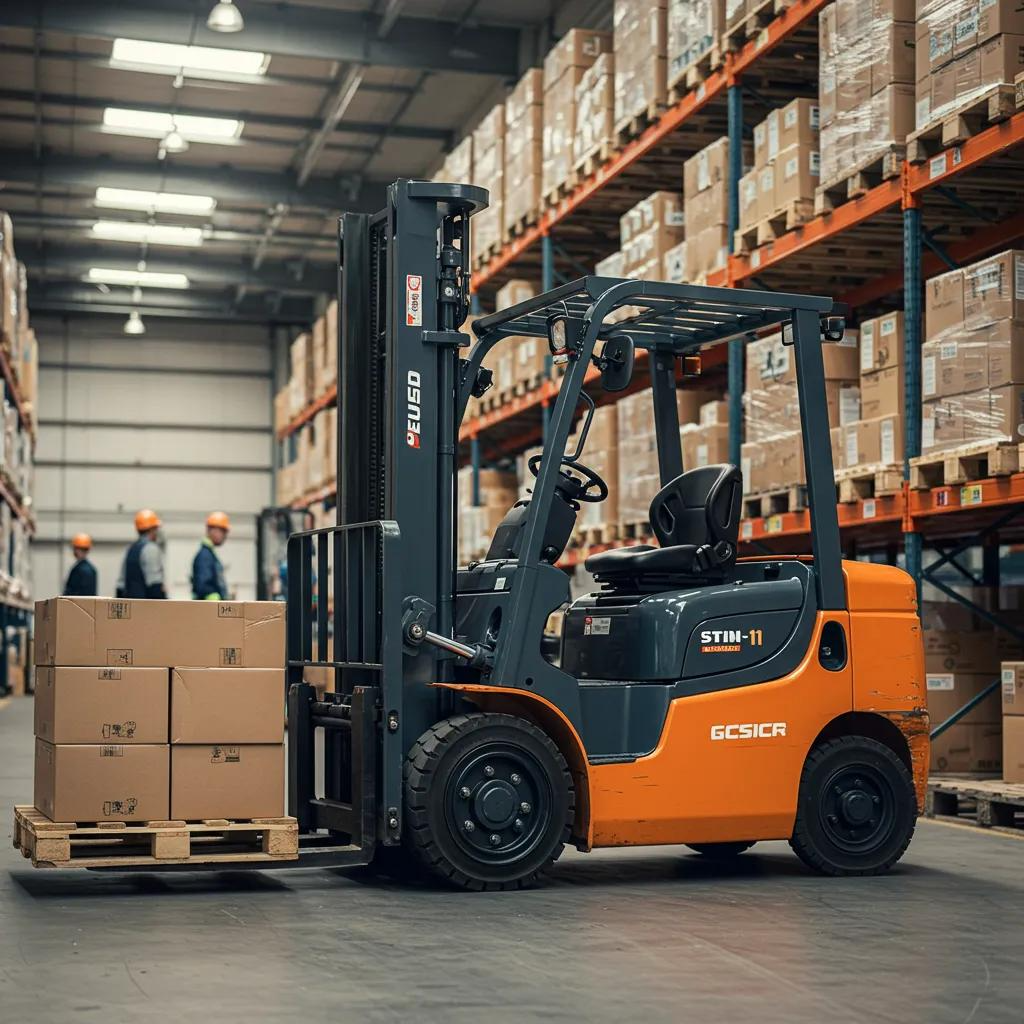
Written By : Darko Businesses in Wollongong can unlock substantial value by selecting used forklifts instead of new models. Used forklifts deliver immediate savings, faster deployment, proven reliability and lower total ownership costs compared to brand-new equipment. This guide examines cost savings, availability, durability, maintenance advantages, environmental impact, selection criteria, myth-busting and how Wollongong Forklift supports local enterprises in choosing the ideal pre-owned machine. What Are the Main Cost Savings When Buying a Used Forklift? Purchasing a used forklift offers significant upfront savings and reduced depreciation, enhancing budget efficiency for Wollongong operations. Definition + Mechanism + Benefit: A pre-owned forklift is priced at 40–60 percent of a new machine, allowing businesses to allocate capital elsewhere while maintaining operational capacity. For example, a 2-tonne diesel forklift may cost $20,000 used versus $40,000 new, freeing funds for warehousing or safety upgrades. Below is a breakdown of typical cost components for new and pre-owned forklifts in Australia: This cost table illustrates how used forklifts deliver 45–55 percent savings on core expenses, enabling businesses to improve cash flow and reinvest in growth. How Does Depreciation Affect Used vs New Forklift Prices? Depreciation drives most of the price gap between new and used forklifts. New machines lose 15–20 percent of their value in the first year, whereas a two-year-old forklift has a flatter depreciation curve, preserving more of its purchase price. This dynamic reduces financial risk, as pre-owned equipment retains value longer and supports better asset recovery when resold. What Is the Total Cost of Ownership for Used Forklifts in Australia? Total Cost of Ownership (TCO) encompasses purchase price, fuel, maintenance, insurance and resale value. A used electric forklift in Australia typically incurs 30 percent lower TCO over five years than a new one, thanks to reduced financing and slower value decline. When Wollongong Forklift provides maintenance plans, the predictability of servicing costs further optimises ownership budgets. Understanding the total cost of ownership is crucial for long-term financial planning and operational efficiency. Forklift Costs and Efficiency: A Life Cycle Analysis for Commercial Enterprises Inflated costs are typically incurred due to a lack of knowledge or insufficient insight into the true drivers of forklift operating expenses, maintenance, life cycle, and efficient utilisation. A comprehensive study encompassing all the aforementioned aspects affecting forklifts would prove beneficial in the long term for any business that utilises such a fleet. This project will aim to assist Sasol Dyno Nobel in developing models and providing recommendations for: * Effective utilisation and operational efficiency of forklifts * Allocation of forklifts to the respective departments within the Sasol Dyno site * Maintenance and servicing of forklifts * Cost and life cycle Study on efficient forklift utilization, cost & life cycle analysis, 2013 How Do Flexible Financing Options Enhance Used Forklift Affordability? Flexible financing reduces upfront capital requirements and spreads costs over operational lifecycles. Wollongong Forklift collaborates with lenders to offer tailored lease and loan arrangements on pre-owned machines. Structured repayment schedules and lower interest rates for smaller loan amounts enhance affordability, allowing businesses to preserve working capital. Why Is Immediate Availability a Major Advantage of Used Forklifts? Immediate availability lets companies respond to urgent material handling needs without lengthy manufacturing lead times. A ready-to-deploy used forklift can be operational within days, compared to 8–12 weeks for a custom-spec new model. This rapid delivery accelerates productivity and minimises downtime in fast-paced warehousing or construction projects. How Do Used Forklifts Reduce Lead Times Compared to New Models? Pre-owned forklifts in local stock eliminate wait times for chassis build, shipping and dealer prep. Wollongong Forklift maintains an inventory of inspected machines, ensuring that businesses gain equipment quickly when demand spikes. Faster lead times translate into uninterrupted workflows and immediate return on investment. What Are the Benefits of Quick Delivery for Wollongong Businesses? Quick delivery supports seasonal demand surges, project deadlines and unexpected equipment failures. By deploying a used forklift within 48–72 hours, businesses avoid rental costs and productivity losses. This speed aligns with Just-In-Time inventory needs, enhancing operational agility and reducing reliance on third-party hire. How Reliable and Durable Are Used Forklifts Compared to New Ones? Used forklifts often outperform expectations when sourced from reputable dealers and subjected to refurbishment. Definition + Mechanism + Benefit: Rigorous inspections and component rebuilds restore performance to near-new levels, offering durable handling capacity at a fraction of the new-unit cost. This structured refurbishment ensures used forklifts maintain high reliability, matching the performance standards required in daily operations. What Inspection and Refurbishment Processes Ensure Used Forklift Reliability? An advanced inspection process identifies wear on critical components, followed by targeted refurbishment such as seal replacements and hydraulic fluid flushing. Wollongong Forklift’s certified technicians verify load-testing results, calibrate safety features and apply manufacturer-approved parts, guaranteeing reliability equivalent to new models. How Long Can a Well-Maintained Used Forklift Last in Operation? With scheduled servicing and genuine replacement parts, a pre-owned forklift can exceed 15 000 operating hours, often extending to 20 000 hours under optimal conditions. Regular oil analysis, battery checks and brake inspections sustain performance and prolong machine lifespan by up to 30 percent. Are Used Forklifts Safe and Efficient for Daily Material Handling? Yes, refurbished forklifts adhere to safety regulations and operate at peak efficiency. After inspection, each unit undergoes compliance testing, ensuring that brakes, lights and warning systems meet industry standards. Efficient hydraulics and maintained engines support smooth cycle rates, contributing to productivity gains. What Maintenance Advantages Do Used Forklifts Offer? Pre-owned forklifts benefit from mature parts availability and established service protocols. Definition + Mechanism + Benefit: Established production runs for older models mean spare parts are abundant and affordable, reducing repair turnaround and inventory costs. How Does Parts Availability Impact Used Forklift Servicing? Common components for well-known brands remain in circulation long after manufacture, streamlining parts sourcing and minimising downtime. Wollongong Forklift stocks genuine filters, seals and wear items for popular models, ensuring that replacement lead times are measured in hours, not weeks. What Are the Typical Maintenance Costs for Pre-Owned Forklifts? Maintenance on
Best Forklifts for Streamlined Warehouse Operations: How to Choose and Optimise Efficiency
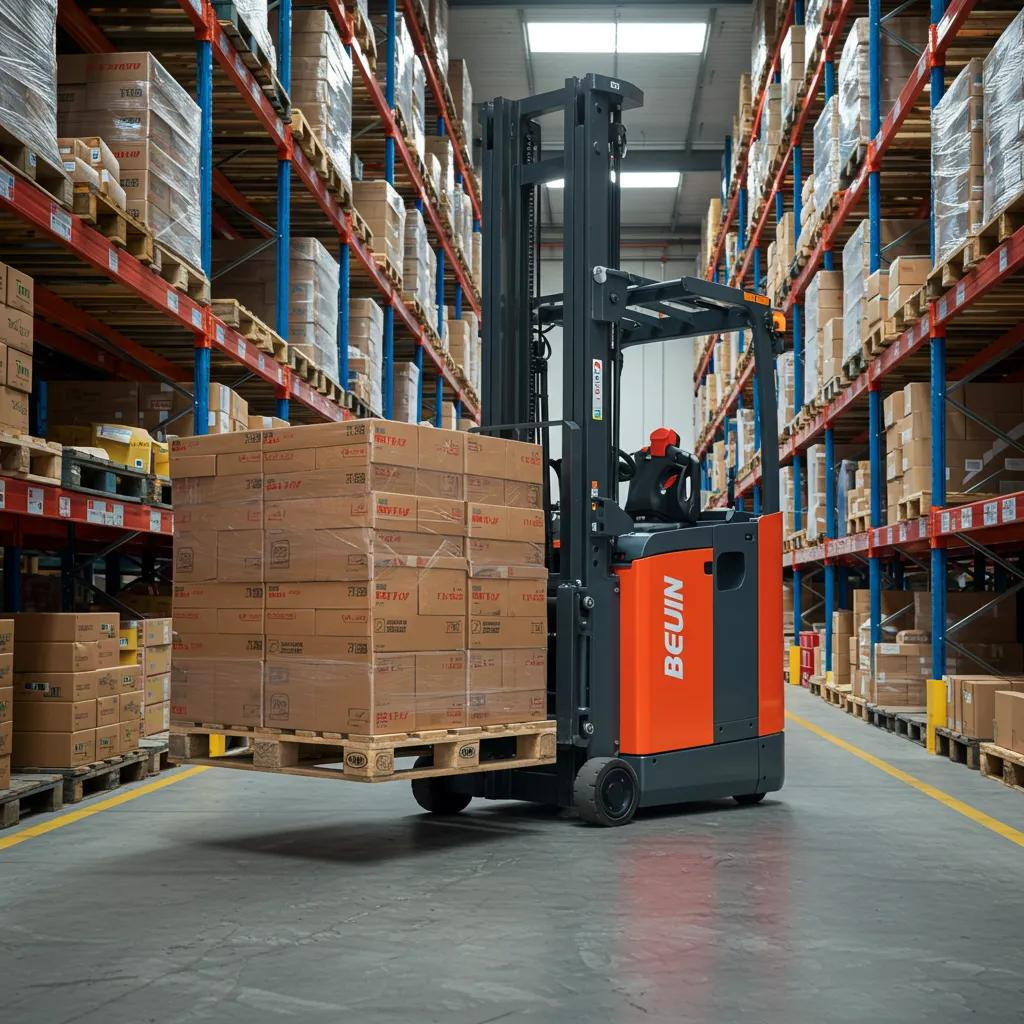
Written By : Darko Efficient warehouse operations hinge on selecting the best forklifts for warehouse operations, combining speed, precision, and cost-effectiveness. Streamlined material handling reduces downtime and labour costs while boosting throughput, and choosing the right lift truck is the first step towards greater productivity. This guide examines key forklift types, operational factors, selection criteria, electric-power benefits, narrow-aisle solutions, local offerings from Wollongong Forklift, and emerging trends shaping warehouse fleets in 2025. You will learn which machine suits indoor tasks, how layout and automation enhance flow, what load capacities matter, and why electric lifts deliver sustainable savings. By weaving practical advice with industry insights and Wollongong Forklift’s tailored solutions, you can streamline operations and achieve long-term efficiency gains. What Are the Key Forklift Types for Efficient Warehouse Operations? Forklift types differ by power source, chassis design, and application. Understanding each category ensures you deploy the right equipment for tasks ranging from high-reach pallet stacking to rapid short-haul handling, with clear advantages for productivity and safety. Below is a comparison of major forklift classes that drive streamlined warehouse operations. This table highlights how each forklift type brings distinct advantages. Next, we explore the best electric models for indoor efficiency and sustainability. Which Electric Forklifts Are Best for Indoor Warehouse Efficiency? Electric forklifts run on batteries, providing clean operation and low noise, which enhances indoor air quality and operator comfort. Their regenerative braking systems convert kinetic energy into stored charge, reducing energy costs. For high-turnover warehouses, electric counterbalance models support up to 3-ton loads with swift acceleration and precise steering. This reliable performance positions electric lifts as the leading choice for facilities aiming to reduce emissions and maintenance downtime. How Do Narrow Aisle and Reach Trucks Optimise Warehouse Space? Narrow aisle and reach trucks pair slim frames with extending forks to access high racking in tight aisles. By operating in aisles as narrow as 1.6 metres, they increase usable floor space by up to 30 percent. Reach mechanisms move loads into deep racks without repositioning, reducing travel time between picks. Such manoeuvrability enables denser inventory layouts and faster order fulfilment. What Are the Advantages of Counterbalance Forklifts in Warehousing? Counterbalance forklifts feature weight distribution that negates the need for front stabilisers, allowing swift loading and unloading at racking bays. They excel at handling palletised goods and heavy crates, with lift heights up to 7 metres. Their simplicity and versatility make them suitable for both indoor and outdoor tasks, promoting workflow continuity across loading docks and storage zones. When Should You Use Pallet Trucks and Walkie Stackers for Material Handling? Pallet trucks and walkie stackers specialise in short-haul and light-weight transfers. Walk-behind pallet trucks excel in low-ceiling environments and confined spaces, moving up to 2 tonnes. Walkie stackers add lift masts for light stacking tasks up to 4 metres. These compact units reduce operator fatigue and speed repetitive moves between picking stations and packing lines. How Do Telehandlers and Specialised Forklifts Meet Diverse Warehouse Needs? Telehandlers combine lifting booms with chassis mobility to handle bulky or irregular loads at varied heights. With attachments such as jibs or work platforms, they serve outdoor loading, maintenance access, and site jobs. Specialised forklifts, order pickers, side loaders, or rough-terrain variants, address niche requirements like multi-level picking, long-item transport, and yard operations, ensuring tailored solutions across warehousing environments. How Can Forklifts Improve Warehouse Efficiency and Streamline Operations? Forklifts improve warehouse efficiency by accelerating material flow, reducing manual effort, and enabling high stacking density. They cut cycle times, minimise handling errors, and support just-in-time processes. Key factors that affect these gains include layout design, automation, safety protocols, and maintenance regimes. The list below summarises the core areas where forklifts drive streamlined operations: Warehouse layout optimisation through traffic flow planning. Integration of telematics and automation for route efficiency. Enforcement of safety protocols to reduce accidents. Scheduled maintenance to prevent unplanned downtime. By addressing these elements, businesses achieve consistent throughput and operational resilience. Next, we examine layout considerations that influence forklift manoeuvrability. What Warehouse Layout Factors Affect Forklift Maneuverability? A well-designed layout accounts for aisle widths, turning radii, and staging zones. Wider cross aisles enable smooth direction changes, while racking heights align with lift capabilities. Clear markings and designated forklift lanes reduce congestion. Incorporating buffer spaces at loading docks prevents bottlenecks during peak operations and supports uninterrupted travel. How Does Automation and Smart Forklift Technology Enhance Efficiency? Smart forklifts equipped with telematics systems collect real-time data on usage, routes, and battery health. Automated guided vehicles (AGVs) follow programmed paths for repetitive tasks, freeing operators for complex assignments. Collision-avoidance sensors and fleet-management software synchronise movements, reducing idle times and optimising energy consumption across multiple shifts. What Are the Essential Forklift Safety Protocols for Streamlined Warehouses? Safety protocols begin with operator training on load handling, stability principles, and emergency procedures. Regular inspections of forks, mast chains, and hydraulic systems prevent malfunctions. Speed limits, pedestrian exclusion zones, and audible warning systems safeguard transit. An emphasis on proactive hazard identification reduces incidents and maintains a reliable workflow. How Does Regular Maintenance Extend Forklift Longevity and Performance? Preventive maintenance checks, battery water levels, tyre wear, brake integrity, ensure peak performance. Scheduled servicing minimises component failures and prolongs asset life by up to 40 percent. Lubrication of moving parts and diagnostic scans detect issues before they escalate. A robust maintenance plan sustains uptime and supports continuous efficiency improvements. How to Choose the Best Forklift for Your Warehouse Needs? Choosing the best forklift involves assessing operational demands, cost parameters, and facility constraints. Key criteria include load capacity, lift height, fuel type, aisle width compatibility, and attachment options. Evaluating purchase versus hire adds a financial dimension, balancing capital outlay against flexibility. This comparison clarifies how fuel choices influence performance and total cost of ownership. Next, we explore each selection factor in detail. What Load Capacity and Lift Height Should You Consider? Load capacity defines the maximum weight a forklift can raise safely; common ratings range from 1.5 to 5 tonnes for warehouse use. Lift height determines access