Written By: Darko
When businesses in Wollongong face decisions regarding forklift options, understanding the nuances between hiring and purchasing can be crucial. This guide offers invaluable insights for local businesses and warehouses trying to determine the best fit for their operational needs. With varied factors such as cost, flexibility, and maintenance responsibilities at play, it’s essential to explore these elements thoroughly. We will delve into financial analysis, operational benefits, and maintenance considerations, while also highlighting local services that can aid decision-making, creating a holistic view of forklift management in Wollongong. By the end, readers will be better equipped to navigate the key considerations surrounding forklift hire versus purchase.
Cost Analysis
A comprehensive look at the cost implications of forklift hire versus purchase reveals essential factors that affect a business’s bottom line. Hiring a forklift typically requires a lower initial capital outlay, making it an attractive option for businesses seeking to minimise upfront expenses. In contrast, purchasing a forklift entails a significant upfront investment that businesses must consider, alongside long-term financial commitments such as maintenance and repairs.
It’s important to assess not only the immediate costs but also the long-term implications associated with each option. Rental agreements often include maintenance, which can further reduce the operational burden on a business.
| Cost Aspect | Hiring a Forklift | Buying a Forklift |
|---|---|---|
| Initial Costs | Lower upfront costs | Higher upfront investment |
| Maintenance Costs | Typically included | Fully borne by the owner |
| Depreciation | No depreciation impact | Significant asset depreciation |
This table illustrates the fundamental cost differences, paving the way for more informed decisions.
Operational Benefits
The decision between hiring and purchasing a forklift should also consider operational flexibility. Forklift hiring provides businesses the ability to scale their equipment needs based on project demands. This option is particularly advantageous for businesses with fluctuating workloads, allowing them to access the latest equipment without long-term commitments. In contrast, buying a forklift locks a business into specific equipment, which may not serve varying operational levels effectively.
Hiring fosters a dynamic environment in which equipment can be updated regularly to keep pace with technological advancements. Local service providers in Wollongong often offer tailored solutions to ensure businesses have access to modern models that enhance efficiency and productivity.
Advantages of Hiring
- Flexibility: Hiring allows businesses to adjust equipment quantities as needed.
- Access to Modern Equipment: Many rental services feature the latest models, offering improved performance.
- Scalability: Adapt to changing project requirements without the long-term financial commitment.
These operational benefits illustrate why many businesses may prefer hiring over purchasing a forklift.
Long-term Commitments of Purchasing
Conversely, businesses that opt to purchase forklifts often gain critical advantages over time. Owning equipment allows for a sense of stability and predictability in budgeting, especially in companies with consistent operational needs. Additionally, assets accumulate over time, contributing to the company’s equity.
Maintenance Considerations
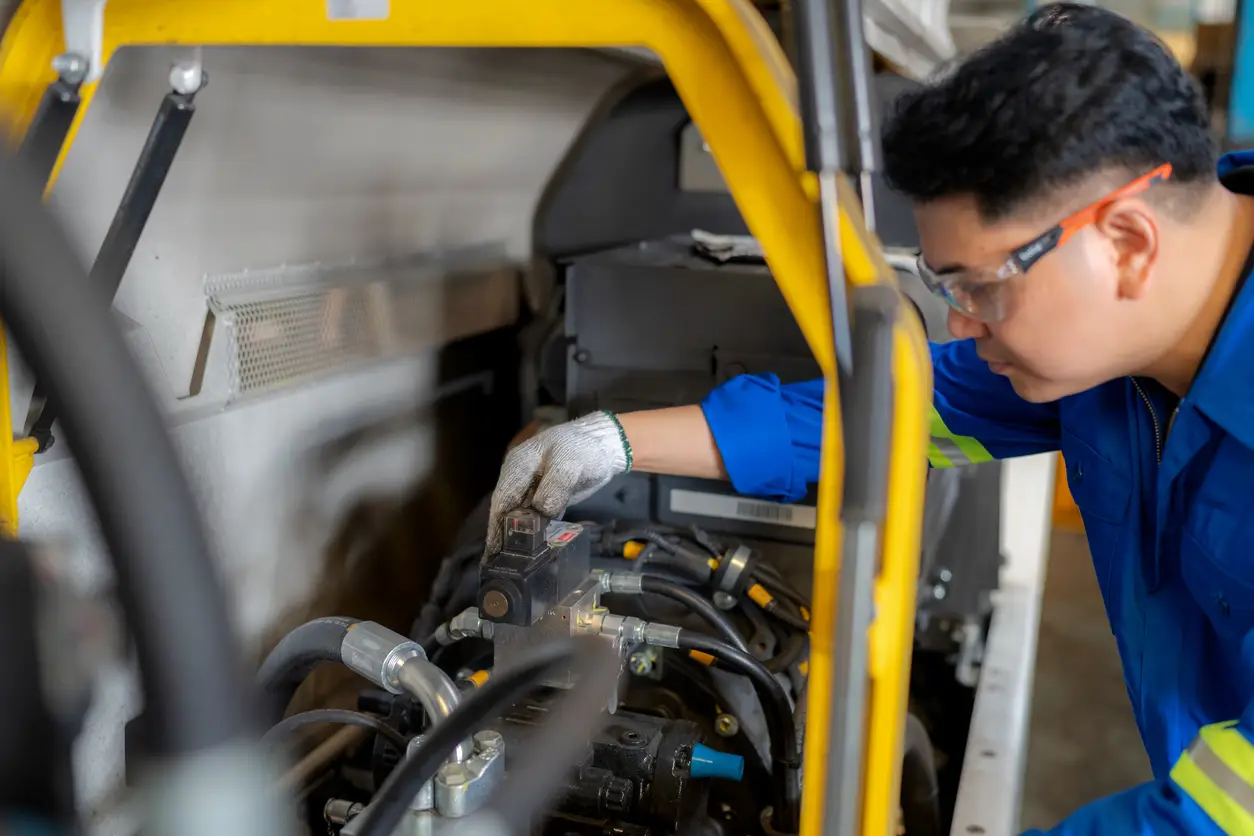
Maintenance responsibilities can significantly impact the decision to hire or purchase a forklift. Typically, maintenance obligations for hired equipment fall on the rental providers, alleviating the owner’s logistical and financial burdens. In contrast, companies that own their forklifts must handle all upkeep, which includes regular servicing, repairs, and parts replacements.
Understanding the implications of maintenance helps businesses evaluate total cost of ownership. The efficiency and reliability of equipment directly correlate to how well it is maintained, affecting downtime and operational efficiency.
Maintenance Responsibilities for Hire Providers
Rental companies are often responsible for servicing equipment, ensuring it meets safety and operational standards. This arrangement not only provides peace of mind but also enhances productivity by minimising downtime.
Owner Responsibilities for Purchased Forklifts
Owners need to develop a robust maintenance plan to uphold their equipment’s operational integrity. Considerations such as service frequency, spare parts inventory, and budget allocations for unplanned repairs are crucial.
Factors Influencing the Decision to Hire or Purchase
Several factors influence whether a business should hire or buy a forklift. Critical aspects include usage hours, operating conditions, and the company’s cash position. For instance, if a forklift is subjected to high daily utilisation, purchasing may be more financially advantageous in the long term.
In contrast, companies focusing on temporary or project-based needs may find hiring to be the more suitable choice. Understanding these parameters helps businesses align their operational strategy with their financial capabilities.
Key Decision Factors
- Usage Hours: High daily utilisation favours purchasing.
- Operating Conditions: Harsh conditions may necessitate more advanced equipment and repairs.
- Cash Position: Businesses with tighter capital may prefer the lower upfront costs of hiring.
What Are the Key Cost Differences Between Forklift Hire and Purchase in Wollongong?
In Wollongong, businesses must carefully evaluate the key cost differences between hiring and purchasing forklifts. Hiring generally requires lower upfront expenditure, making it an appealing option for smaller or project-driven companies. Conversely, owning a forklift represents a long-term investment with specific financial implications regarding depreciation and maintenance.
Understanding these differences is critical to making an informed decision that aligns with the company’s operational needs.
How Does Forklift Hire Provide Flexibility and Reduced Capital Expenditure?
Forklift hire allows businesses to maintain lower capital expenditures while offering essential flexibility in managing their fleet. Renting can eliminate significant upfront investments, allowing companies to redirect funds to other operational facets. Tailored rental agreements are available, providing predictable operating costs amidst varying project requirements.
This rental model benefits companies aiming to maximise operational efficiency while maintaining access to modern equipment without the burden of long-term ownership.
Tailored Rental Agreements
Local forklift hire services often tailor agreements to fit specific project timelines, ensuring that businesses incur no unnecessary costs.
Predictable Operating Costs
Rental models can help businesses achieve predictable monthly rates, thus easing financial forecasts and aiding budget management.
What Are the Long-Term Financial Advantages of Buying a Forklift?
While the initial costs of purchasing a forklift may be high, there are notable long-term financial benefits. For regular use, owning a forklift can prove more economical over time. Companies gain valuable assets that contribute to their overall capital, translating into improved cash flow in the future.
Purchasing also enables businesses to predict costs with greater accuracy, avoiding the fluctuations often associated with rental agreements.
Which Forklift Types and Fuel Options Suit Wollongong Warehouses Best?
The choice of forklift types and fuel options is crucial for optimising operational efficiency in Wollongong warehouses. Operational conditions dictate the suitability of electric, diesel, or LPG forklifts.
Performance Characteristics of Electric, Diesel, and LPG Forklifts
- Electric Forklifts: Ideal for indoor applications, offering zero emissions and low noise levels.
- Diesel Forklifts: Best suited for outdoor and heavy-duty operations with robust performance.
- LPG Forklifts: Versatile options that can function in both indoor and outdoor applications.
The selection of the right forklift type based on these characteristics can significantly enhance operational effectiveness.
What Forklift Hire Services and Contract Types Are Available in Wollongong?
Wollongong businesses can benefit from various forklift hire services tailored to different needs. Options include short-term and long-term hire contracts, providing flexibility to cater to specific operational demands.
Types of Services Offered by Rental Providers
- Short-Term Rentals: Ideal for temporary projects
- Long-Term Rentals: Suitable for ongoing operational needs
- Flexible Contract Terms: Tailored to the unique needs of businesses
These varying services afford businesses in Wollongong the flexibility necessary for effective logistics management.
Where Can Wollongong Businesses Buy New and Used Forklifts with Financing Options?
For businesses looking to purchase forklifts in Wollongong, several local dealers provide new and used equipment paired with financing options. Understanding the differences between new and used purchases can help businesses make informed choices, especially concerning warranty and service considerations.
Local Dealers and Financing Options
Businesses should evaluate local dealers that offer financing plans, which can make purchasing more feasible without immediate financial strain.
How Does Local Forklift Maintenance Affect Hire and Ownership Decisions in Wollongong?
Maintenance plays a vital role in deciding between hiring and owning a forklift, especially regarding the availability of local services. Regular scheduled maintenance impacts rental costs and overall operational efficiency significantly.
Scheduled Maintenance Impacts Rental Costs
Taking advantage of local maintenance services can help reduce unexpected costs associated with equipment rentals and ownership, enhancing overall efficiency by ensuring reliable performance.
Emergency Repairs Considerations
Understanding local expertise advantages in management protocols ensures businesses are prepared for any emergency repairs, benefiting from reduced downtime.
What Are the Common FAQs on Forklift Hire vs Buy Decisions for Wollongong Warehouses?
Various frequently asked questions arise as businesses consider their forklift options. Clarifying misconceptions about hiring versus purchasing forklifts aids in making more informed decisions.
- How much does it cost to hire a forklift for a month?
- What types of forklifts are available for hire?
- How does maintenance vary between hired and owned forklifts?
These points clarify common queries, ensuring businesses can navigate their options effectively.
What Recent Industry Trends Impact Forklift Hire and Purchase in NSW for 2024-2026?
As forklift services continue to evolve, businesses must stay informed about industry trends that could impact decisions around hiring or purchasing. Economic trends, technological advancements in forklift design, and predictions for the hire and purchase market can influence decision-making processes.
Economic Trends Impacting Industry
Current research shows that economic fluctuations can greatly influence operational strategies, pushing companies to adapt to newer, more efficient machinery that fits market demands.
Technological Advancements in Forklift Design
Emerging technologies in forklift automation and energy efficiency continue to redefine operational landscapes. Understanding these trends will prepare businesses for future developments.
How Can Wollongong Businesses Make Informed Forklift Hire vs Buy Decisions?
To better navigate the hire versus buy dilemma, Wollongong Forklift businesses should employ practical steps for evaluation. Utilizing cost comparison tools and consulting with local businesses can offer deeper insights into prudent decision-making.
Practical Steps for Evaluation
- Perform Cost Analysis: Consider both short-term and long-term costs associated with each option.
- Evaluate Operational Needs: Assess specific workload requirements to determine flexibility preferences.
- Consult Local Experts: Engage with local forklift providers for tailored insights and recommendations.
This approach ensures that businesses align their forklift management strategies with operational needs and financial capabilities.