Written By: Darko
All-terrain forklifts are essential for construction and regional sites that require versatility and reliability in challenging environments. These specialised vehicles offer the power to navigate rugged terrain, ensuring efficient material handling even in adverse conditions. This article will explore various aspects of all-terrain forklifts, including options for renting or purchasing them, best operational practices, and critical safety guidelines that operators must adhere to. Additionally, we will shed light on the specific models suited for construction tasks, helping operators make informed decisions while ensuring safety and efficiency on site. By the end, you will gain valuable insights into selecting the right forklift for your needs and the services available in the Illawarra and NSW regions.
Rental Options
When considering the rental of all-terrain forklifts, various factors need to be assessed. The duration of the rental is crucial, with options available for both short-term and long-term needs. This flexibility allows businesses to select the timeframe that best fits their project requirements. Pricing and additional fees are also vital aspects to consider, as they can significantly affect the overall rental cost. Furthermore, the importance of equipment availability and reliable customer support cannot be overstated, ensuring that projects proceed without interruption.
For those looking to rent an all-terrain forklift in the Illawarra region, several companies offer comprehensive rental services tailored to specific project demands. Ensuring efficient access to high-quality forklifts can streamline operations.
Sales Guidance
When purchasing an all-terrain forklift, several key elements should be evaluated. Understanding load capacity is fundamental; varying operational demands necessitate forklifts that can safely handle different weights. Additionally, lift height requirements are essential for operations that involve high stacking or lifting, making it a critical consideration in the buying process. Engine type is another pivotal aspect, impacting both performance and efficiency. Businesses must assess which engine configuration aligns best with their operational needs, as diesel and electric options present distinct advantages and drawbacks.
Incorporating these evaluations into the decision-making process can help ensure the right investment in forklift machinery that meets specific construction needs.
Available Forklift Models
| Forklift Model | Load Capacity | Price |
|---|---|---|
| Model A | 3,000 kg | $25,000 |
| Model B | 5,000 kg | $30,000 |
| Model C | 7,000 kg | $40,000 |
Having detailed comparisons like these aids in selecting the best option based on individual project parameters. Overall, leveraging this information can result in informed purchasing decisions.
Best Practices for Operation
Operating all-terrain forklifts requires adherence to best practices to ensure safety and efficiency. Operators should undergo comprehensive training and certification specific to these machines to guarantee they are equipped with the necessary skills. Implementing inspection protocols before operating the forklift is vital, allowing identification and rectification of any potential issues that may compromise safety. Finally, increasing environmental awareness during operation can significantly minimise risks associated with hazardous terrains, leading to a safer worksite.
Fostering a culture of safety by adhering to these guidelines helps protect both operators and equipment, ultimately enhancing project outcomes.
What Are All-Terrain and Rough Terrain Forklifts?
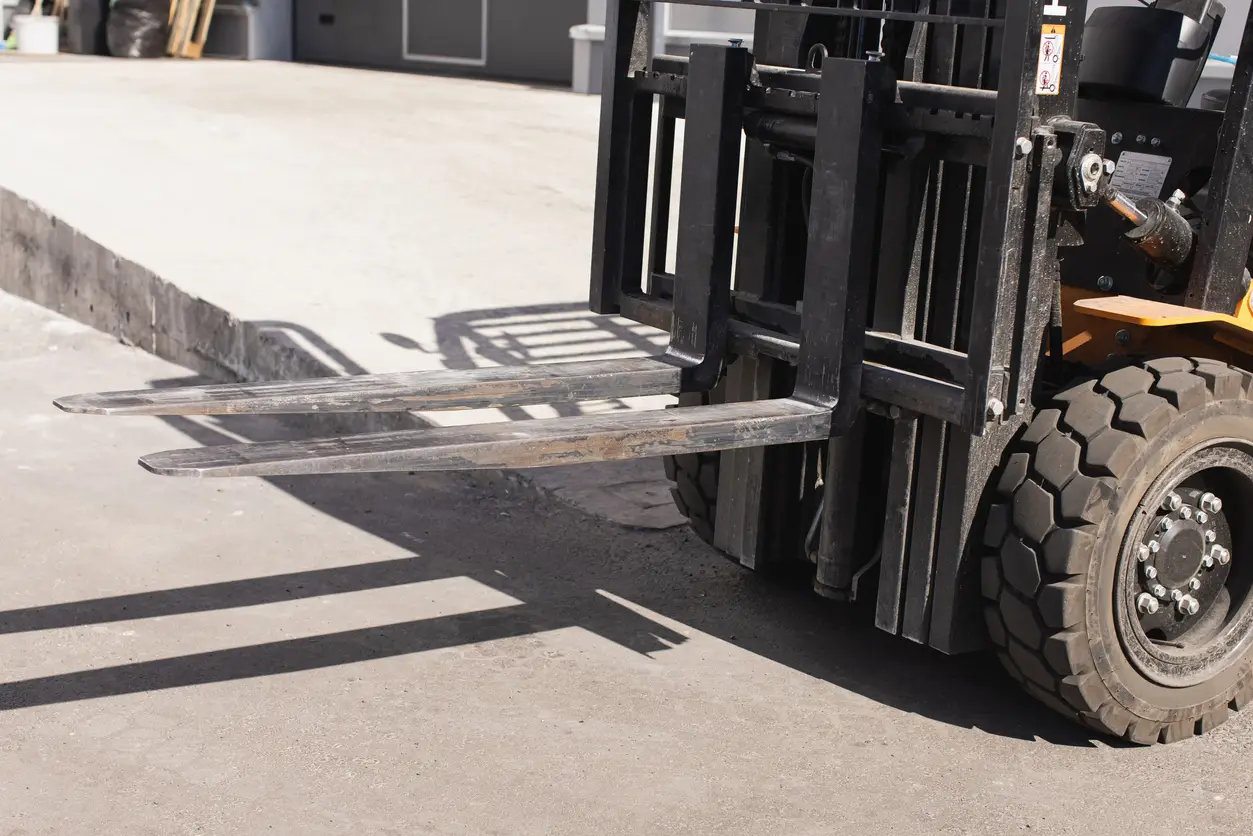
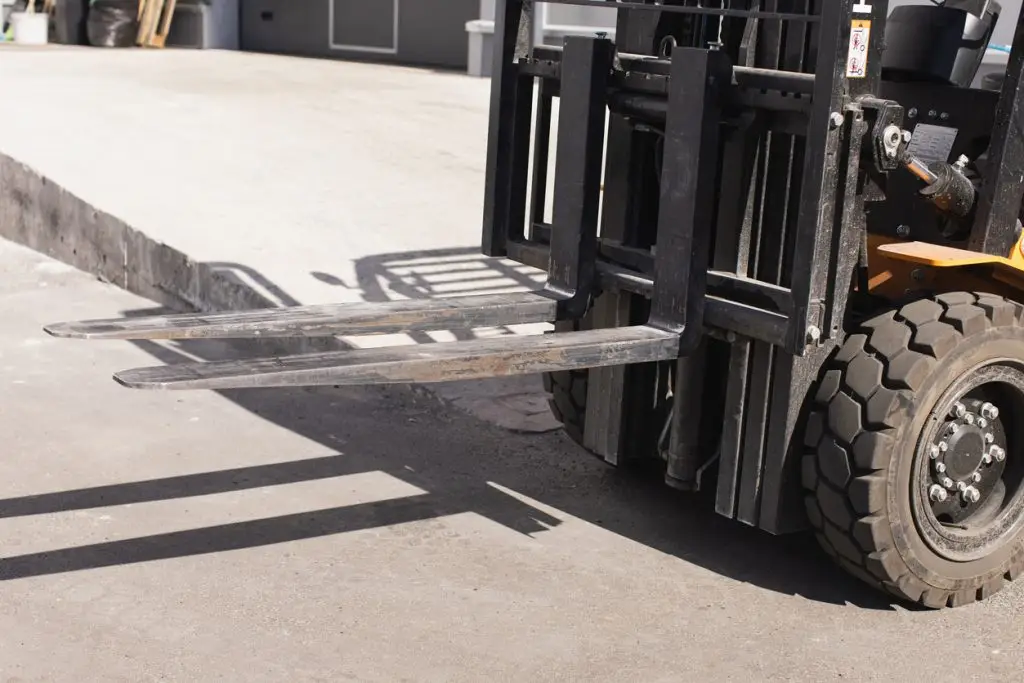
All-terrain forklifts, also known as rough terrain forklifts, are engineered for challenging conditions where standard forklifts often fall short. These machines possess unique design features, such as larger wheels and higher ground clearance, enabling them to navigate uneven surfaces effectively. They are particularly suited for construction sites where terrain conditions can vary significantly, offering the ability to perform efficiently across both firm and loose ground.
How Do All-Terrain Forklifts Differ from Standard Forklifts?
The key difference between all-terrain and standard forklifts lies in their design and operational capabilities. All-terrain forklifts feature robust, oversized tires that provide better traction on rugged surfaces, whereas standard forklifts are typically optimised for smooth surfaces. Additionally, all-terrain models often come equipped with four-wheel drive systems, improving their maneuverability and stability on inclines. This enhanced performance makes all-terrain forklifts indispensable tools for construction sites faced with demanding environmental conditions.
Which Types of All-Terrain Forklifts Are Best for Construction Sites?
There are various types of all-terrain forklifts tailored to meet specific construction needs. Models can vary based on load capacities, which can range from 3,000 kg to over 7,000 kg, allowing for diverse applications. For example, heavier models are suitable for lifting substantial materials, while lighter variations are better for maneuvering in tighter spaces. Evaluating these specifications ensures that the chosen forklift aligns with the intended tasks, ultimately optimising operational efficiency and safety.
How to Choose the Right Forklift for Construction and Regional Site Needs?
Selecting the appropriate forklift for construction and regional site needs requires careful consideration of various factors. Understanding site conditions is crucial, particularly regarding load capacities and terrain challenges. The chosen forklift must meet the weight requirements of materials to be transported while also being designed to handle the specific terrain challenges that may arise.
What Load Capacities and Terrain Capabilities Should You Consider?
Load capacities are vital to determining a forklift’s suitability for a specific task. Operators must calculate necessary load limits based on project demands, ensuring that the selected forklift can safely manage the materials. Furthermore, understanding terrain capabilities such as slope gradients, soil stability, and weather influences enables operators to select machines that can navigate obstacles effectively, thereby preventing operational delays and enhancing overall safety.
Why Is Operator Safety Critical on Rugged Job Sites?
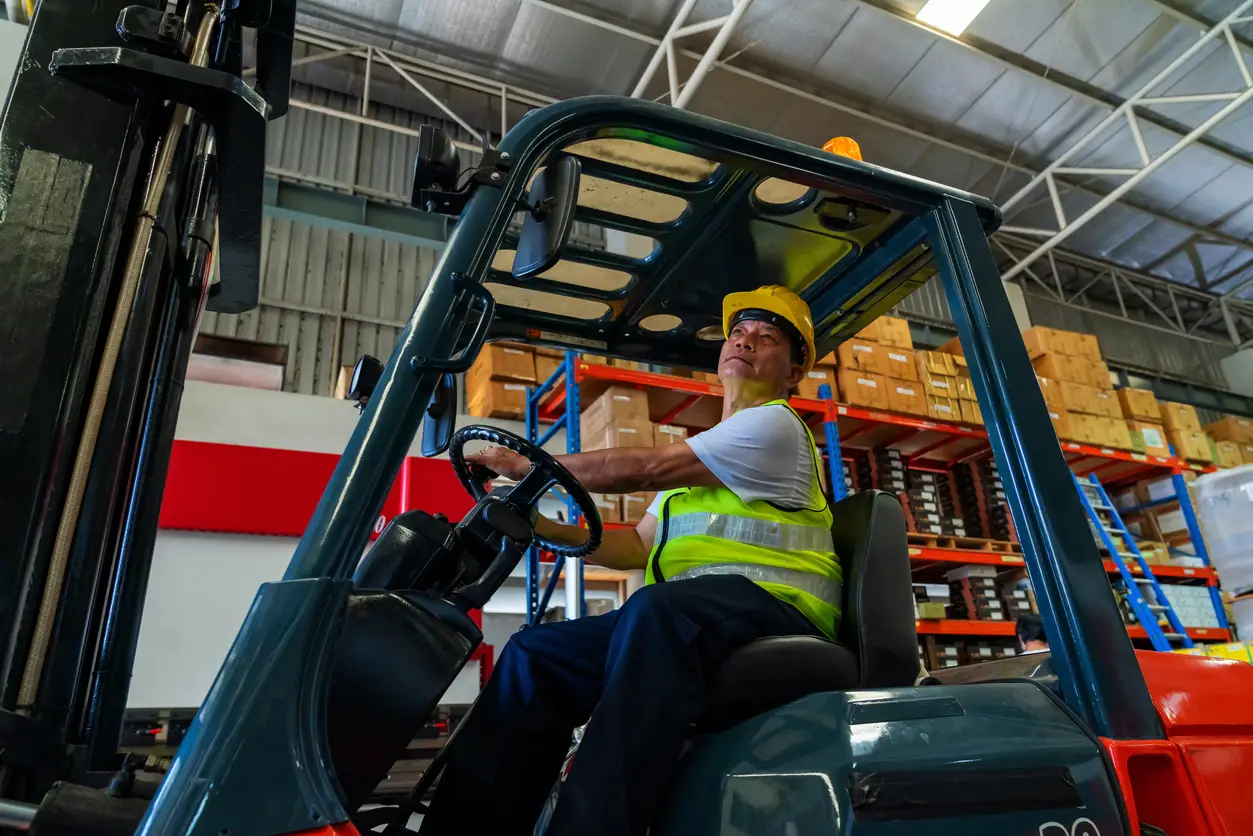
Operator safety is paramount in rugged job sites due to the inherent risks associated with challenging terrains. Assessing operator skill levels is necessary, as inexperienced users may struggle to maintain control on rough surfaces. Additionally, understanding site dynamics, such as potential hazards and environmental factors, plays a critical role in ensuring operational safety. Implementing comprehensive safety training for operators can mitigate risks and foster a culture of safety on-site.
What Rental and Sales Services Are Available in Illawarra and NSW?
In the Illawarra and NSW regions, various rental and sales services are available to support construction projects. Many suppliers offer flexible rental agreements that cater to specific project timelines, allowing businesses to manage costs effectively. Furthermore, resale options provide opportunities for organisations looking to purchase their equipment, with multiple high-quality models featured.
These services are crucial in ensuring that enterprises in the construction industry can access the right machinery without facing excessive delays or financial burdens.
Where Can You Rent Heavy Duty Forklifts in Wollongong and Surrounding Areas?
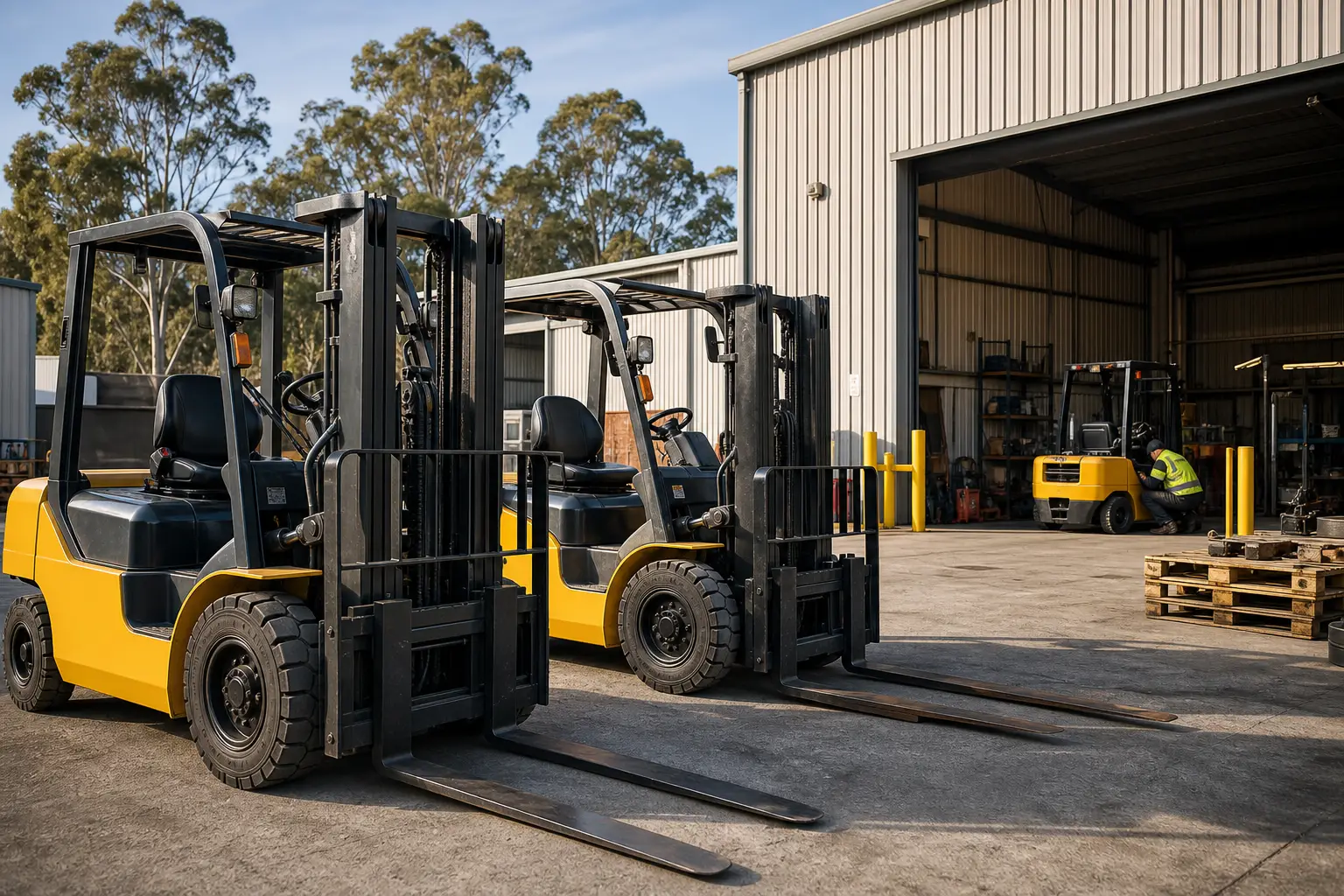
Those interested in renting heavy-duty all-terrain forklifts in Wollongong can consider various rental companies specialising in construction equipment. They typically include comprehensive rental services with clear terms and conditions, ensuring transparency for customers. Many locations also provide delivery services, making access to necessary equipment swift and efficient.
How Do Rental Terms and Maintenance Services Support Regional Projects?
Rental terms play a significant role in supporting regional projects by providing access to reliable equipment without the financial burden of ownership. Furthermore, maintenance services included in rental agreements ensure that forklifts remain in optimal working condition, preventing downtime and supporting ongoing project needs. Such arrangements foster continued productivity and operational efficiency across construction sites.
How Do Maintenance and Servicing Ensure Forklift Reliability on Rough Terrains?
Proper maintenance and servicing are crucial for ensuring the reliability of all-terrain forklifts, especially when navigating uneven surfaces. Operators should adhere to recommended maintenance schedules that include daily checks, such as inspecting fluid levels and evaluating tire conditions before operation. Regular servicing intervals help identify wear and tear on the equipment, allowing for timely repairs and ensuring safe functionality.
What Are Recommended Maintenance Schedules for All-Terrain Forklifts?
Establishing a consistent maintenance schedule is essential for operational readiness. Daily checks should include:
- Fluid Level Inspections: Regular checks on hydraulic and fuel levels ensure optimal operation.
- Tire Assessments: Evaluating tire conditions can prevent accidents caused by blowouts.
- Systems Functionality Tests: Checking controls and operational systems can identify issues before they escalate.
Having these checks in place enables operators to maintain high-performance standards while ensuring safety.
How Does Proper Maintenance Improve Forklift Safety and Performance?
Investing in maintenance improves overall safety and performance. Neglected forklifts can suffer from mechanical failures, leading to accidents that jeopardise operator safety. Studies indicate that properly maintained equipment shows a direct connection to enhanced safety metrics and operational efficacy. Consequently, maintaining a routine maintenance schedule saves organisations money in the long run by minimising the potential for costly accidents.
Understanding the impact of systematic care on heavy machinery underscores the necessity of consistent equipment maintenance protocols.
What Are the Key Safety Guidelines for Operating Forklifts on Construction Sites?
Ensuring safety when operating forklifts on construction sites requires adherence to specific guidelines. Proper safety protocols include training operators, using appropriate personal protective equipment (PPE), and adhering to manufacturer guidelines for loading and unloading materials.
Which Safety Certifications Are Required for Rough Terrain Forklift Operators?
Operators of rough terrain forklifts must acquire appropriate safety certifications that demonstrate their proficiency in handling these machines. Regulatory requirements typically involve training programs that cover operational safety, equipment handling, and emergency protocols. Ensuring that operators possess valid certifications is critical for maintaining operational safety on job sites.
What Practical Tips Ensure Safe Handling in Rugged Working Conditions?
Operating forklifts in rugged working conditions necessitates implementing practical safety tips, such as:
- Maintaining a Safe Speed: Operators should adjust speeds based on terrain conditions to avoid losing control.
- Securing Loads Properly: Careful loading and securing of materials prevent shifts during transport, minimising accident risks.
- Recognising Environmental Hazards: Awareness of surroundings helps operators avoid potential obstacles and injuries.
Following these tips can significantly reduce risks associated with operating in challenging environments.
Why Is Choosing the Right Forklift Brand and Model Important for Regional Construction?
Selecting the right brand and model of forklift is imperative for achieving optimal performance in regional construction. Compatibility with terrain conditions and specific load capacities directly affect a machine’s efficiency and safety.
How Do Different Models Perform in NSW’s Regional Site Conditions?
Different models exhibit varying levels of performance based on their engineering. For instance, models specifically designed for rough terrains demonstrate superior adaptability to hills and uneven surfaces found in NSW. Comparative analysis of these models enables organisations to make informed decisions that align with their operational needs.
What Are the Benefits of Heavy Duty Forklift Machinery in Illawarra Projects?
Heavy-duty forklift machinery plays a significant role in enhancing project efficiency. The robust design of these machines allows them to handle substantial loads while maintaining stability on uneven surfaces. Additionally, utilising heavy-duty options can accelerate project timelines, reducing delays and maximising productivity in construction operations.
What Are Emerging Trends and Industry Updates in All-Terrain Forklift Use for 2026?
As the construction industry evolves, so do the technologies and practices associated with all-terrain forklifts. Emerging trends encompass innovations in safety features, such as automatic braking systems and real-time monitoring technologies. These advancements aim to enhance operator safety while improving machine efficiency.
How Are Safety and Environmental Regulations Impacting Forklift Rentals?
In response to ongoing regulatory changes, forklift rental companies must adapt their practices to comply with safety and environmental guidelines. This shift often includes implementing sustainable practices that minimise emissions and promote environmental stewardship. Additionally, it is crucial for businesses to remain informed about these evolving regulations to ensure compliance and avoid potential penalties.
Where Can You Find Additional Resources and Support for Forklift Operations in NSW?
For individuals seeking further guidance on forklift operations in NSW, several resources and support networks are available. These may include governmental bodies providing regulatory updates, as well as local training programs specifically designed for forklift operators.
How to Access NSW Construction Safety Boards and Regulatory Updates?
Accessing construction safety boards in NSW involves navigating through various online platforms where these resources are published. Engaging with these boards allows operators and businesses to remain informed about critical updates and procedural changes, ultimately enhancing operational safety and compliance.
What Training and Support Are Available for Rough Terrain Forklift Operators?
Numerous training programs are dedicated to improving the skills of rough terrain forklift operators. These programs cover essential certification content, safety protocols, and hands-on experience, ensuring operators are well-prepared to handle the challenges presented by rugged job sites. Such training opportunities contribute to the overall safety and efficiency of operations within the industry.