Written By: Darko
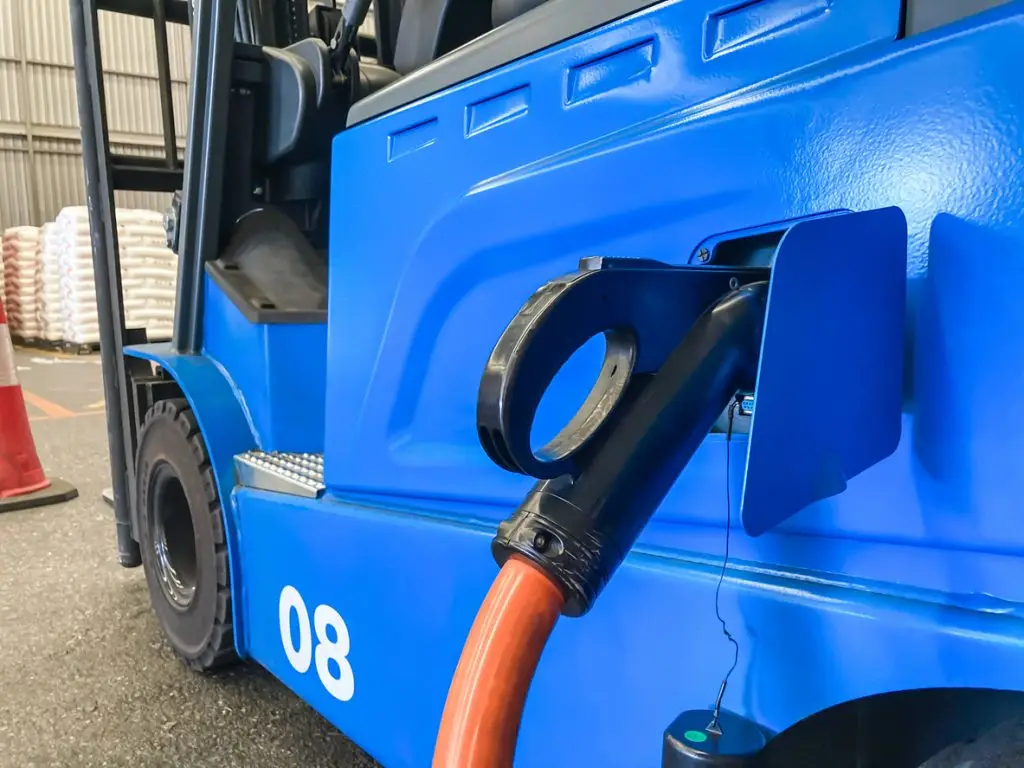
For electric vs diesel forklift, choosing between electric and diesel forklifts depends primarily on your operating environment. Electric models deliver zero emissions and quieter operation, making them the definitive choice for indoor warehouses. Diesel forklifts suit heavy-duty outdoor applications where raw power and endurance are priorities for businesses across NSW and beyond.
Electric forklifts suit indoor warehouses where zero emissions and quiet operation matter most. Diesel forklifts deliver superior power for outdoor and rough-terrain sites. Your decision hinges on the operating environment, load requirements, and total cost of ownership. Wollongong Forklift & Access Services supplies both powertrain options across its Illawarra range, helping you match the right machine to your site.
Key Takeaways
- Electric forklifts operate quietly and produce zero emissions, ideal for indoor warehouse environments.
- Diesel forklifts deliver superior power for outdoor operations and heavy-duty material handling tasks.
- Electric models require battery charging infrastructure and scheduled downtime between shifts.
- Wollongong Forklift & Access Services in Albion Park, NSW provides both diesel and electric options.
What Is the Core Difference Between These Two Forklifts?
The electric vs diesel forklift decision comes down to one fundamental distinction: power source. An electric forklift runs on a rechargeable battery and produces zero direct emissions. A diesel forklift burns fuel through a combustion engine to deliver sustained, heavy-duty power.
That single difference shapes everything: where you can safely operate the machine, how much it costs to run. How well it fits your site’s demands.
| Feature | Electric Forklift | Diesel Forklift |
| Power source | Rechargeable battery | Diesel combustion engine |
| Emissions | Zero direct emissions | Exhaust fumes produced |
| Typical environment | Indoor | Outdoor/demanding sites |
| Noise level | Quiet operation | Higher noise output |
| Power profile | Consistent, controlled | High endurance under load |
Which forklift is better suited to indoor environments?
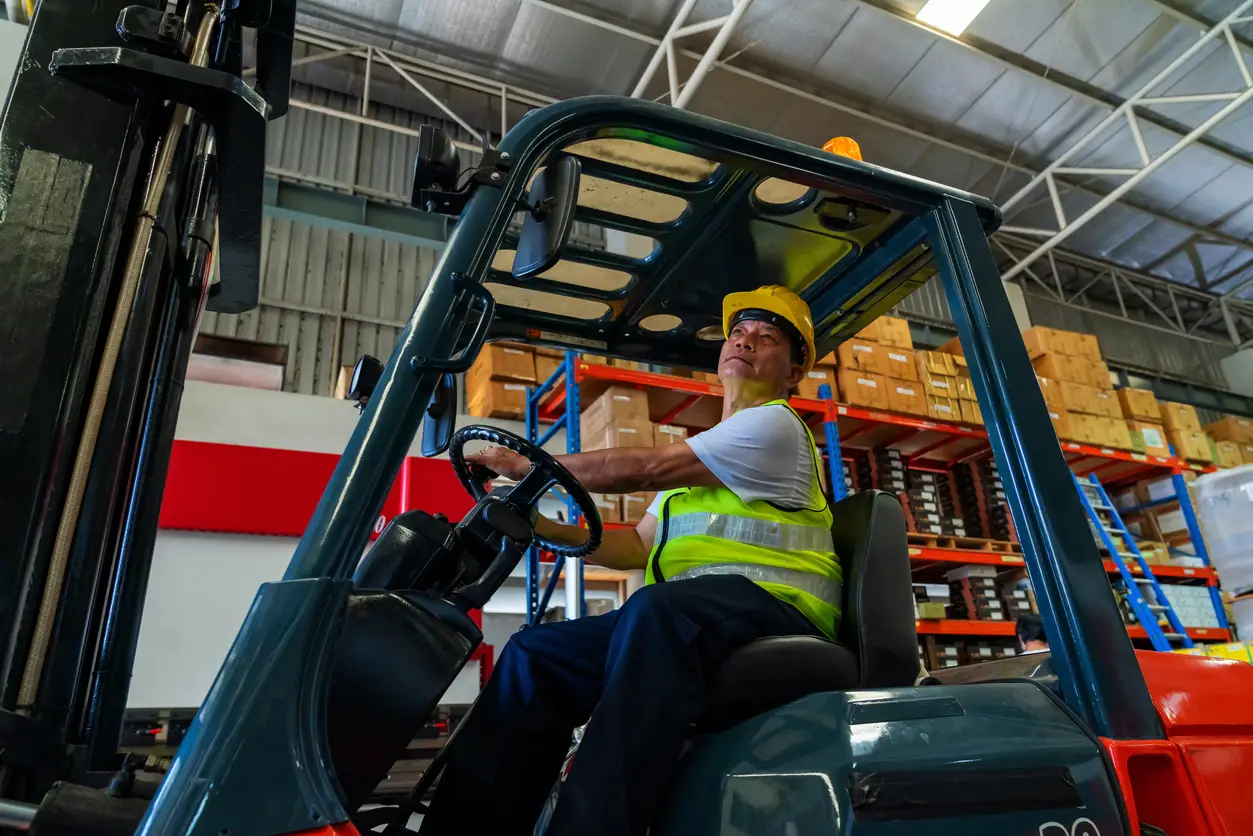
The electric forklift is the clear choice for enclosed spaces. Zero direct emissions mean air quality stays safe for workers, and quieter operation reduces fatigue on busy warehouse floors. These characteristics make the electric forklift the recognised standard for indoor forklift applications.
When does a diesel forklift outperform an electric model?
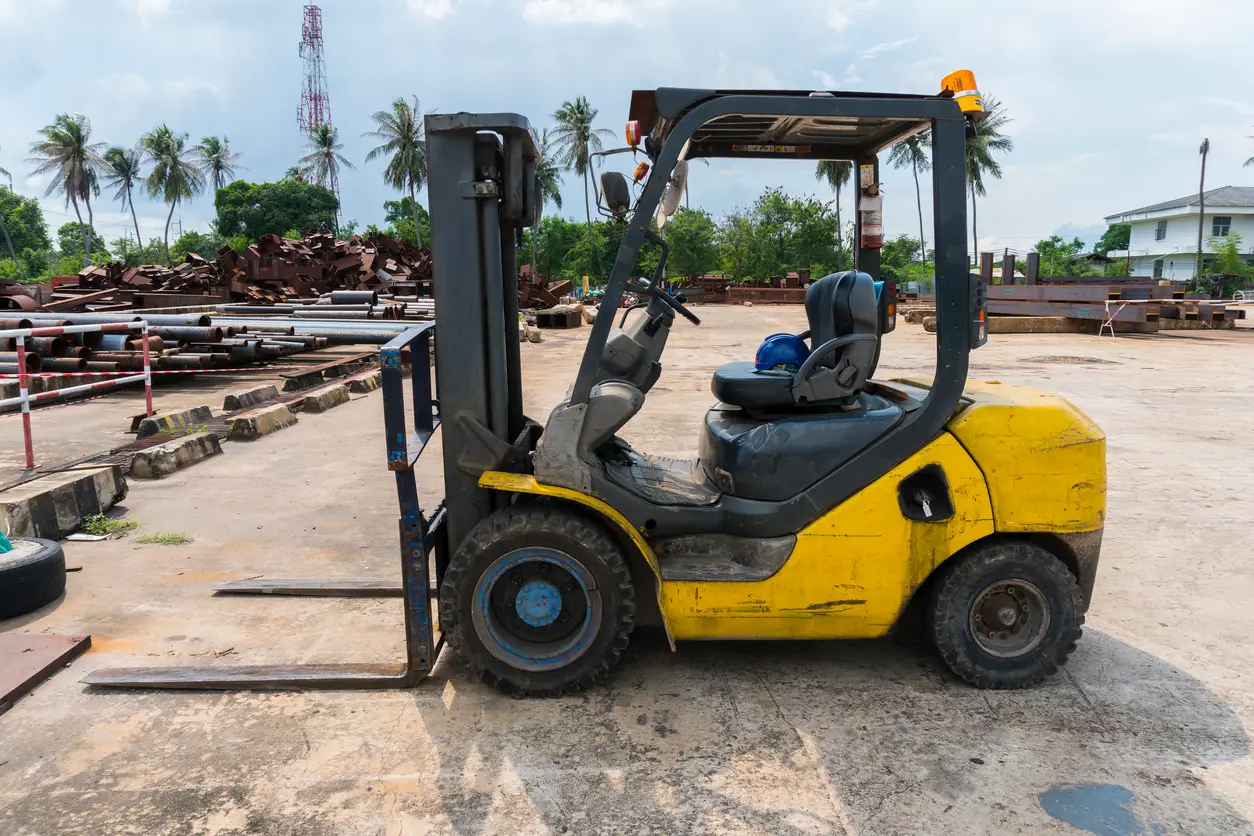
Diesel forklifts are the heavy hitters for outdoor forklift work. Demanding sites, think construction yards, timber operations, or exposed loading docks. Require sustained power and endurance that a diesel engine delivers reliably. Where rough conditions and continuous heavy loads are the norm, diesel remains the practical choice.
Wollongong Forklift & Access Services stocks both powertrains. Businesses across the Illawarra can access whichever machine genuinely matches their operating environment rather than settling for a compromise.
Which Forklift Performs Better Indoors vs Outdoors?
The operating environment is the single most decisive factor in any electric vs diesel forklift decision. Choosing the wrong machine for your site directly damages cost and productivity. Two outcomes no operations manager can afford to ignore.
Are electric forklifts better for indoor warehouse use?
Electric forklifts are the clear choice for indoor environments. Zero-emission operation keeps air quality safe for workers, and quieter running reduces fatigue and noise-related compliance risks. If your primary setting is a warehouse forklift application, cold storage, distribution centres, or manufacturing floors, electric power aligns with both safety standards and operational efficiency, making it the best forklift for warehouse environments. The indoor forklift category is where electric technology consistently outperforms its diesel counterpart.
When should you choose a diesel forklift for outdoor work?
Diesel forklifts dominate outdoor forklift applications where rough terrain, heavier loads, and continuous operation are the daily reality. Construction sites, timber yards, and port facilities demand the raw power and endurance that diesel engines deliver without interruption. Unlike electric models, diesel units are not constrained by battery charge cycles, making them the practical choice when downtime is not an option.
Here is a quick forklift comparison by environment:
| Factor | Electric Forklift | Diesel Forklift |
| Best environment | Indoor/sheltered | Outdoor/rough terrain |
| Emissions | Zero at point of use | Exhaust fumes produced |
| Noise level | Low | Higher |
| Terrain capability | Smooth, level surfaces | Uneven, outdoor ground |
| Operational continuity | Battery charge required | Continuous with refuelling |
Wollongong Forklift & Access Services supports industries across warehousing, logistics, and manufacturing. Construction throughout the Illawarra, each sector carrying distinct indoor and outdoor requirements. Your site conditions, load profiles, and shift patterns should drive the final decision. Matching the machine to the environment is not optional; it is the foundation of a sound forklift for business strategy.
How Do Running Costs and Maintenance Compare?
The electric vs diesel forklift decision directly affects your bottom line, worker safety, and environmental footprint, not just your warehouse floor. Running costs and maintenance obligations differ significantly between the two powertrains. Choosing the wrong one costs more than most operators expect.
Does powertrain choice affect long-term operating costs?
Forklift total cost of ownership extends well beyond the purchase price. Electric forklift cost structures tend to favour lower ongoing energy and servicing expenses, while diesel forklift pros and cons include higher fuel consumption and more complex engine components that require regular attention. The electric forklift vs diesel forklift TCO gap widens over time, particularly in high-utilisation environments where machines run multiple shifts.
Forklift comparison across powertrains should account for these key cost drivers:
- Energy costs — electricity is generally cheaper per operating hour than diesel fuel
- Servicing intervals — electric motors have fewer moving parts, reducing the frequency of mechanical repairs
- Consumables — diesel engines require oil changes, fuel filters, and exhaust system maintenance that electric units do not
- Battery management — electric forklift fleets require charging infrastructure and periodic battery replacement, which adds to capital planning
Why does preventative maintenance matter regardless of powertrain?
Preventative maintenance keeps any forklift for a business operating at peak performance and minimises the risk of accidents and operational disruptions. Skipping scheduled servicing. On either a diesel forklift or an electric model. Increases downtime and ultimately costs more to rectify than the service itself. Consistent maintenance is the single most reliable way to protect your investment.
Wollongong Forklift & Access Services supports ongoing equipment performance through maintenance and repairs delivered by skilled technicians. Whether your fleet runs on diesel or electric power, having a local service partner reduces response times and keeps machines productive. For any warehouse forklift, indoor forklift, or outdoor forklift application, a structured servicing programme is not optional. It is essential for controlling the total cost of ownership.
What Does Total Cost of Ownership Really Mean?
Forklift total cost of ownership extends well beyond the sticker price on any machine. Fuel, maintenance, compliance obligations, and unplanned downtime all accumulate over the life of a unit, and ignoring those costs produces a budget that bears little resemblance to reality.
Most procurement decisions stall because the purchase price dominates the conversation. That is the wrong starting point. A machine that costs less upfront can quietly drain your operating budget through higher fuel consumption, more frequent repairs, or costly compliance gaps. Smart investment decisions require a clear, side-by-side view of every cost category before you commit.
What cost categories should you include in a forklift TCO calculation?
A complete electric forklift vs diesel forklift TCO assessment covers four core areas:
- Purchase or hire price — the initial capital outlay or rental commitment
- Fuel and energy costs — diesel consumption versus electricity charging costs
- Maintenance and repairs — scheduled servicing, parts, and unplanned breakdowns
- Downtime and compliance — lost productivity when a machine is off-site, plus costs tied to meeting safety regulations
Each category interacts with the others. A diesel forklift, for example, carries higher fuel costs but may require less infrastructure investment than an electric forklift. Demands reliable access to a charging station. Without that charging infrastructure in place, battery-powered machines create schedule delays that erode the productivity gains you purchased them to deliver.
How does financing affect your total cost of ownership?
Financing structure directly shapes how TCO lands on your balance sheet. Spreading acquisition costs across a flexible plan aligns repayments with the revenue the machine generates, rather than concentrating capital expenditure at the point of purchase. Wollongong Forklift & Access Services offers competitive financing options designed to make forklift for business acquisition straightforward and aligned with your actual budget.
The goal is always the same: match the right machine to your operational needs, then structure the investment. Total costs remain predictable and controlled across the full ownership period.
Which Powertrain Suits Your Industry and Site Conditions?
Your site environment and daily operational demands determine which powertrain delivers the best results. Electric vs diesel forklift selection hinges on where and how the machine will be used. Getting that match wrong costs you productivity, compliance standing, and long-term budget control.
Does your industry favour an indoor or outdoor forklift?
The operating environment is the single most decisive factor. Indoor forklift applications, warehousing, food processing, and light manufacturing. Suit electric forklift powertrains because they produce zero exhaust emissions and operate quietly within enclosed spaces. Outdoor forklift work on construction sites and timber yards. Heavy logistics yards demand the sustained power and all-weather durability that a diesel forklift provides. Matching the machine to the environment protects both your workforce and your compliance obligations under Australian safety regulations.
Use the guide below to align your site type with the right powertrain:
| Site Type | Recommended Powertrain | Key Reason |
| Indoor warehouse / cold store | Electric | Zero emissions, low noise |
| Mixed indoor/outdoor facility | Electric (with outdoor-rated spec) | Versatility, lower running costs |
| Construction site / rough terrain | Diesel | Power, durability, no charging dependency |
| Outdoor logistics yard | Diesel | Extended runtime, fast refuelling |
Which forklift powertrain suits a business standardising a mixed fleet?
Large operations running equipment across both indoor and outdoor environments face a more complex forklift comparison. A mixed fleet strategy, pairing electric units for internal movements with diesel machines for yard and loading-dock work. Keeps each machine in its optimal environment. Wollongong Forklift & Access Services supports businesses of all sizes, from single-unit operators through to large sites standardising fleets across varied environments, applying knowledge of regional Illawarra operating conditions to align every equipment choice with site constraints and compliance expectations.
A forklift for business that is correctly matched to its environment reduces risk and supports regulatory compliance. Keep your operation running without interruption.
Should You Buy, Hire or Finance Your Next Forklift?
The right acquisition strategy depends on how long you need the machine, and how predictable your cash flow is. Whether the requirement is permanent or project-based. Choosing the wrong path locks capital into depreciating assets. Or leaves you paying hire rates on equipment you run every single day.
Wollongong Forklift & Access Services structures its offering around three clear pathways:
- Purchase (outright sale): Best suited to businesses with consistent, long-term utilisation where owning the asset reduces forklift total cost of ownership over time.
- Flexible hire: Ideal for short-term projects, seasonal peaks, or when you need to trial a machine class before committing. Rental options span indoor forklift solutions such as electric forklift models through to rough-terrain telehandlers for construction environments.
- Financing: Accessible finance plans align repayments with your budget and utilisation schedule, making acquisition straightforward without exhausting working capital.
Which option suits a warehouse operation?
For a permanent warehouse forklift requirement, outright purchase or a finance arrangement typically delivers the strongest return. Running a machine daily means hire costs accumulate quickly. Ownership gives you full control over maintenance scheduling and fleet standardisation.
When does hiring make more sense than buying?
Hiring makes sense when your operational timeline is uncertain or when a project demands specialist equipment. Say, a telehandler for a construction phase that you won’t need once the work is complete. Short-term hire removes the risk of owning machinery that sits idle between jobs.
Wollongong Forklift & Access Services provides quote-based recommendations tailored to your budget and utilisation plan. You receive practical guidance rather than a generic sales pitch. Contact the team directly to discuss which pathway fits your operation.
What Are the Key Safety Considerations for Each Type?
The forklift comparison between electric and diesel models carries direct safety consequences for every worker on your site. Selecting the wrong machine for your environment, not just the wrong brand. Affects worker safety, operational risk, and your compliance obligations.
Does the Type of Forklift You Choose Affect Worker Safety?
Choosing between an electric forklift and a diesel forklift does more than influence running costs. The machine type shapes the hazards your team faces daily. An electric model eliminates exhaust emissions, making it the safer choice in enclosed spaces where fume build-up poses a serious health risk. A diesel unit introduces combustion gases that require adequate ventilation, a constraint that rules out many indoor environments entirely.
How Does Maintenance Affect Forklift Safety?
Poorly maintained equipment is one of the most preventable causes of workplace incidents. Regular servicing involves systematic mechanical checks designed to catch faults before they become failures. Skip those checks, and you expose your team to avoidable risk. This applies equally to both powertrain types; electric models require battery and electrical system inspections. Diesel units need fuel system, exhaust, and engine checks.
Here is a quick breakdown of the primary safety factors by type:
| Safety Factor | Electric Forklift | Diesel Forklift |
| Indoor air quality | No emissions — safe for enclosed spaces | Exhaust fumes require ventilation |
| Maintenance risk | Electrical and battery system checks | Engine, fuel, and exhaust inspections |
| Noise exposure | Quieter operation | Higher noise levels |
| Servicing frequency | Regular scheduled checks essential | Regular scheduled checks essential |
Wollongong Forklift & Access Services prioritises uptime through fast response. On-site servicing reduces the safety risks that come with poorly maintained equipment. Keeping your forklift for business properly serviced is not optional; it is the baseline for a safe operation.
How Do You Make the Final Decision for Your Business?
The final decision on an electric vs diesel forklift comes down to matching your specific site conditions and workload. Budget to the right machine. Choosing without that alignment costs you productivity, increases maintenance spend, and risks selecting equipment that underperforms from day one.
Start by working through these four practical checkpoints:
- Environment: Is the primary operating area indoor, outdoor, or mixed? An indoor forklift demands zero-emission power; an outdoor forklift often needs the torque and weather resilience of a diesel forklift.
- Shift pattern: Single-shift operations suit battery-powered equipment well. Multi-shift, high-intensity sites may favour diesel’s rapid refuelling advantage.
- Budget structure: Weigh upfront acquisition cost against forklift total cost of ownership, including fuel, servicing, and tyres over the machine’s full working life.
- Compliance: Confirm site-specific safety and emissions requirements before committing to any powertrain.
What If You’re Unsure Which Powertrain Suits Your Site?
Transparent, practical guidance from a knowledgeable local team removes the guesswork from this forklift buying guide process. Wollongong Forklift & Access Services grounds every recommendation in local expertise, helping you align machine capabilities with your actual site constraints rather than a generic specification sheet.
How Do You Keep the Chosen Forklift Running at Full Capacity?
Selecting the right forklift for business is only the first step. Ongoing maintenance and servicing support, delivered by an expert team, protects uptime and keeps projects on schedule. Local delivery and responsive after-sales support further reduce the risk of costly operational delays. Your investment continues to perform long after the initial purchase.
FAQ
Which forklift suits indoor warehouse environments?
Electric forklifts are the definitive choice for indoor use, delivering zero emissions. Quiet operation that keeps air quality safe and reduces worker fatigue on busy warehouse floors.
Diesel forklifts suit outdoor and rough-terrain sites, construction yards, timber operations, and exposed loading docks, where sustained power and endurance under heavy continuous loads are priorities.
Where does Wollongong Forklift & Access Services operate?
Wollongong Forklift & Access Services is located in Albion Park, NSW. Supplies both electric and diesel forklifts to businesses across the Illawarra region.