Written By: Darko
Construction projects are complex operations with countless moving parts. From managing trades and coordinating deliveries to maintaining safety standards and meeting deadlines, every decision can significantly impact project outcomes.
One often-overlooked factor is equipment selection, particularly forklifts. Choosing the right construction forklift rental can dramatically improve productivity, reduce downtime, and contribute to safer, more efficient site operations.
Whether you’re overseeing a commercial development, residential build, warehouse construction, or civil infrastructure project, selecting the right forklift is about much more than simply moving materials from one location to another. The right machine can help keep projects on schedule, improve workflow efficiency, and reduce operational costs.
In this guide, we’ll explore why forklift selection matters, the different forklift types available, and how businesses can maximise value through smart forklift rental decisions.
Why Forklifts Are Essential on Modern Construction Sites
Construction sites rely heavily on material-handling equipment to move products, tools, and building materials efficiently.
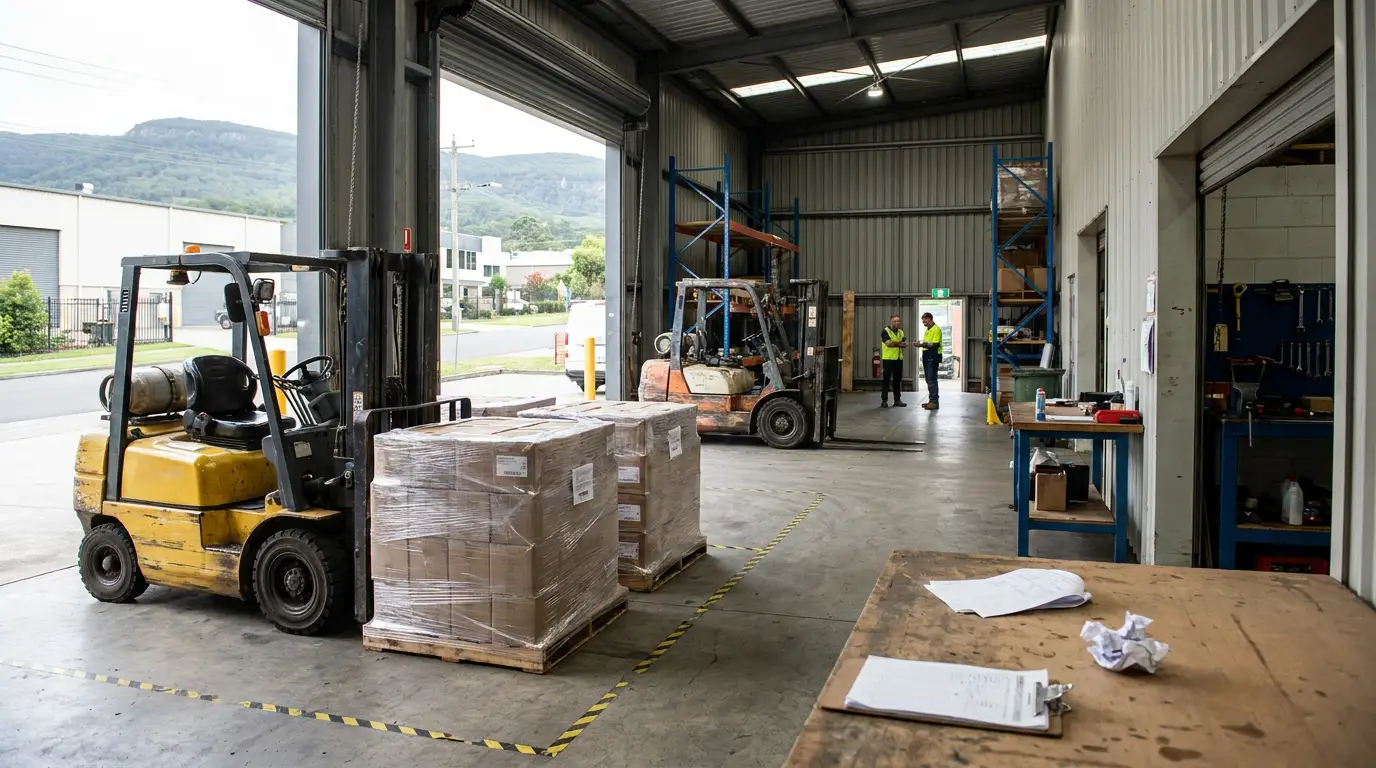
Forklifts are commonly used for:
- Transporting pallets of construction materials
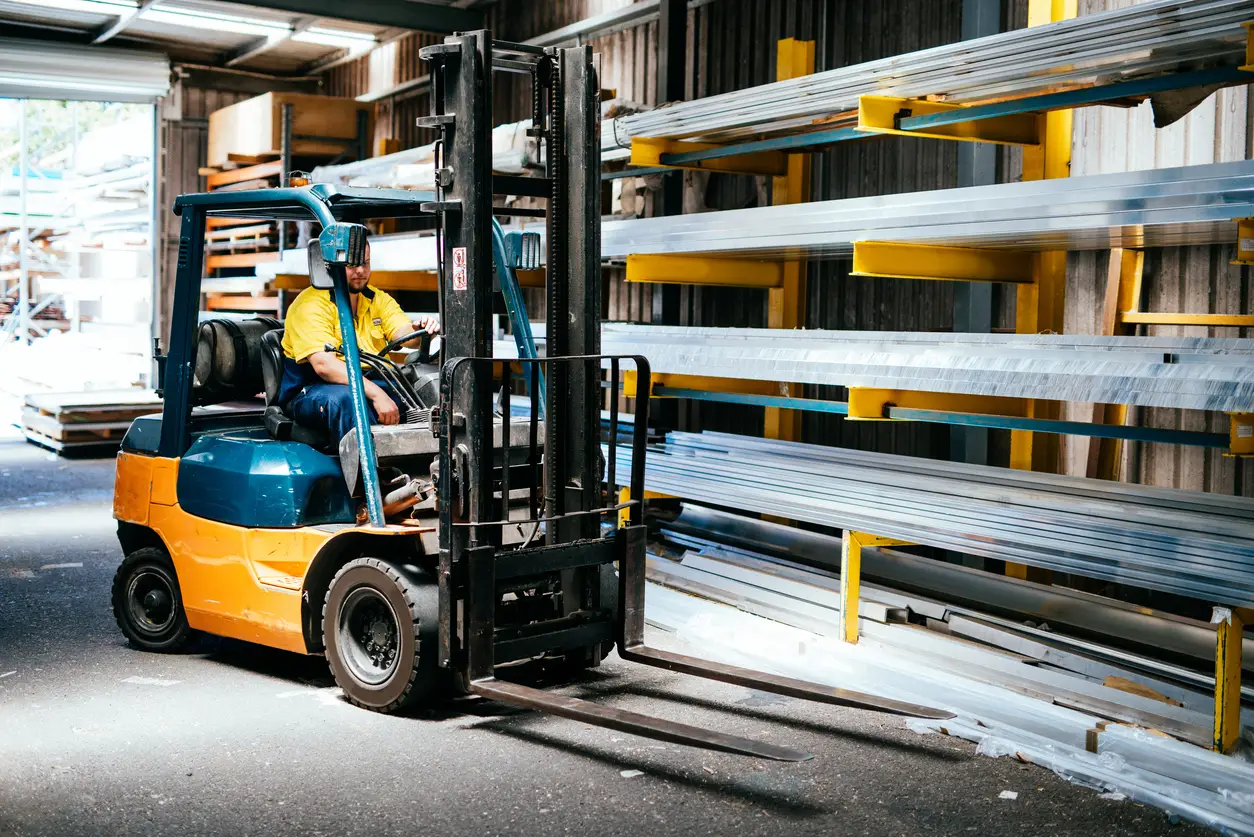
- Moving steel beams and structural components
- Handling concrete products
- Loading and unloading deliveries
- Supporting warehouse and storage operations
- Distributing materials across large worksites
Without the right forklift, these tasks can become slower, less efficient, and potentially unsafe.
The right equipment helps reduce manual handling, improves productivity, and allows workers to focus on higher-value tasks.
Understanding the Different Types of Construction Forklifts
Not all forklifts are designed for the same environment. Choosing equipment that aligns with site conditions and operational requirements is essential.
Electric Forklifts
Electric forklifts are becoming increasingly popular across construction and industrial sectors.
Benefits include:
- Quiet operation
- Zero emissions
- Lower operating costs
- Reduced maintenance requirements
- Excellent manoeuvrability
These forklifts are particularly suited to indoor construction environments, warehouses, and projects where ventilation may be limited.
They are also a popular choice for businesses seeking more environmentally sustainable equipment solutions.
Diesel Forklifts
Diesel forklifts remain one of the most powerful options available for construction applications.
Advantages include:
- High lifting capacities
- Strong performance on rough terrain
- Reliability in outdoor conditions
- Suitable for heavy-duty workloads
Construction sites involving large-scale material movement often rely on diesel forklifts due to their durability and power.
Telehandlers
Telehandlers offer a combination of forklift functionality and extended reach capabilities.
They are commonly used for:
- Multi-storey construction projects
- Elevated material placement
- Accessing difficult-to-reach areas
- Transporting heavy loads across large sites
For projects requiring both lifting capacity and height, telehandlers can be an invaluable addition to site operations.
How Terrain Conditions Affect Forklift Selection
One of the most important considerations when choosing a forklift rental is the terrain on which it will operate.
Construction sites rarely offer smooth, warehouse-style flooring.
Instead, operators often encounter:
- Uneven ground
- Muddy conditions
- Loose gravel
- Sloping surfaces
- Temporary access roads
Selecting equipment designed for these environments is critical.
Rough terrain forklifts and telehandlers are specifically engineered to maintain stability and performance under challenging conditions. Choosing the wrong equipment can lead to delays, reduced productivity, and increased safety risks.
Why Load Capacity Matters
Load capacity is another key factor that directly influences forklift performance and safety.
Before hiring equipment, project managers should assess:
- Maximum load weights
- Load dimensions
- Frequency of lifting operations
- Required lifting heights
Choosing a forklift with insufficient capacity may result in unsafe operation, while oversized equipment can lead to unnecessary rental expenses.
A properly matched forklift ensures materials can be moved safely and efficiently throughout the project lifecycle.
Common Construction Projects That Require Forklift Rentals
Forklift hire plays a crucial role across a wide range of construction sectors.
Projects commonly requiring forklift rental include:
Commercial Construction
Large commercial projects often require ongoing material handling support for structural materials, fixtures and equipment.
Residential Developments
Forklifts assist with transporting building materials across housing estates and multi-unit developments.
Industrial Facilities
Factories, warehouses, and manufacturing sites frequently rely on forklifts during construction and expansion projects.
Civil Infrastructure Projects
Roadworks, bridges, and public infrastructure developments often utilise heavy-duty forklifts and telehandlers to move large construction components.
Regardless of project type, reliable material handling equipment contributes to safer and more efficient operations.
The Financial Benefits of Forklift Rental
For many businesses, forklift rental offers greater flexibility than purchasing equipment outright.
Hiring provides access to modern machinery without the significant capital investment associated with ownership.
Benefits include:
- Lower upfront costs
- Flexible rental terms
- Access to newer equipment
- Reduced maintenance responsibilities
- Improved cash flow management
This flexibility allows businesses to scale equipment requirements according to project demands while maintaining budget control.
Choosing the Right Rental Duration
Construction projects vary significantly in scope and duration.
Fortunately, most forklift rental providers offer flexible agreements designed to accommodate different project requirements.
Short-Term Rentals
Ideal for:
- Temporary projects
- Peak workload periods
- Emergency equipment replacement
- Short-duration construction tasks
Medium-Term Rentals
Suitable for:
- Ongoing building projects
- Site expansions
- Seasonal operational increases
Long-Term Rentals
Best suited for:
- Large-scale developments
- Multi-stage construction projects
- Continuous material handling requirements
Selecting the most appropriate rental period can help optimise equipment utilisation and control costs.
Reducing Downtime Through Reliable Equipment
Downtime is one of the biggest threats to construction project profitability.
When equipment breaks down unexpectedly, project schedules can quickly fall behind.
Reliable forklift rental and hire services help minimise downtime by providing:
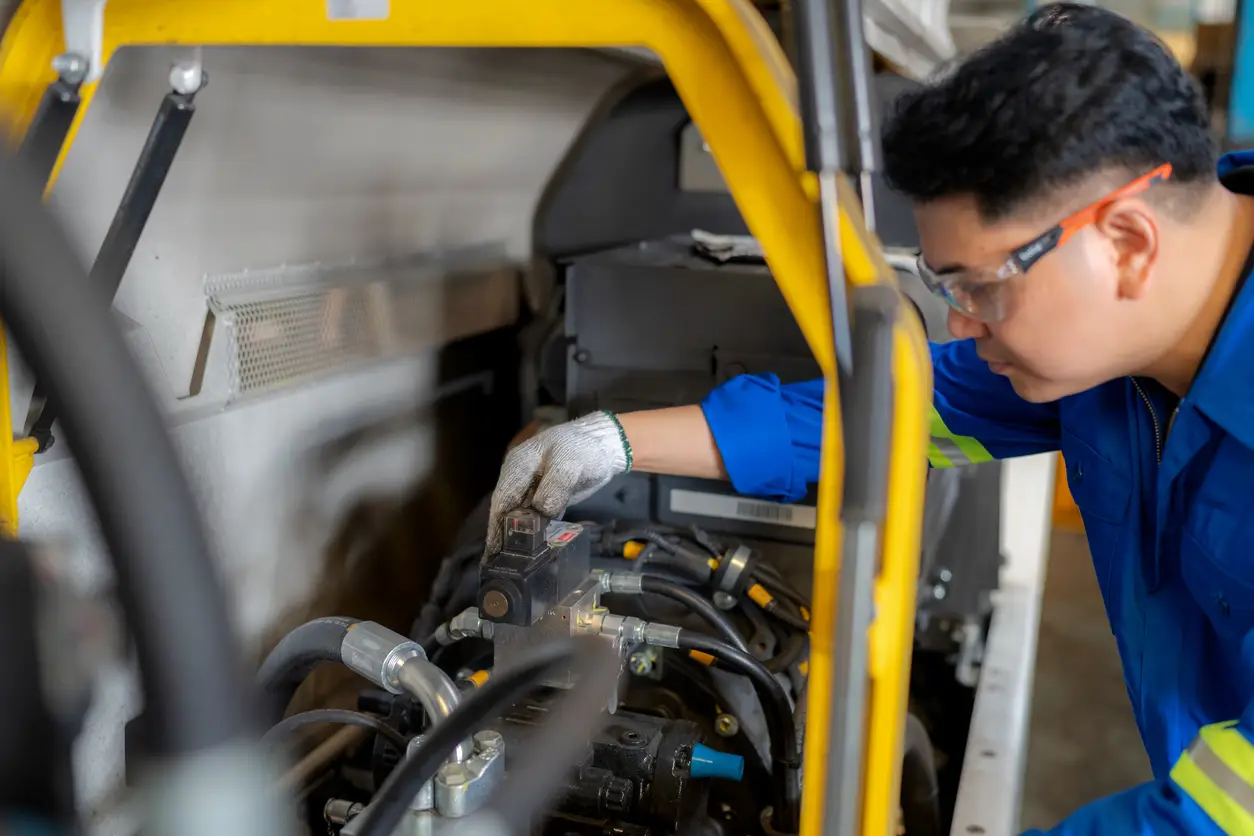
- Regular equipment servicing
- Preventative maintenance programs
- Emergency support
- Replacement equipment when required
Well-maintained forklifts contribute to smoother operations and reduce the likelihood of costly project delays.
Safety and Compliance Considerations
Safety should always be a priority when operating forklifts on construction sites.
Employers have a responsibility to ensure:
- Operators hold the appropriate licences
- Equipment is regularly inspected
- Safe operating procedures are followed
- Site-specific risks are addressed
Modern forklifts often include safety features such as:
- Stability control systems
- Reverse warning alarms
- Improved visibility designs
- Operator restraint systems
These features help reduce accident risks and support compliance with workplace safety regulations.
The Importance of Operator Training
Even the most advanced forklift is only as effective as the person operating it.
Proper training helps ensure:
- Safe operation
- Reduced accident risk
- Improved productivity
- Regulatory compliance
- Lower equipment damage costs
Many forklift rental providers offer training support to help businesses maintain safe and efficient operations.
Why Partnering with a Trusted Forklift Hire Provider Matters
Selecting a reputable forklift rental provider can significantly impact project success.
Experienced suppliers offer:
- Expert equipment recommendations
- Responsive customer support
- Flexible hire arrangements
- Maintenance assistance
- Technical expertise
Working with a trusted provider ensures access to reliable equipment and professional advice throughout the rental period.
Keep Your Project Moving with the Right Forklift Rental
Construction efficiency depends on having the right tools for the job, and forklifts are among the most important pieces of equipment on any building site. From improving material handling and reducing downtime to supporting workplace safety and project timelines, the right forklift can make a measurable difference to overall project performance.
By carefully assessing site conditions, load requirements, rental duration, and operational goals, project managers can select equipment that delivers maximum value and efficiency. Whether you require an electric forklift for indoor work, a diesel model for heavy-duty applications, or a telehandler for elevated lifting tasks, choosing the right forklift rental and hire services can help keep your project on track from start to finish.