Reasons to Take a Walkie Stacker instead of a Standard Forklift
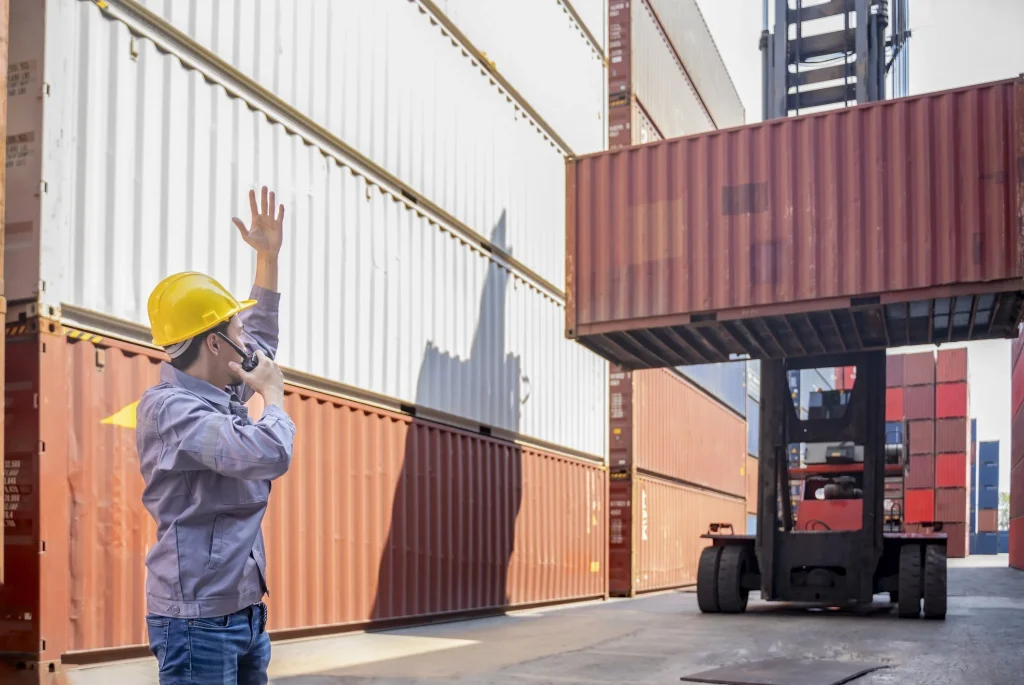
Written By : Darko Selections of equipment used in your warehouse are very essential. It affects efficiency, safety and expenses. Widely used material handling equipment are walkie stackers and forklifts. There are distinctive characteristics and benefits of both. It is quite important to understand these differences so that they can make an informed choice. Walkie stackers are small and quick maneuverable. They suit confined places and small warehouses. Forklifts are more powerful and flexible on the other hand. They are more appropriate to perform heavy work and bigger facilities. Difference between Walkie Stackers and Traditional forklifts The walkie stackers and the forklifts are distinct in material handling. Their functions are known to be able to select the appropriate equipment. Walkie stackers are lighter in nature. They provide better control and they are ideal in narrow aisles. By contrast, conventional forklifts are solid machines. They are able to push heavy and large weights. In a nutshell, the differences between them are the following: Walkie Stackers are smaller than forklifts (size and Maneuverability): The size of walkie stackers is much smaller than the size of forklifts. Lifting Capacity: Forklifts are able to pack heavier loads. Ease of Use: Walkie stackers are more suitable to use and do not need a lot of training. This is one of the basic knowledge that helps determine the most suitable fit of your warehouse. Important differences between Walkie Stacker and Forklift In comparing a walkie stacker vs forklift, there are factors that are brought to the fore. These have their own advantages. One is that walkie stackers work on a small space. They can fit in tight aisles of the warehouses. Forklifts are, however, designed to be strong. Their strength is supported by the capacity to carry heavy weights hence they are a necessity in some industries. Walkie stackers emit no immediate emission and they are silent. It renders them appropriate in indoor areas where noise and air quality is an issue. Forklifts are used with various features and attachments. This renders them flexible in loading other kinds of loads. The following is quick a comparison: Noise and Emissions: Walkie stackers are less noisy and produce less emission. Flexibility: Forklifts have a host of functions. Environment: Walkie stackers are also superior inside. These variations determine what equipment to use, according to your needs. Advantages and features of forklifts Forklifts have elevating capabilities that are amazing. These are very heavy machines that can perfectly suit industrial use. Among the highlights of them is their speed. Forklifts are swift and thus effective with high operations. There are diverse attachments in many forklifts. This increases their usability and hence they can be used on various tasks. The forklifts that are also geometrically designed are extremely rough. They are applicable in rough terrain, which makes them durable. The major characteristics are: Lifting Capacity: Suits heavy duty tasks best. Speed: Fast operation. Versatility: versatility of attachments. Longevity: Can be used outdoors and rugged surfaces. These are factors that render forklifts imperative in numerous warehousing applications. They are one of the most popular options among the businesses that require heavy duty lifting solutions. The Advantages of Walkie Stacker used as Lifting Solutions in Warehouses Walkie stackers are good in the narrow areas. They can fit in narrow aisles and their ability to maneuver in small areas is ideal. Using walkie stackers is simple and straight forward. There is less training that is required making it advantageous to new operators and small businesses. Such machines are less noisy as compared to forklifts. Reduced levels of noise improve on the working conditions, which is more enjoyable to staff. Walkie stackers too are more economical regarding energy. They save on energy resources and result in a greener warehouse operation. These significant advantages are: Maneuverability: Good in small areas and short aisles. Usability: Low training. Quiet Operation: the sound level at work. Energy Efficiency: Affordable to operate and maintain and so is nature friendly. Such benefits make walkie stackers a reasonable option at contemporary, compact warehouse environments. In what Scenario to Select a Walkie Stacker Rather than a Forklift The selection of type of a walkie stacker or forklift is subject dependent. Think about your handling material and warehouse layout. Walkie stackers excel where there is little space. They are perfect at precision work and small turning radius. Walkie stackers are safer and more sensible in indoor application. They fit high pedestrian traffic warehouses and smooth flooring. The areas in which walkie stackers are more preferred: Compact Spaces: Abilities to operate within tight aisles. Indoors: less noise and fumes. Precision Tasks: This is best suited to control tasks in small planes. Consider whether you are looking at your operational goals. Walkie stackers They are ideal when dealing with smaller settings that are located indoors where accuracy and safety is valued. Costs, Maintenance Cost, and Environment Costs The equipment selection usually depends on the cost factor. Compared to normal forklifts, walkie stackers are usually cheaper to purchase. They are also less complex hence fewer maintenance costs in the long run. The matters of maintenance are very dissimilar. Walkie stackers possess less mechanical parts and thus fewer breakdowns occur. This may lead to minimisation of repairs and recession in time. It is also important to look at the environmental factors. Electric walkie stackers do not have any hazardous emissions, which will create a cleaner workplace. Here are some of the cost and green aspects you should consider when deciding about your warehouse solution: Reduced Initial cost: Walkie stackers come cheaper. Less Maintenance: When there are fewer parts, there will be less repair. Greener Operations: No emissions promote quality in the air. Walkie Stacker Hire: Modern Infrastructure Flexible To Hire Walkie stacker hire is a flexible option to the varied demands of warehouses. It gives enterprises an opportunity to become dynamic without investing heavily. Equipment hire is good in fluctuating demand businesses. It enables you to increase or diminish the operations according to the need. This is especially
The Top 5 Advantages of short-term Forklift hire to businesses
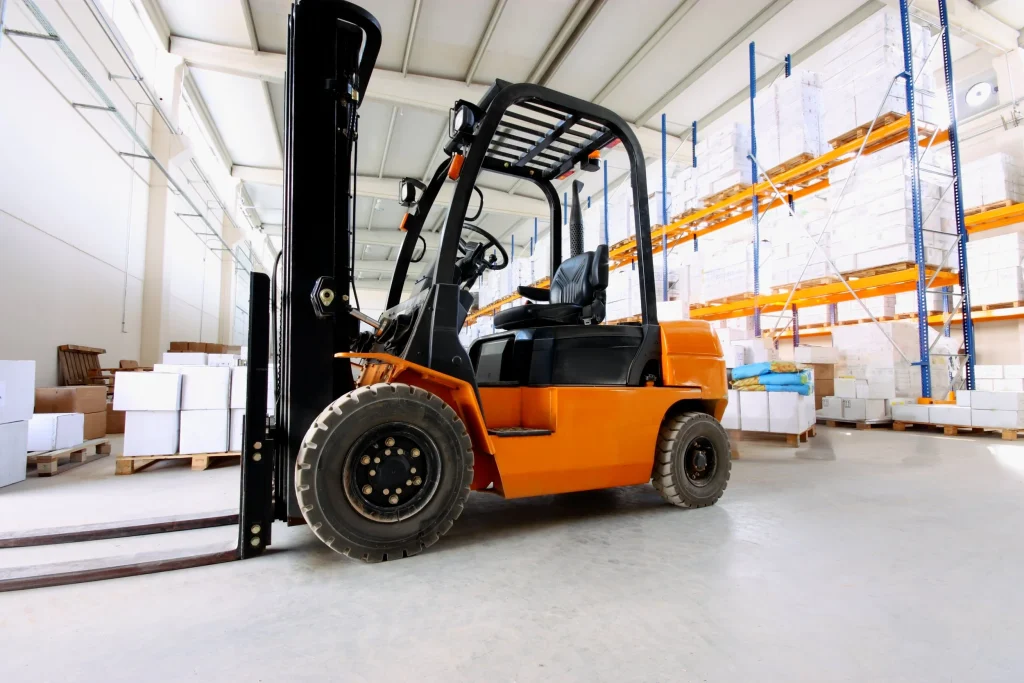
Written By : Darko The business world today is hectic and in this type of environment, flexibility is of the essence. The firms require a rapid responsiveness to altered needs. This is where in comes short term hire of forklifts. Forklift hire on a short-term basis is a viable alternative to businesses. It enables them to supply the varying demands without any commitment. Such flexibility is essential to keep the efficiency. In Wollongong and the state of NSW, rental of forklifts gives a chance to reach the latest models. The advanced technology does not require companies to spend a lot of money to purchase equipment. It is a great benefit in competitive markets. Seasonality is easier to control when the tools to do the job are available on a short-term basis with forklift rental. Businesses are able to grow operations up or down when it is necessary. This flexibility assists in ensuring that there are smooth operations. The costs of maintenance and repair are usually paid by the rental firm. This minimises the load on the businesses. It also maintains equipment in the best form. Cash flow may be enhanced by short term hire of forklift. Companies do not incur expensive initial costs of purchases. Such financial flexibility is growth friendly. Leasing forklifts also provides an opportunity to test forklifts of different models. Business owners are able to make sound decisions before deciding on making a purchase. The long-term success can be facilitated by this strategy. What Is a Short Term Forklift Hire? Short term renting of forklifts is an adjustable equipment leasing policy. It enables companies to hire forklifts on short term. Usually, the periods of these rentals are between one day and some months. This hire is especially advantageous concerning projects that have temporal requirements. Firms are able to opt to alter the quantity of forklifts in order to meet prevailing demands. This will guarantee efficiency of operations without any long term commitments. There is a variety of models and capacities provided in short-term forklift rent. Business has an opportunity to select equipment, which can match its specific tasks. It enables them to manage different projects. Advantages of Temporary Forklifts Hire: Flexibility: Have the capacity to add or remove forklifts. Variety: Availability of alternative and different sizes of models to provide custom-solutions. Cost-Effectiveness: No front-end buying expenses lessening the financial weight. Short-term hire of forklifts is one of the ways through which businesses are able to ensure that they are agile. They are fast to adapt to the market conditions as well as maintain operational costs. This is a long-term business strategy that helps to meet immediate project requirements. Benefit 1: Flexibility to Meet Fluctuating Demands There is no denying the fact that short-term hire of the forklifts is incomparably more flexible to businesses. It enables companies to expand operations in an easy way. This number of forklifts in use can change as the needs in the market vary as well. There are unpredictable demands brought by peak seasons and special projects. This may prove a burden to the resources and the efficiency of a company. Short term rent of forklifts is just a way to bridge this gap and it is a quick solution. The advantages of the companies using the system are that they get their resources to adjust without the long-term commitments. They give back the equipment when the busy period comes to its end. No idle machinery and other associated lingering costs. Key Benefits of Flexible Short Term Forklift Hire: Flexibility: Change the use of equipment depending on the increase and decrease in demand. No Long-Term Tie: Do not want to be locked down in long term commitments. Storage Efficiency: There is no necessity to store idle forklifts. An increasing number of businesses are performed with up and down cycles. Extra machinery may be required to cover seasonal peaks, or big contracts. They can fulfill such requirements with short-term hire. Renting a forklift provides a customised solution to different projects. When the operations have the right equipment when required, the processes can be improved. This will help in growing as well as contain costs. Flexibility is the most important thing to companies that have bursts of demands. Businesses are able to keep up to speed with forklift hire not only in Wollongong but elsewhere. They remain proactive and competitive without losing on service quality. Benefit 2: Savings on Cost and Cash Flow The major benefit of short-term forklift hire is cost saving. When buying forklifts it involves heavy front investment. Businesses save on capital and are better able to allocate money by choosing to rent. When renting the necessary equipment, the operating budget is more stretched. This will allow the firms to use funds where it matters. A better cash flow helps drive growth and strategic plans. Along with the financial flexibility, other costs can be trimmed in renting. The possession of such machinery comes with continuous costs such as storage and insurance. Under short-term rental, such charges are usually waived in the cost of hire. Main financial advantages of the short-term forklift rental: Reduced Up-Front Costs: Do away with huge capital expenses. Fixed rent fees: Financial planning is easy with predictable budgeting. Lower Overhead: Do away with ownership related costs. Leasing of forklifts is also viable in that it increases predictability of finances. Businesses are aware of the amount of money that should be spent every month. This helps to keep the cash flow steady and have proper budgeting. One can also have the opportunity to test different models prior to purchase. Testing prior to committing to a forklift is an opportunity to test the fit and efficiency. The strategy will make sure that any prospective purchases are prudent investments. Temporary hire of forklifts enables companies to have financial flexibility. Organisations can respond early to changes in the market by not making mass purchases. It promotes proactivity, which maintains operations at a financially stable and flexible position. Benefit 3: Access to the
How Walkie Stacker Hire Can Reduce Operational Costs
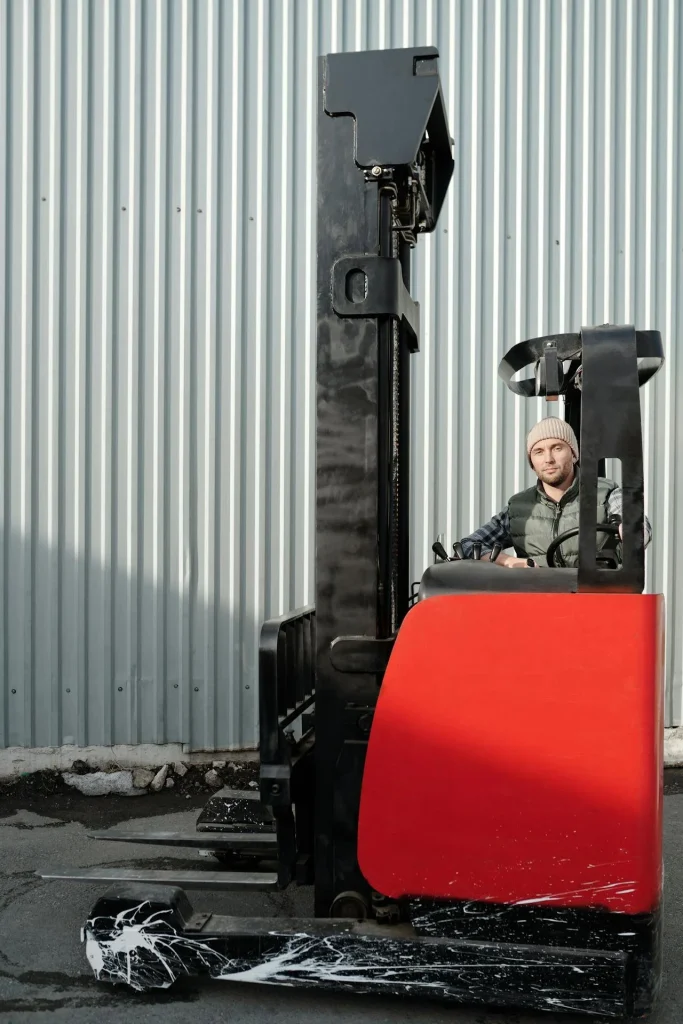
Written By : Darko Efficiency is crucial in the modern business environment that is highly dynamic. Warehouses are always trying to find methods of reducing expenditures and increasing efficiency. One effective strategy is walkie stacker hire. It is a cost-efficient and flexible solution to material handling requirements. Walkie stackers are small and multifunctional, which is ideal in cramped areas. They assist companies to evade huge initial investments on buying equipment. Rental provides companies with the newest technology without making a huge investment. In addition, the use of walkie stackers can save a lot of money in the warehouse. It lowers the cost of maintenance and there is no depreciation issue. The strategy also improves the efficiency of the operations and enables businesses to respond to the changing demands fast. In this article, we explore how hiring a walkie stacker can transform your warehouse operations. Find out the advantages and make the right choices to your business. Understanding Walkie Stackers and Their Role in Warehousing Walkie stackers have become the mainstay of contemporary warehouses because of their versatility. The machines are made to transport and lift pallets easily and thus they are essential. They are compact and thus can operate in tight aisles. Walkie stackers can be used in different industries such as retail and distribution. These machines play a very important role in the safe and fast handling of goods with minimum manual efforts. They are effective in small spaces, which expand storage. Key attributes include: Easy maneuverability in confined spaces. Ergonomic design to reduce operator fatigue. Suitable for light to medium-duty tasks. These attributes promote the effectiveness of operations, resulting in simplified processes. Businesses can enhance the process of material movement and productivity by incorporating walkie stackers into their operations. This makes it possible to manage increased demands in warehouses. The Financial Advantages of Walkie Stacker Hire Deciding to employ walkie stackers is cost effective to the companies. The first benefit is the decrease in the initial investment, which may be high in the case of start-ups. This will enable the companies to utilise resources in other areas. Maintenance services are usually offered in rental agreements of walkie stackers. This prevents the surprise expenses on repair and keeps the equipment in the best condition. It also minimises downtimes thus maintaining the level of productivity. Another important factor is the depreciation costs. Depreciation is part of owning equipment and it may affect the financial statements of a company adversely. By renting walkie stackers, these costs can be avoided altogether, and capital saved. Additionally, rent payment may be classified as operational expenses. This gives possible tax benefits to businesses, enhancing the cash flow. Predictable monthly payments help companies manage their budgets better. In summary, there are several financial advantages: Reduced initial capital expenditure. Avoidance of depreciation costs. Maintenance included in rental agreements. Potential tax benefits. These advantages enable companies to be financially stable and increase the efficiency of their operations. Choosing walkie stacker hire is a strategic decision that supports both growth and cost savings. How Walkie Stacker Hire Drives Warehouse Cost Savings Hire is an effective strategy for reducing warehouse costs. The first is the decrease in maintenance costs, because the rental company usually pays the maintenance costs. This guarantees that equipment is ever in the best state. Besides maintenance, the use of walkie stackers will also avoid the requirement of long-term storage space. This saves storage costs and avoids congestion, enhancing general warehouse management. An efficient space is brought about by a more organised space. Hire also provides flexibility to adjust to fluctuating demand. Companies are able to upscale or downscale without much financial risk. This flexibility is critical when it comes to changes in seasons or unforeseen market fluctuations. Summing up, hire drives warehouse cost savings through: Reduced maintenance costs. Less storage needs. Flexibility to meet demand changes. These advantages enable companies to cut down the cost of operations. Walkie stacker hire offers a sustainable, cost-effective solution to managing warehouse operations efficiently, allowing companies to focus on core business objectives. Operational Efficiency: Boosting Productivity with Walkie Stackers Walkie stackers are made to improve efficiency of operations within the warehouses. They can fit into small aisles and save time in material handling activities since they are compact. This makes it more productive because there is less time spent on navigation. It is also easy to operate and therefore employees do not need much training. This will mean faster induction of new employees so that the operations in the warehouse are not affected. Also, walkie stackers alleviate the physical pressure of the workers, which results in less workplace injury and improved morale. There is also faster and safer handling of goods through walkie stackers. This increases the flow of goods in the warehouse that has a direct effect on the output. The leaner process provided by walkie stackers facilitates a quicker turnaround and higher rates of order fulfillment. Enhancing operational efficiency with walkie stackers includes: Seamless maneuverability in compact spaces. Reduced training and onboarding time. Improved safety and reduced employee injuries. With the introduction of walkie stackers, the level of productivity and efficiency within the business is bound to improve significantly. Such gains are positive to the bottom line of a company and make the operations of the company effective and cost efficient. Comparing Walkie Stacker Hire to Other Material Handling Equipment Hire Options There are unique advantages of walkie stackers compared to other material handling equipment. They are small in size and can fit in small warehouses and narrow aisles. Conversely, conventional forklifts usually need a larger space to work effectively. Walkie stackers are more energy efficient besides the space saving advantage. They use less power than the bigger forklifts and hence have reduced operational costs. This energy efficiency is both cost effective and environmentally friendly. When selecting equipment, look at the following: Space needs and maneuverability. Costs and energy consumption. Fit to present and future operation requirements. Walkie stackers are flexible and affordable to businesses. Although every
Essential Maintenance Tips for Equipment When Hiring a Telehandler Forklift
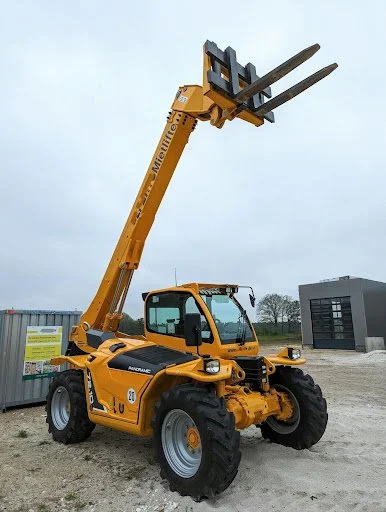
Written By: Darko Hiring a telehandler forklift is a wise decision in most projects. It is flexible and cost effective. Nevertheless, it is important to maintain it properly to be safe and efficient. Failure to maintain may result in expensive repairs and downtimes. It may also be dangerous to the operators and workers. This is why it is crucial to know some of the key maintenance tips.The equipment may be prolonged through regular checks and maintenance. It also makes sure that the telehandler performs optimally. This guide will equip you with some important maintenance knowledge. We have got pre-rental checks to daily safety protocols. Equip yourself with the knowledge before you go ahead with your telehandler forklift hire to keep your rental in top shape. Why Telehandler Forklift Maintenance Matters for Rentals Maintenance is critical to the efficiency of the telehandler forklifts that are rented. Regular maintenance eliminates unforeseen failures. It maintains projects in the right direction and prevents expensive repairs or replacements. Another important reason why maintenance should be done regularly is operational safety. Well maintained forklifts minimise the chances of accidents. This safeguards the operators as well as the ground personnel. Also note the durability of rented equipment. Machines that are well maintained have a longer useful life. This makes them work consistently during the rental process. The major advantages of telehandler forklift maintenance are: Increased safety of operations Lower chance of mechanical breakdown Increase the life of the equipment Moreover, the maintenance of telehandlers guarantees safety rules. It is the duty of the rental companies to ensure that they offer safe and reliable equipment. Routine maintenance assists in fulfilling these requirements. It, therefore, creates a credible relationship between the providers of rentals and the clients. Pre-Rental Inspection: Setting the Standard for Equipment Upkeep Effective telehandler maintenance is established through a comprehensive pre-rental check. This is an important procedure that ensures that everything is in the best shape before it is given to the renter. These checks minimise the chances of surprises in the course of use. There should be a list of elements that should be inspected. The first thing that should be checked is the fluid levels since they are essential to the operation of telehandlers. This should be followed by checking the tyres to see whether they are worn out and whether they are inflated. The two checks provide fundamental operability and safety. Another important area to concentrate on in this process is attachment inspection. Ensure that the boom and other attachments are properly attached and are not defective. This will make sure that the telehandler is capable of carrying the mentioned load safely and efficiently. Rental companies can prevent future liabilities by conducting the ensuing pre-rental inspection checklist: Fluid level (engine oil, hydraulic fluid) Inspect tyres (worn and pressures) Check attachments to fit and work properly In short, a careful pre-rental check is the most important to avoid equipment problems. It contributes to the telehandler reliability during the rental period, which guarantees peace of mind to both the provider and the user. Daily and Weekly Telehandler Safety Checks Telehandler safety checks are vital to the maintenance of operational integrity and safety. The daily and weekly checks allow detecting urgent problems and a more detailed assessment, respectively. Visually inspect the telehandler before starting every day. Make sure that safety decals are clear and intact. Make sure that the lights, horns and warning signals are in proper working condition. The most important daily inspections should be testing the brakes, steering and emergency stop of the telehandler. Such systems are important to prevent accidents and operate safely under different conditions at the site. The more detailed inspection of the telehandler is carried out on a weekly basis and examines the mechanical and electrical parts. Look closely at the boom to see whether it is worn or damaged, and this may affect the ability to handle loads. Write a checklist of these safety checks to make them more thorough and consistent: Inspect safety decals, lights and signals Test brakes, steering and emergency systems Inspect the boom and attachments to check the damages Operators can make the telehandler safe and efficient by incorporating these routine checks into daily and weekly routines. Failure to conduct such inspections may result in expensive repair and safety hazards. Regular maintenance ensures safer working conditions and increases the life span of equipment. Key Areas to Monitor: Fluids, Tyres, and Attachments Telehandler forklifts should be maintained properly by careful observation of the critical parts. One of the first things that should be done is to check the fluid levels. Make sure that the hydraulic fluid, engine oil, and coolant are at their best level to avoid mechanical failures. Check tyres to see whether there is any wear and tear. Inflation is important in stability and safety. Unbalanced tyre pressure may cause instability and possible accidents in the course of operations. The telehandlers have hardworking extensions known as attachments. Check them regularly to see whether they are worn, damaged or stressed. This makes the equipment safe to handle the weight and move around effectively. Use a checklist to monitor these important inspections: Inspect the level of hydraulic fluid, engine oil, and coolant levels Check tyres to see their wear, punctures and inflation levels Inspect attachments and check that they are safe and sound Correct any anomalies as soon as possible before they cause more problems or failures. This preventive measure reduces the downtime and enhances the safety of operators. Regular maintenance of these areas ensures maximum performance and prolongs the life of rented equipment. Operator Training and Forklift Safety Protocols Safe operation of telehandler forklift requires operator training. Accidents can be avoided and equipment can be extended through proper training of staff. Ensure that every operator is familiar with the controls of the particular model of the telehandler rented. Safety measures must be put in place and adhered to. This involves knowing the load capacities of the telehandler and following them to avoid tipping. Operators
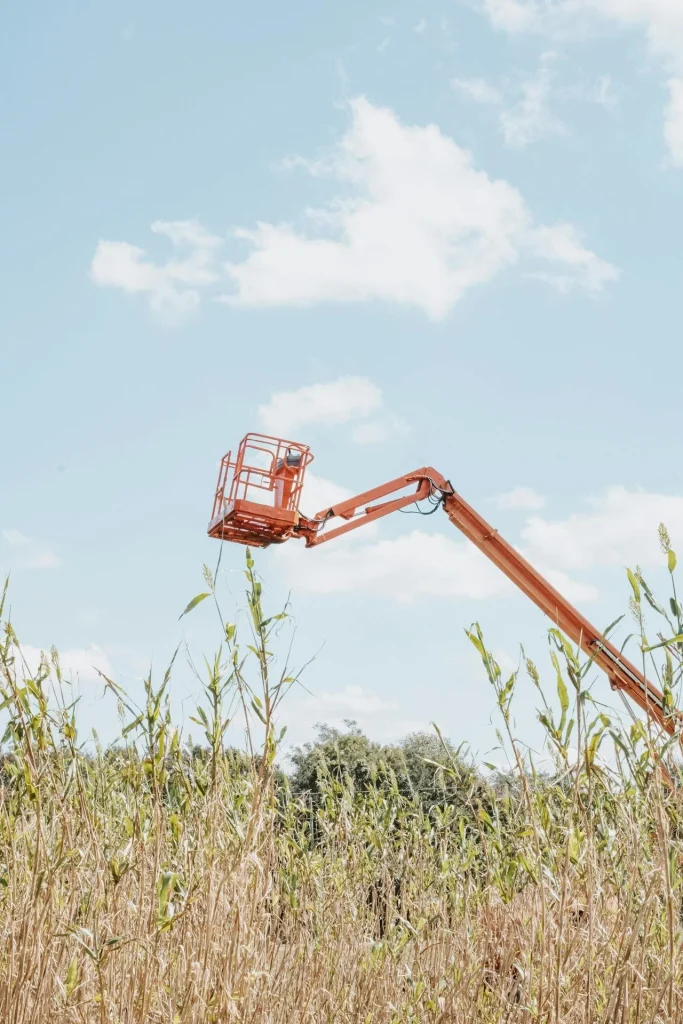
Safety Tips to Follow When Using a Boom Lift Rental
Forklift Hire vs. Purchase: Which Is the Best Option for Your Business?
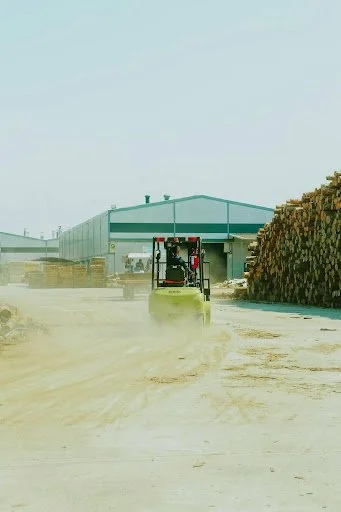
Benefits of Electric Reach Trucks in Warehousing
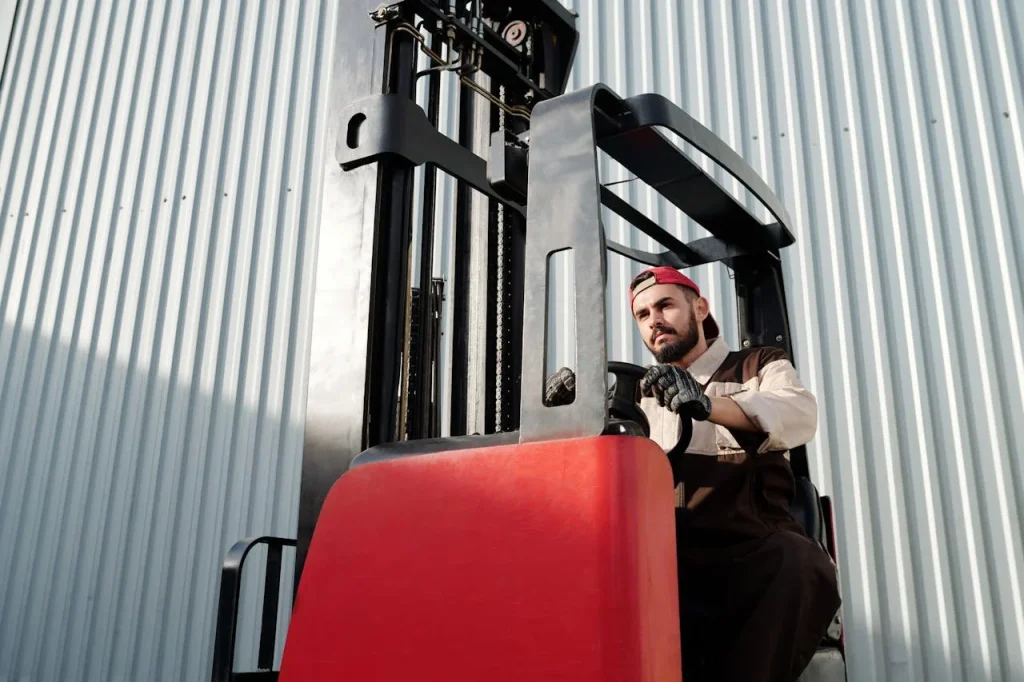
Written By : Darko In the fast-paced world of warehousing, efficiency and sustainability are key. As companies strive to optimise operations and reduce environmental impact, electric reach trucks have emerged as a vital component of modern material handling. These advanced machines offer numerous benefits over their traditional counterparts, making them a smart choice for warehouses looking to enhance productivity and sustainability. Enhanced Efficiency Reach trucks are designed to improve operational efficiency. They are engineered to handle narrow aisles with ease, allowing for better space utilisation. This is particularly advantageous in warehouses where maximising storage capacity is crucial. Their maneuverability ensures quick and precise movements, reducing the time spent on material handling tasks. Environmental Benefits One of the most significant advantages of electric reach trucks is their environmentally friendly nature. Unlike traditional forklifts powered by fossil fuels, they produce zero emissions. This not only helps in reducing the carbon footprint of warehouse operations but also contributes to a healthier work environment. As companies increasingly prioritise sustainability, transitioning to electric forklifts becomes a compelling choice. Cost Savings Though the initial investment in electric options might be higher compared to traditional options, the long-term cost savings are substantial. Reach trucks have fewer moving parts, which means less wear and tear, leading to lower maintenance costs. Additionally, the cost of electricity is generally lower than that of diesel or gas, resulting in reduced operational expenses over time. Safety and Ease of Use Reach trucks are known for their user-friendly design, which enhances operator safety and comfort. These trucks feature advanced control systems that are easy to learn and operate, reducing the risk of accidents. The quiet operation of electric options also means less noise pollution, creating a more pleasant working environment. Furthermore, many models come equipped with safety features such as automatic speed reduction and load stability control. Versatility Reach trucks are versatile machines capable of handling a wide range of tasks. From lifting and moving pallets with electric pallet trucks to more complex material handling tasks, these trucks are equipped to handle various warehouse needs. Their adaptability makes them an ideal choice for businesses looking to streamline operations without the need for multiple types of equipment. Conclusion The benefits of electric reach trucks in warehousing are clear: enhanced efficiency, environmental sustainability, cost savings, improved safety, and versatility. As businesses continue to seek ways to optimise their operations and align with sustainable practices, reach trucks stand out as a forward-thinking solution. By investing in these advanced machines, warehouses can not only boost their productivity but also contribute to a greener future. For warehouses aiming to stay competitive and responsible, the transition is a strategic move that promises lasting benefits.
Choosing the Right Scissor Lift Rental
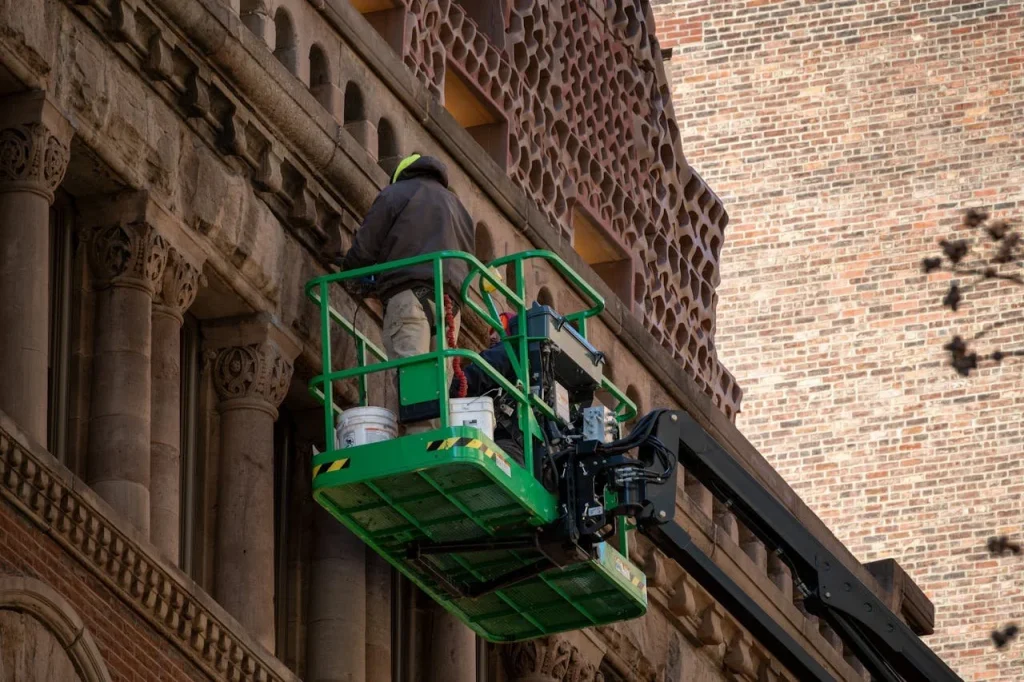
Written By : Darko When it comes to working at height, safety and efficiency are paramount. Whether you’re in construction, maintenance, or any industry requiring elevated work platforms, scissor lifts are indispensable tools. But choosing the right scissor lift rental can make a big difference in your project’s success. In this guide, we’ll explore the factors you need to consider to make the best choice for your needs. Understanding Scissor Lifts Scissor lifts are versatile machines designed to move vertically to provide access to elevated areas. They are used in various industries, from construction sites to warehouses. Understanding the basics of scissor lifts can help you make an informed decision when renting one. Types of Scissor Lifts There are several types of scissor lifts, each suited for different applications: Electric Scissor Lifts: These are ideal for indoor use due to their quiet operation and lack of emissions. They are perfect for tasks in warehouses, retail stores, and other indoor environments. Rough Terrain Scissor Lifts: Designed for outdoor use, these lifts have robust tires and powerful engines to handle uneven surfaces. They are suitable for construction sites and other rugged environments. Hydraulic Scissor Lifts: These lifts use hydraulic mechanisms to operate. They are versatile and can be used both indoors and outdoors, depending on the specific model. Factors to Consider When Renting a Scissor Lift Choosing the right rental involves more than just picking the first available option. Here are key factors to consider: Weight Capacity One of the most important factors is the weight capacity of the scissor lift. Ensure the lift can safely support the weight of the workers and any equipment they need to bring up. Overloading a lift can be dangerous and is a significant safety violation. Platform Height and Reach Consider the maximum height you need to reach. Scissor lifts come in various heights, and choosing one that matches your project needs is crucial. Also, think about the horizontal reach, especially if the work area is not directly beneath the lift. Power Source The power source of the scissor lift is another important consideration: Electric: Best for indoor use where emissions and noise should be minimised. Diesel or Gas: Suitable for outdoor use where power is a priority, and emissions are less of a concern. Terrain and Location Evaluate the terrain where the scissor lift will be used. For indoor, flat surfaces, electric scissor lifts are ideal. For uneven or rough outdoor terrain, opt for a rough terrain scissor lift. Rental Duration Determine how long you need the scissor lift. Rental companies often offer various pricing plans based on daily, weekly, or monthly rentals. Be clear on your project timeline to choose the most cost-effective option. Safety Features Safety should always be a priority. Look for scissor lifts with safety features such as guardrails, emergency stop buttons, and non-slip platforms. Ensuring the rental equipment is well-maintained and inspected is also vital for safety. How to Find a Reliable Rental Company Choosing a reputable rental company is as important as selecting the right equipment. Here are tips to find a reliable provider: Reputation: Look for companies with positive reviews and testimonials. A good reputation indicates reliable service and quality equipment. Experience: Choose a company with experience in equipment rental. They are likely to have a wide range of equipment and knowledgeable staff to assist you. Customer Service: A company that provides excellent customer service will make the rental process smooth and hassle-free. They should be willing to answer questions and provide necessary support. Maintenance and Inspection: Ensure the company regularly maintains and inspects their equipment. This practice not only ensures safety but also reduces the risk of equipment failure during your project. Cost-Effective Tips for Rental Renting a scissor lift can be a significant investment, but there are ways to make it more cost-effective: Plan Ahead Before renting, outline your project requirements and timeline. Knowing exactly what you need and for how long can prevent unnecessary costs. Bundle Rentals If you need multiple pieces of equipment, consider bundling your rentals with one company. Many providers offer discounts for multiple rentals. Flexible Rental Options Some companies offer flexible rental options. If your project timelines change, check if the rental company can accommodate extensions or early returns without hefty fees. Conclusion Choosing the right scissor lift rental involves understanding your project needs, evaluating different types of lifts, and selecting a reputable rental company. By taking into account factors like weight capacity, platform height, power source, terrain, and safety features, you can ensure that your work at height is safe and efficient. With proper planning and the right rental partner, you’ll be well-equipped to tackle any elevated tasks your project demands. Remember, a successful project starts with the right tools. Make sure your rental is one of them.
Essential Guide to Forklift Rental Services
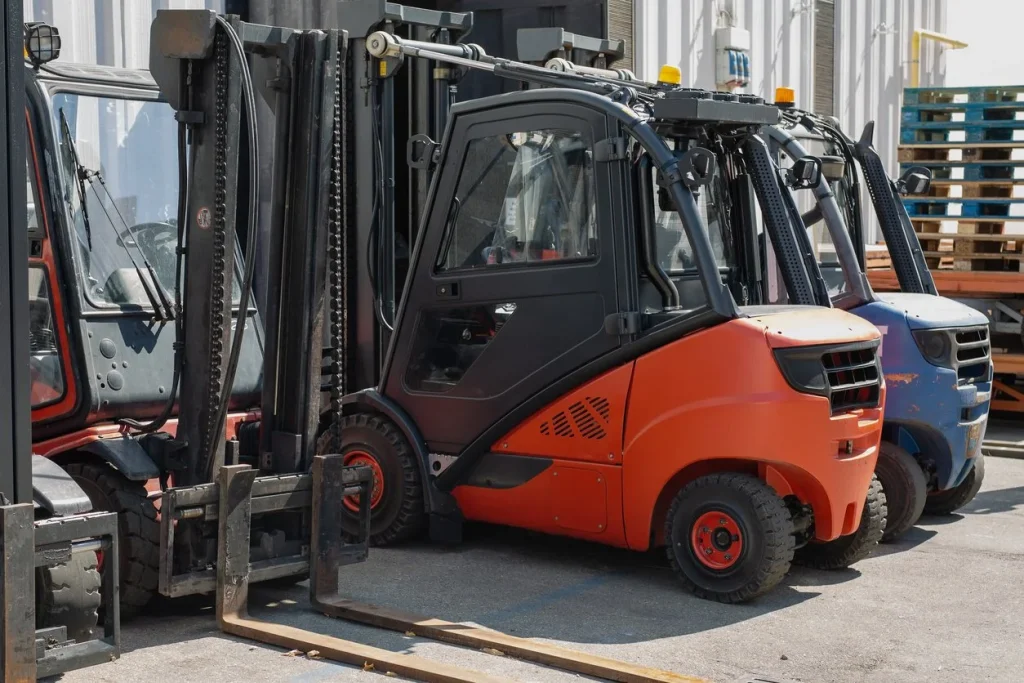
Written By : Darko Forklift rental services can be a vital part of your business operations, especially if you need to handle heavy lifting or material transportation. Whether you’re running a warehouse, a construction site, or a manufacturing plant, renting a forklift can offer flexibility and cost savings. In this guide, we will walk you through everything you need to know about forklift hire, including types of forklifts available, benefits of renting, and tips for choosing the right rental service. Understanding Forklift Rental Services Rental services provide businesses with the opportunity to use forklifts without the long-term commitment of purchasing one. This flexibility is particularly useful for companies that have fluctuating demands or short-term projects. Let’s explore the key elements of forklift truck rental. Types of Forklifts Available for Rent When considering rental, it’s important to know the types of forklifts available to suit your specific needs: Counterbalance Forklifts: These are the most common type of forklift. They have forks protruding from the front and no outrigging legs or arms, allowing them to drive up directly to the load. Reach Trucks: Ideal for indoor use, these trucks are designed to extend their forks to reach loads at heights. They are perfect for warehouses with high shelving. Pallet Jacks: Also known as pump trucks, these are smaller, manual forklifts used for lifting and moving pallets over short distances. Rough Terrain Forklifts: Designed for outdoor use, they are equipped with large tires for uneven surfaces, making them ideal for construction sites. Telehandlers: These versatile machines can extend their boom forward and upward, allowing them to handle loads at various heights and angles. Benefits of Forklift Truck Rental Renting a forklift instead of buying can offer several advantages: Cost-Effective: Purchasing a forklift can be a substantial investment. Renting allows you to pay only for the time you need the equipment, which can significantly reduce costs. Flexibility: Rental services provide the flexibility to choose different types of forklifts for different tasks. This adaptability is especially useful for businesses with varying needs. Maintenance-Free: Rental companies typically handle all maintenance and repairs, ensuring that the forklift is always in good working condition. This can save you time and money on upkeep. Access to the Latest Models: Renting gives you access to the latest forklift models and technology without the need for continuous investment in new equipment. Scalability: As your business grows, you can easily scale up your forklift fleet by renting additional units as needed. Choosing the Right Rental Service Selecting the right rental service can make all the difference in your operations. Here are some factors to consider: Rental Terms and Conditions Before committing to a rental service, make sure you understand the terms and conditions, including: Rental Duration: Determine how long you’ll need the forklift. Some companies offer daily, weekly, or monthly rental options. Pricing: Compare prices between different rental services to ensure you’re getting a fair deal. Be aware of any additional fees that may apply. Insurance: Check if the rental includes insurance coverage or if you need to arrange it separately. Equipment Availability and Condition Ensure that the rental service has the specific type of forklift you need and that the equipment is in excellent condition. Ask about the age and maintenance history of the forklifts. Delivery and Pickup Services Consider whether the rental company offers delivery and pickup services. This convenience can save you time and logistical challenges. Support and Customer Service Good customer service is crucial. Choose a rental service that offers reliable support in case of any issues with the forklift. Quick response times can minimise downtime and keep your operations running smoothly. Safety Considerations Safety should always be a top priority when operating forklifts. Here are some safety tips to consider: Training: Ensure that your operators are trained and certified to operate the type of forklift you are renting. Inspection: Conduct a thorough inspection of the forklift before use to identify any potential issues. Load Capacity: Never exceed the forklift’s load capacity, as it can lead to accidents and damage. Environment: Be aware of the operating environment and any potential hazards, such as uneven surfaces or narrow aisles. Conclusion Forklift rental services offer a flexible and cost-effective solution for businesses that require material handling equipment. By understanding the types of forklifts available, the benefits of renting, and how to choose the right rental service, you can make informed decisions that support your business needs. Always prioritise safety and ensure that your operators are well-trained to maximise the efficiency and effectiveness of your rental. Whether you’re handling a temporary project or need to scale your operations, rental provides a practical and efficient way to meet your lifting and transportation requirements. With the right service, you can enjoy the advantages of modern equipment without the long-term commitments of ownership.
Safety Guidelines for Operating Electric Scissor Lifts
Written By : Darko When it comes to operating electric scissor lifts, safety should always be the top priority. These versatile machines are widely used in various industries, from construction to maintenance, for their ability to elevate workers and materials to significant heights. However, like any machinery, they come with inherent risks. Understanding and following safety guidelines can prevent accidents and ensure the well-being of everyone involved. In this article, we’ll explore essential safety practices for operating these electric vehicles effectively. Understanding Electric- Powered Scissor Lifts Before diving into the safety guidelines, it’s important to have a basic understanding of what electric-powered scissor lifts are and how they function. They are aerial work platforms that move vertically using a crisscrossing metal support structure, hence the name “scissor lift.” They are powered by an electric motor, making them suitable for indoor use due to their quiet operation and zero emissions. Key Components of an Electric-Powered Electric options consist of several key components, including: Platform: The surface where workers stand and materials are placed. Guardrails: Safety barriers surrounding the platform to prevent falls. Control Panel: Located on the platform, it allows operators to control the lift’s movement. Base and Wheels: Provide stability and mobility to the lift. Scissor Arms: The metal supports that extend and contract to move the platform up and down. Pre-Operation Safety Checks Before operating an electric options, conducting thorough pre-operation checks is crucial. These checks help identify potential issues and ensure the lift is in safe working condition. Visual Inspection Conduct a visual inspection of the scissor lift, checking for any signs of damage or wear. Look for: Cracks or Deformations: Inspect the metal structure and scissor arms for any cracks or deformations. Fluid Leaks: Check for leaks from hydraulic or other fluid systems. Loose or Missing Parts: Ensure all nuts, bolts, and components are secure and in place. Tire Condition: Examine the tires for wear and proper inflation. Functionality Test Perform a functionality test to ensure all controls and safety features are operational: Control Panel: Test all control panel functions, including raising, lowering, and emergency stop. Safety Devices: Verify that guardrails, toe boards, and safety chains are secure and in good condition. Brakes and Steering: Check the brakes and steering for responsiveness. Safe Operating Practices Adhering to safe operating practices is essential for minimising risks while using electric options. Proper Training and Certification Ensure that all operators are properly trained and certified to operate electric vehicles. Training should cover: Operating Procedures: Understanding how to safely operate the lift. Emergency Protocols: Knowing how to respond in case of an emergency. Load Capacity: Understanding the weight limits for both personnel and materials. Load Management Managing the load on the scissor lift is vital for stability and safety: Weight Limits: Never exceed the lift’s specified weight capacity. Balanced Load: Ensure the load is evenly distributed on the platform. Secured Materials: Secure all materials to prevent them from falling during operation. Safe Movement and Positioning When moving and positioning the scissor lift, follow these guidelines: Flat Surfaces: Operate the lift only on stable, level surfaces to prevent tipping. Obstacle Clearance: Ensure there are no overhead obstacles or power lines in the lift’s path. Slow Movement: Move the lift slowly, especially when elevated, to avoid sudden shifts that could destabilise it. Awareness and Communication Effective communication and awareness are key to operating electric-powered equipment safely: Spotters: Use a spotter to guide the operator when maneuvering in tight spaces. Clear Signaling: Establish clear hand signals or use radios for communication between the operator and spotter. Alertness: Maintain awareness of surroundings and potential hazards at all times. Emergency Preparedness Being prepared for emergencies can make a significant difference in ensuring safety. Emergency Lowering Procedures Familiarise yourself with the lift’s emergency lowering procedures. In case of a power failure or other emergency, knowing how to safely lower the platform can prevent accidents. Rescue Plan Have a rescue plan in place in case of an incident involving a trapped or injured worker. This should include: Emergency Contacts: Have a list of emergency contacts readily available. First Aid Kit: Ensure a first aid kit is accessible on-site. Rescue Equipment: Keep necessary rescue equipment nearby. Maintenance and Upkeep Regular maintenance and upkeep of electric-powered equipment are crucial for safe operation. Scheduled Maintenance Follow the manufacturer’s recommended maintenance schedule to keep the lift in optimal condition. This includes: Routine Inspections: Conduct regular inspections to identify and address potential issues. Component Servicing: Service hydraulic systems, brakes, and other critical components as needed. Record Keeping Maintain detailed records of all inspections, maintenance, and repairs. This documentation can be valuable for ensuring compliance and identifying recurring issues. Conclusion Operating electric-powered machinery safely requires a combination of proper training, diligent maintenance, and adherence to safety guidelines. By understanding the equipment, conducting pre-operation checks, following safe practices, and being prepared for emergencies, operators can minimise risks and ensure a safe working environment. Prioritising safety not only protects workers but also enhances productivity and efficiency in the workplace. Always remember, a safe workplace is a successful workplace.