Benefits of Electric Reach Trucks in Warehousing
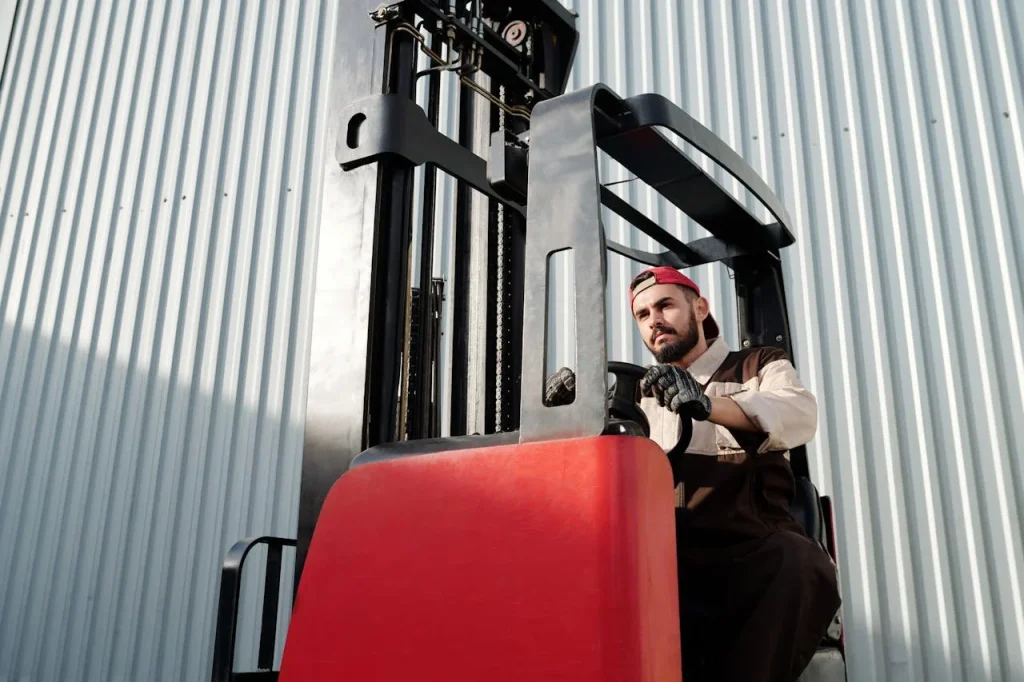
Written By : Darko In the fast-paced world of warehousing, efficiency and sustainability are key. As companies strive to optimise operations and reduce environmental impact, electric reach trucks have emerged as a vital component of modern material handling. These advanced machines offer numerous benefits over their traditional counterparts, making them a smart choice for warehouses looking to enhance productivity and sustainability. Enhanced Efficiency Reach trucks are designed to improve operational efficiency. They are engineered to handle narrow aisles with ease, allowing for better space utilisation. This is particularly advantageous in warehouses where maximising storage capacity is crucial. Their maneuverability ensures quick and precise movements, reducing the time spent on material handling tasks. Environmental Benefits One of the most significant advantages of electric reach trucks is their environmentally friendly nature. Unlike traditional forklifts powered by fossil fuels, they produce zero emissions. This not only helps in reducing the carbon footprint of warehouse operations but also contributes to a healthier work environment. As companies increasingly prioritise sustainability, transitioning to electric forklifts becomes a compelling choice. Cost Savings Though the initial investment in electric options might be higher compared to traditional options, the long-term cost savings are substantial. Reach trucks have fewer moving parts, which means less wear and tear, leading to lower maintenance costs. Additionally, the cost of electricity is generally lower than that of diesel or gas, resulting in reduced operational expenses over time. Safety and Ease of Use Reach trucks are known for their user-friendly design, which enhances operator safety and comfort. These trucks feature advanced control systems that are easy to learn and operate, reducing the risk of accidents. The quiet operation of electric options also means less noise pollution, creating a more pleasant working environment. Furthermore, many models come equipped with safety features such as automatic speed reduction and load stability control. Versatility Reach trucks are versatile machines capable of handling a wide range of tasks. From lifting and moving pallets with electric pallet trucks to more complex material handling tasks, these trucks are equipped to handle various warehouse needs. Their adaptability makes them an ideal choice for businesses looking to streamline operations without the need for multiple types of equipment. Conclusion The benefits of electric reach trucks in warehousing are clear: enhanced efficiency, environmental sustainability, cost savings, improved safety, and versatility. As businesses continue to seek ways to optimise their operations and align with sustainable practices, reach trucks stand out as a forward-thinking solution. By investing in these advanced machines, warehouses can not only boost their productivity but also contribute to a greener future. For warehouses aiming to stay competitive and responsible, the transition is a strategic move that promises lasting benefits.
Choosing the Right Scissor Lift Rental

Written By : Darko When it comes to working at height, safety and efficiency are paramount. Whether you’re in construction, maintenance, or any industry requiring elevated work platforms, scissor lifts are indispensable tools. But choosing the right scissor lift rental can make a big difference in your project’s success. In this guide, we’ll explore the factors you need to consider to make the best choice for your needs. Understanding Scissor Lifts Scissor lifts are versatile machines designed to move vertically to provide access to elevated areas. They are used in various industries, from construction sites to warehouses. Understanding the basics of scissor lifts can help you make an informed decision when renting one. Types of Scissor Lifts There are several types of scissor lifts, each suited for different applications: Electric Scissor Lifts: These are ideal for indoor use due to their quiet operation and lack of emissions. They are perfect for tasks in warehouses, retail stores, and other indoor environments. Rough Terrain Scissor Lifts: Designed for outdoor use, these lifts have robust tires and powerful engines to handle uneven surfaces. They are suitable for construction sites and other rugged environments. Hydraulic Scissor Lifts: These lifts use hydraulic mechanisms to operate. They are versatile and can be used both indoors and outdoors, depending on the specific model. Factors to Consider When Renting a Scissor Lift Choosing the right rental involves more than just picking the first available option. Here are key factors to consider: Weight Capacity One of the most important factors is the weight capacity of the scissor lift. Ensure the lift can safely support the weight of the workers and any equipment they need to bring up. Overloading a lift can be dangerous and is a significant safety violation. Platform Height and Reach Consider the maximum height you need to reach. Scissor lifts come in various heights, and choosing one that matches your project needs is crucial. Also, think about the horizontal reach, especially if the work area is not directly beneath the lift. Power Source The power source of the scissor lift is another important consideration: Electric: Best for indoor use where emissions and noise should be minimised. Diesel or Gas: Suitable for outdoor use where power is a priority, and emissions are less of a concern. Terrain and Location Evaluate the terrain where the scissor lift will be used. For indoor, flat surfaces, electric scissor lifts are ideal. For uneven or rough outdoor terrain, opt for a rough terrain scissor lift. Rental Duration Determine how long you need the scissor lift. Rental companies often offer various pricing plans based on daily, weekly, or monthly rentals. Be clear on your project timeline to choose the most cost-effective option. Safety Features Safety should always be a priority. Look for scissor lifts with safety features such as guardrails, emergency stop buttons, and non-slip platforms. Ensuring the rental equipment is well-maintained and inspected is also vital for safety. How to Find a Reliable Rental Company Choosing a reputable rental company is as important as selecting the right equipment. Here are tips to find a reliable provider: Reputation: Look for companies with positive reviews and testimonials. A good reputation indicates reliable service and quality equipment. Experience: Choose a company with experience in equipment rental. They are likely to have a wide range of equipment and knowledgeable staff to assist you. Customer Service: A company that provides excellent customer service will make the rental process smooth and hassle-free. They should be willing to answer questions and provide necessary support. Maintenance and Inspection: Ensure the company regularly maintains and inspects their equipment. This practice not only ensures safety but also reduces the risk of equipment failure during your project. Cost-Effective Tips for Rental Renting a scissor lift can be a significant investment, but there are ways to make it more cost-effective: Plan Ahead Before renting, outline your project requirements and timeline. Knowing exactly what you need and for how long can prevent unnecessary costs. Bundle Rentals If you need multiple pieces of equipment, consider bundling your rentals with one company. Many providers offer discounts for multiple rentals. Flexible Rental Options Some companies offer flexible rental options. If your project timelines change, check if the rental company can accommodate extensions or early returns without hefty fees. Conclusion Choosing the right scissor lift rental involves understanding your project needs, evaluating different types of lifts, and selecting a reputable rental company. By taking into account factors like weight capacity, platform height, power source, terrain, and safety features, you can ensure that your work at height is safe and efficient. With proper planning and the right rental partner, you’ll be well-equipped to tackle any elevated tasks your project demands. Remember, a successful project starts with the right tools. Make sure your rental is one of them.
Essential Guide to Forklift Rental Services
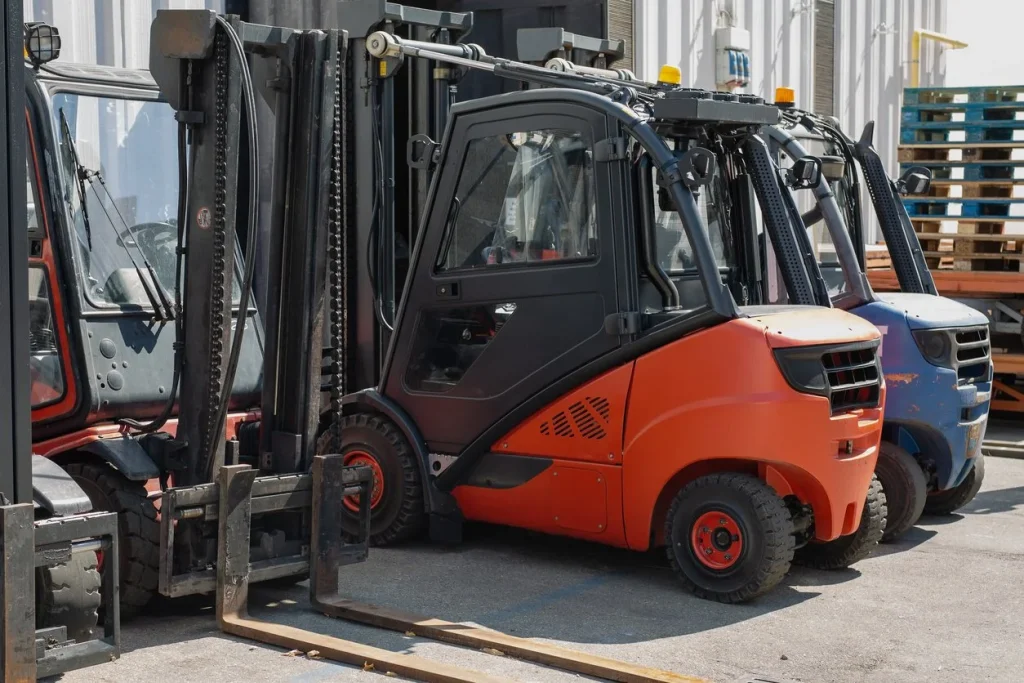
Written By : Darko Forklift rental services can be a vital part of your business operations, especially if you need to handle heavy lifting or material transportation. Whether you’re running a warehouse, a construction site, or a manufacturing plant, renting a forklift can offer flexibility and cost savings. In this guide, we will walk you through everything you need to know about forklift hire, including types of forklifts available, benefits of renting, and tips for choosing the right rental service. Understanding Forklift Rental Services Rental services provide businesses with the opportunity to use forklifts without the long-term commitment of purchasing one. This flexibility is particularly useful for companies that have fluctuating demands or short-term projects. Let’s explore the key elements of forklift truck rental. Types of Forklifts Available for Rent When considering rental, it’s important to know the types of forklifts available to suit your specific needs: Counterbalance Forklifts: These are the most common type of forklift. They have forks protruding from the front and no outrigging legs or arms, allowing them to drive up directly to the load. Reach Trucks: Ideal for indoor use, these trucks are designed to extend their forks to reach loads at heights. They are perfect for warehouses with high shelving. Pallet Jacks: Also known as pump trucks, these are smaller, manual forklifts used for lifting and moving pallets over short distances. Rough Terrain Forklifts: Designed for outdoor use, they are equipped with large tires for uneven surfaces, making them ideal for construction sites. Telehandlers: These versatile machines can extend their boom forward and upward, allowing them to handle loads at various heights and angles. Benefits of Forklift Truck Rental Renting a forklift instead of buying can offer several advantages: Cost-Effective: Purchasing a forklift can be a substantial investment. Renting allows you to pay only for the time you need the equipment, which can significantly reduce costs. Flexibility: Rental services provide the flexibility to choose different types of forklifts for different tasks. This adaptability is especially useful for businesses with varying needs. Maintenance-Free: Rental companies typically handle all maintenance and repairs, ensuring that the forklift is always in good working condition. This can save you time and money on upkeep. Access to the Latest Models: Renting gives you access to the latest forklift models and technology without the need for continuous investment in new equipment. Scalability: As your business grows, you can easily scale up your forklift fleet by renting additional units as needed. Choosing the Right Rental Service Selecting the right rental service can make all the difference in your operations. Here are some factors to consider: Rental Terms and Conditions Before committing to a rental service, make sure you understand the terms and conditions, including: Rental Duration: Determine how long you’ll need the forklift. Some companies offer daily, weekly, or monthly rental options. Pricing: Compare prices between different rental services to ensure you’re getting a fair deal. Be aware of any additional fees that may apply. Insurance: Check if the rental includes insurance coverage or if you need to arrange it separately. Equipment Availability and Condition Ensure that the rental service has the specific type of forklift you need and that the equipment is in excellent condition. Ask about the age and maintenance history of the forklifts. Delivery and Pickup Services Consider whether the rental company offers delivery and pickup services. This convenience can save you time and logistical challenges. Support and Customer Service Good customer service is crucial. Choose a rental service that offers reliable support in case of any issues with the forklift. Quick response times can minimise downtime and keep your operations running smoothly. Safety Considerations Safety should always be a top priority when operating forklifts. Here are some safety tips to consider: Training: Ensure that your operators are trained and certified to operate the type of forklift you are renting. Inspection: Conduct a thorough inspection of the forklift before use to identify any potential issues. Load Capacity: Never exceed the forklift’s load capacity, as it can lead to accidents and damage. Environment: Be aware of the operating environment and any potential hazards, such as uneven surfaces or narrow aisles. Conclusion Forklift rental services offer a flexible and cost-effective solution for businesses that require material handling equipment. By understanding the types of forklifts available, the benefits of renting, and how to choose the right rental service, you can make informed decisions that support your business needs. Always prioritise safety and ensure that your operators are well-trained to maximise the efficiency and effectiveness of your rental. Whether you’re handling a temporary project or need to scale your operations, rental provides a practical and efficient way to meet your lifting and transportation requirements. With the right service, you can enjoy the advantages of modern equipment without the long-term commitments of ownership.
Safety Guidelines for Operating Electric Scissor Lifts
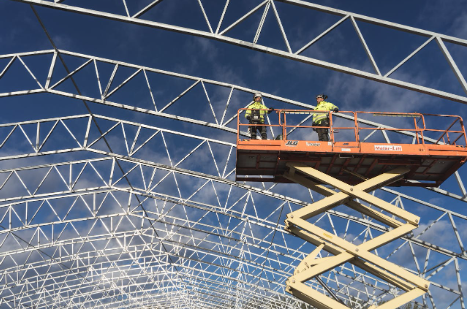
Written By : Darko When it comes to operating electric scissor lifts, safety should always be the top priority. These versatile machines are widely used in various industries, from construction to maintenance, for their ability to elevate workers and materials to significant heights. However, like any machinery, they come with inherent risks. Understanding and following safety guidelines can prevent accidents and ensure the well-being of everyone involved. In this article, we’ll explore essential safety practices for operating these electric vehicles effectively. Understanding Electric- Powered Scissor Lifts Before diving into the safety guidelines, it’s important to have a basic understanding of what electric-powered scissor lifts are and how they function. They are aerial work platforms that move vertically using a crisscrossing metal support structure, hence the name “scissor lift.” They are powered by an electric motor, making them suitable for indoor use due to their quiet operation and zero emissions. Key Components of an Electric-Powered Electric options consist of several key components, including: Platform: The surface where workers stand and materials are placed. Guardrails: Safety barriers surrounding the platform to prevent falls. Control Panel: Located on the platform, it allows operators to control the lift’s movement. Base and Wheels: Provide stability and mobility to the lift. Scissor Arms: The metal supports that extend and contract to move the platform up and down. Pre-Operation Safety Checks Before operating an electric options, conducting thorough pre-operation checks is crucial. These checks help identify potential issues and ensure the lift is in safe working condition. Visual Inspection Conduct a visual inspection of the scissor lift, checking for any signs of damage or wear. Look for: Cracks or Deformations: Inspect the metal structure and scissor arms for any cracks or deformations. Fluid Leaks: Check for leaks from hydraulic or other fluid systems. Loose or Missing Parts: Ensure all nuts, bolts, and components are secure and in place. Tire Condition: Examine the tires for wear and proper inflation. Functionality Test Perform a functionality test to ensure all controls and safety features are operational: Control Panel: Test all control panel functions, including raising, lowering, and emergency stop. Safety Devices: Verify that guardrails, toe boards, and safety chains are secure and in good condition. Brakes and Steering: Check the brakes and steering for responsiveness. Safe Operating Practices Adhering to safe operating practices is essential for minimising risks while using electric options. Proper Training and Certification Ensure that all operators are properly trained and certified to operate electric vehicles. Training should cover: Operating Procedures: Understanding how to safely operate the lift. Emergency Protocols: Knowing how to respond in case of an emergency. Load Capacity: Understanding the weight limits for both personnel and materials. Load Management Managing the load on the scissor lift is vital for stability and safety: Weight Limits: Never exceed the lift’s specified weight capacity. Balanced Load: Ensure the load is evenly distributed on the platform. Secured Materials: Secure all materials to prevent them from falling during operation. Safe Movement and Positioning When moving and positioning the scissor lift, follow these guidelines: Flat Surfaces: Operate the lift only on stable, level surfaces to prevent tipping. Obstacle Clearance: Ensure there are no overhead obstacles or power lines in the lift’s path. Slow Movement: Move the lift slowly, especially when elevated, to avoid sudden shifts that could destabilise it. Awareness and Communication Effective communication and awareness are key to operating electric-powered equipment safely: Spotters: Use a spotter to guide the operator when maneuvering in tight spaces. Clear Signaling: Establish clear hand signals or use radios for communication between the operator and spotter. Alertness: Maintain awareness of surroundings and potential hazards at all times. Emergency Preparedness Being prepared for emergencies can make a significant difference in ensuring safety. Emergency Lowering Procedures Familiarise yourself with the lift’s emergency lowering procedures. In case of a power failure or other emergency, knowing how to safely lower the platform can prevent accidents. Rescue Plan Have a rescue plan in place in case of an incident involving a trapped or injured worker. This should include: Emergency Contacts: Have a list of emergency contacts readily available. First Aid Kit: Ensure a first aid kit is accessible on-site. Rescue Equipment: Keep necessary rescue equipment nearby. Maintenance and Upkeep Regular maintenance and upkeep of electric-powered equipment are crucial for safe operation. Scheduled Maintenance Follow the manufacturer’s recommended maintenance schedule to keep the lift in optimal condition. This includes: Routine Inspections: Conduct regular inspections to identify and address potential issues. Component Servicing: Service hydraulic systems, brakes, and other critical components as needed. Record Keeping Maintain detailed records of all inspections, maintenance, and repairs. This documentation can be valuable for ensuring compliance and identifying recurring issues. Conclusion Operating electric-powered machinery safely requires a combination of proper training, diligent maintenance, and adherence to safety guidelines. By understanding the equipment, conducting pre-operation checks, following safe practices, and being prepared for emergencies, operators can minimise risks and ensure a safe working environment. Prioritising safety not only protects workers but also enhances productivity and efficiency in the workplace. Always remember, a safe workplace is a successful workplace.
Why Electric Reach Trucks Are Ideal for Indoor Material Handling
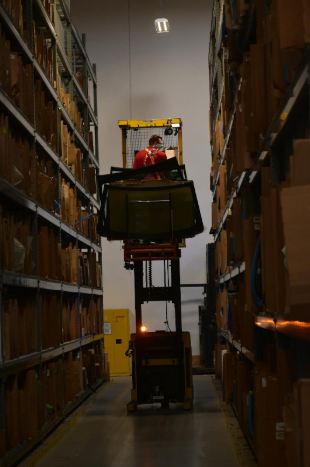
Written By : Darko In the world of material handling, efficiency and safety are paramount. Businesses are constantly on the lookout for equipment that can help streamline operations while maintaining a safe working environment. Electric reach trucks have emerged as a popular choice for indoor material handling, offering a range of benefits that make them ideal for warehouses and storage facilities. In this article, we’ll explore why electric-powered options are a smart investment and how they compare to other equipment like electric pallet jacks and electric forklifts. Understanding Electric-Powered Reach Trucks Reach trucks which are electric-powered are specialised forklifts designed for indoor use, particularly in warehouses with narrow aisles. They feature an extendable mast that allows operators to “reach” into storage racks to retrieve or place loads. This unique design enables them to handle loads at heights and depths that traditional forklifts cannot reach. Key Features of Electric-Powered Reach trucks which are electric-powered come equipped with several features that make them stand out: Compact Design: Their compact body allows them to navigate tight spaces effortlessly, making them perfect for cramped warehouse environments. Extendable Mast: The extendable mast provides versatility in lifting and placing loads, increasing efficiency in handling tasks at varying heights. Advanced Ergonomics: Many models feature ergonomic controls and seating to reduce operator fatigue and increase productivity. Electric Power: Being electrically powered, these trucks produce zero emissions, making them environmentally friendly and suitable for indoor use. The Advantages of Electric-Powered When it comes to indoor material handling, electric options offer several advantages over other types of equipment: Enhanced Maneuverability One of the most significant advantages of electric options is their ability to maneuver in tight spaces. Their compact design and agility make them ideal for warehouses with narrow aisles, where larger forklifts might struggle to operate efficiently. Increased Efficiency Electric options are designed to optimise the handling of goods at various heights. Their extendable mast allows operators to reach higher storage racks without needing additional equipment. This capability not only speeds up the material handling process but also reduces the need for multiple pieces of equipment, which can clutter warehouse space. Safety Features Safety is a critical concern in material handling. Electric options come equipped with numerous safety features to protect both the operator and the goods being handled. These include stability control systems, load sensors, and ergonomic operator cabins that enhance visibility and reduce the risk of accidents. Cost-Effectiveness While the initial investment in electric-powered vehicles may be higher than other equipment, their long-term cost-effectiveness makes them a wise choice. Their electric power source reduces fuel costs, and they require less maintenance compared to combustion engine forklifts. Moreover, their efficiency in handling tasks can lead to labor savings over time. Comparing Electric Trucks to Other Equipment To fully appreciate the benefits of electric-powered reach trucks, it’s essential to compare them to other common indoor material handling equipment, such as electric pallet jacks and electric forklifts. Electric Pallet Jacks Electric pallet jacks are used for moving pallets at ground level. While they are excellent for transporting goods over short distances, they lack the ability to lift loads to significant heights. In contrast, electric options can handle tasks that require vertical movement, making them more versatile in warehouse settings. Electric Forklifts Electric forklifts are another popular choice for indoor material handling. They offer substantial lifting capacity and can handle a variety of tasks. However, they may struggle in narrow aisles or when precision is required in placing loads at height. Electric-powered options, with their extendable mast and compact design, excel in these situations, offering greater flexibility and efficiency. Considerations for Choosing Electric-Powered When deciding whether electric options are the right choice for your facility, consider the following factors: Warehouse Layout Evaluate the layout of your warehouse. If your facility has narrow aisles or vertical storage racks, electric may be the best option for maximising space and efficiency. Types of Loads Consider the types of loads you’ll be handling. Electric options are ideal for lighter loads that require precise placement at height. For heavier loads, you may need to evaluate the lifting capacity of different models to ensure they meet your needs. Budget While electric options can be a significant investment, their long-term cost savings and efficiency gains can justify the expense. Consider the total cost of ownership, including maintenance and operating costs, when making your decision. Operator Training Ensure that your operators receive proper training in using electric vehicles. Their advanced features require skilled handling to maximise safety and efficiency. Conclusion Electric vehicles are a game-changer for indoor material handling. Their compact design, maneuverability, and ability to handle loads at varying heights make them indispensable in modern warehouses. By investing in electric-powered, businesses can enhance their operational efficiency, improve safety, and ultimately save on costs. Whether you’re managing a bustling distribution center or a smaller warehouse, electric-powered reach trucks offer the versatility and performance needed to keep your operations running smoothly.
The Pros and Cons of Electric Scissor Lifts – A Business Owner’s Guide
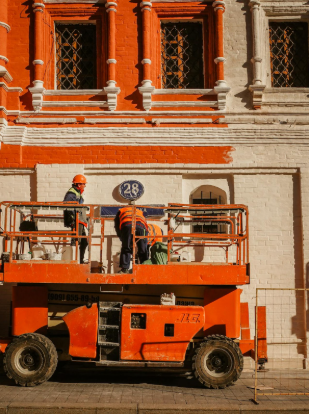
Written By : Darko When it comes to worksite equipment, scissor lifts are becoming increasingly popular. These versatile machines are reshaping how businesses approach tasks that involve working at heights. However, like any piece of equipment, they come with their own set of pros and cons. As a business owner, understanding these advantages and disadvantages can help you make informed decisions for your worksite needs. In this guide, we will delve into the key benefits and potential drawbacks of scissor lifts that are electric, providing you with a comprehensive overview to assist in your decision-making process. What Are Electric Scissor Lifts? Electric scissor lifts are a type of aerial work platform used to lift workers and materials vertically. They are powered by electric motors and are often favored for their ability to provide a stable platform for tasks that require working at height. These lifts are commonly used in construction, maintenance, and warehouse operations due to their versatility and ease of use. Their compact design and ability to reach significant heights make them invaluable for a wide range of applications. They operate through a crisscrossing pattern of supports that extend and contract, allowing the platform to rise vertically. This mechanism provides a steady and safe environment for workers to perform their duties. The growing demand for these lifts in various industries highlights their importance in modern-day operations, offering a practical solution for reaching elevated areas efficiently. Pros of Electric They offer several benefits that make them a popular choice for many businesses. Here are some of the main advantages: 1. Environmentally Friendly One of the biggest advantages of the electric versions is that they are environmentally friendly. Unlike their diesel or gas-powered counterparts, electric lifts produce zero emissions. This makes them an excellent choice for indoor use, where air quality can be a concern. Additionally, using electric lifts can contribute to a company’s sustainability goals by reducing its carbon footprint. In an era where environmental responsibility is increasingly important, adopting cleaner technologies like electric lifts can enhance a company’s reputation and align with global sustainability initiatives. Furthermore, the absence of harmful emissions makes them suitable for use in environments with strict air quality regulations. This can open up opportunities for businesses in sectors that prioritise or require eco-friendly practices. By choosing electric lifts, companies can demonstrate their commitment to sustainability, which can be a significant factor in attracting environmentally-conscious clients and partners. 2. Quiet Operation They operate much more quietly than those powered by combustion engines. This quiet operation is beneficial in indoor environments such as warehouses, shopping centers, or hospitals, where noise levels must be kept to a minimum. The reduced noise can also improve the work environment for employees, making it easier to communicate and concentrate on tasks. A quieter work environment can lead to increased productivity and reduced stress levels among workers, contributing to a more pleasant and efficient workplace. In industries where noise pollution is a concern, such as healthcare or education, the quiet operation of them is a distinct advantage. It allows for the continuation of routine activities without disruption, ensuring that business operations can proceed smoothly. This feature also makes electric versions the preferred choice for projects that require discretion or need to adhere to local noise ordinances. 3. Low Maintenance Costs Electric motors generally require less maintenance than gas or diesel engines. This translates into lower operating costs and less downtime for repairs. With fewer moving parts and no need for oil changes, they can help businesses save on maintenance expenses over time. The simplicity of electric motors means fewer mechanical failures, leading to increased reliability and longer service life for the equipment. Moreover, the ease of maintaining them can lead to significant cost savings, particularly for businesses with large fleets. Reduced maintenance requirements also mean that lifts are available for use more often, minimising disruptions to work schedules and maximising productivity. This can be a crucial factor for businesses seeking to optimise their operational efficiency and reduce long-term expenses. 4. Easy to Maneuver They are designed to be compact and easy to maneuver, even in tight spaces. This makes them ideal for indoor use where space might be limited. Many models also come with non-marking tires, allowing them to be used on sensitive flooring without causing damage. The ease of maneuverability ensures that workers can position the lifts exactly where needed, enhancing precision and safety in various tasks. Additionally, the compact nature of them means they can be easily transported between different job sites, making them a versatile option for businesses with diverse operational needs. Their ability to navigate confined spaces and delicate surfaces without causing harm is particularly beneficial in industries such as retail, where maintaining the integrity of the environment is critical. Cons of Electric While they offer numerous benefits, they also have some limitations that business owners should consider: 1. Limited Outdoor Use They are generally less suited for outdoor use compared to diesel or gas-powered lifts. They are not well-suited for rough terrain and are typically limited to flat, stable surfaces. Additionally, electric lifts can be affected by weather conditions such as rain or snow, which may limit their usability outdoors. Businesses operating in environments with variable weather or uneven terrain may need to consider alternative lifting solutions to meet their outdoor needs. Moreover, while the electric versions are excellent for indoor tasks, their performance can be compromised in outdoor settings where environmental factors can impact safety and efficiency. Businesses need to evaluate the specific requirements of their projects to determine whether electric lifts are an appropriate choice or if other equipment may be more suitable for outdoor applications. 2. Battery Life and Charging The battery life of them can be a limitation, particularly for businesses that require continuous operation. Depending on the model, batteries may need to be recharged after several hours of use, which can interrupt work schedules. Planning for charging times and ensuring access to charging stations is essential for businesses relying on electric
How to Get the Best Deal on an All Terrain Forklift for Sale
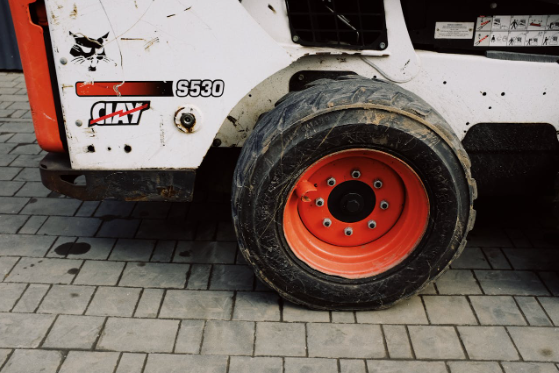
Written By : Darko When you’re in the market for an all terrain forklift for sale, finding the best deal is essential. These versatile machines are perfect for tackling rugged environments, but purchasing an all terrain forklift for sale can be a significant investment. This guide will walk you through the steps to secure the best deal, whether you’re a seasoned buyer or new to the process. Understanding All Terrain Forklifts All-terrain forklifts are designed for use on uneven surfaces, making them ideal for construction sites, lumber yards, and farms. Unlike standard forklifts, these machines have larger, more robust tires and a higher ground clearance, which allows them to navigate challenging terrain with ease. Before diving into the purchasing process, it’s important to understand the specific needs of your operation and how an all-terrain forklift can meet those needs. Key Features to Consider When evaluating all-terrain forklifts, focus on these key features: Load Capacity: Determine the maximum weight the forklift needs to carry. This will help you choose a model that can handle your heaviest loads. Lift Height: Consider how high you need to lift loads. Different models offer varying lift heights. Engine Type: All-terrain forklifts are typically powered by diesel, gas, or electric engines. Each type has its pros and cons depending on your operational needs. Tire Type: Pneumatic tires are common for all-terrain forklifts, but the specific type and size can affect performance on your worksite. Researching Forklift Dealers Finding a reputable forklift dealer is crucial to securing a good deal. Start by searching online for dealers with a strong presence in your area. Look for customer reviews and testimonials to gauge their reputation. Here are a few tips to help you in your search: Ask for Recommendations: Reach out to other businesses in your industry for dealer recommendations. Check Credentials: Ensure the dealer is authorised to sell the brands you’re interested in. Authorised dealers often have better access to parts and service. Visit the Dealership: If possible, visit the dealership in person to get a sense of their inventory and customer service. Comparing Prices and Financing Options Once you’ve shortlisted a few dealers, it’s time to compare prices and financing options. Here’s how to approach this step: Request Quotes Contact each dealer to request detailed quotes for the models you’re interested in. Make sure the quotes include all potential costs, such as taxes, delivery fees, and any additional features. Evaluate Financing Options Many dealers offer financing plans that can make purchasing an all-terrain forklift more affordable. When evaluating financing options, consider: Interest Rates: Look for competitive interest rates that fit your budget. Loan Terms: Shorter loan terms may have higher monthly payments but can save you money on interest. Lease vs. Buy: Some dealers offer lease options, which might be beneficial if you only need the forklift for a short period. Negotiate the Best Deal Armed with quotes and financing information, you’re ready to negotiate. Here are some strategies to help you get the best deal: Bundle Deals: Ask if the dealer offers any discounts for purchasing multiple pieces of equipment or additional accessories. Trade-Ins: If you have an older forklift, inquire about trade-in options that could lower the cost of your new purchase. End-of-Year Sales: Dealers often offer significant discounts at the end of the year to clear out inventory. Inspecting the Forklift Before Purchase Before finalisng your purchase, it’s crucial to inspect the forklift thoroughly. Whether you’re buying new or used, a detailed inspection ensures you’re getting a reliable machine. Here’s what to look for: New Forklifts Warranty: Confirm the warranty coverage and what it includes. Specifications: Double-check that the forklift meets all the specifications you discussed with the dealer. Used Forklifts Maintenance Records: Ask for the forklift’s maintenance history to ensure it’s been well cared for. Physical Inspection: Check for signs of wear and tear, such as rust, leaks, or damaged parts. Test Drive: Operate the forklift to ensure it runs smoothly and handles well on rough terrain. Securing After-Sale Support After purchasing your all-terrain forklift, securing ongoing support is essential for maintenance and repairs. Work with your dealer to establish a service plan that includes regular maintenance checks. This plan should also cover parts replacement and any unexpected repairs that might arise. Building a Relationship with Your Dealer Cultivating a strong relationship with your dealer can be beneficial in the long run. Here’s how to maintain a positive partnership: Communication: Keep open lines of communication for any questions or concerns that arise. Feedback: Provide feedback on your buying experience. Dealers appreciate constructive feedback and may offer incentives for future purchases. Loyalty Programs: Some dealers offer loyalty programs with discounts on services and parts for returning customers. Conclusion Purchasing an all-terrain forklift is a significant investment, but with the right approach, you can secure a great deal that meets your operational needs. By understanding the features that matter most, researching reputable dealers, comparing prices and financing options, and conducting a thorough inspection, you’ll be well-equipped to make an informed purchase. Keep in mind the importance of after-sale support and building a strong relationship with your dealer for continued success. With these steps, you’ll be on your way to acquiring a reliable all-terrain forklift that will serve your business well for years to come. Ready to invest in the right all-terrain forklift at the best price? Contact Wollongong Forklift today for a personalised quote and expert guidance.
How Forklift Jibs Increase Workplace Efficiency and Safety
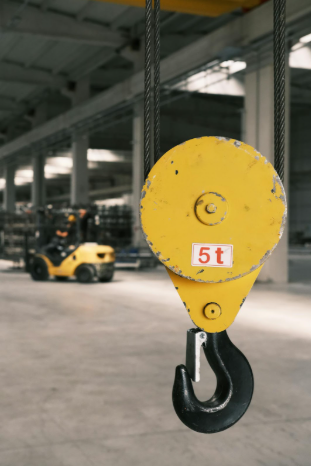
Written By : Darko In today’s fast-paced industrial environment, ensuring workplace efficiency and safety is paramount. Forklift jibs, a versatile piece of lifting equipment, are essential in enhancing these aspects. They transform standard forklifts into powerful lifting machines capable of handling a wide range of tasks. In this article, we delve into how forklift jibs contribute to increased efficiency and safety in the workplace. Understanding Forklift Jibs What Are Jibs? Jibs are specialised forklift attachments designed to extend the functionality of a standard forklift. These attachments are mounted onto the forklift’s forks and provide an extended reach, allowing for the lifting and movement of awkward or heavy loads that a standard forklift cannot handle alone. Types of Jibs There are several types of jibs, each suited for different tasks. The most common types include: Fixed-Length Jibs: These jibs have a set length and are ideal for tasks where the load’s size and weight are consistent. Telescopic Jibs: These can be extended or retracted, offering flexibility in handling different load sizes and reach requirements. Crane Jibs: Designed for more robust lifting tasks, these jibs often include additional features like hooks and chains. Enhancing Workplace Efficiency Versatility in Lifting Jibs significantly increase the versatility of lifting operations. By transforming a forklift into a multi-purpose lifting machine, they allow for the handling of a wide variety of loads without the need for multiple pieces of equipment. This adaptability reduces downtime and increases productivity as tasks can be completed more swiftly. Increased Load Capacity With the right jib attachment, a forklift can handle heavier loads than it could with forks alone. This increased load capacity means fewer trips are needed to move materials, saving time and reducing wear on the equipment. Improved Reach Jibs enable operators to reach higher and further than they could with a standard forklift. This capability is particularly beneficial in warehouses and storage facilities where space is at a premium and vertical stacking is necessary. Boosting Workplace Safety Reduced Risk of Accidents Safety is a critical concern in any industrial setting. Jibs help reduce the risk of accidents by providing better stability and control when handling heavy or awkward loads. The secure attachment of jibs ensures that loads are less likely to shift or fall during transport. Enhanced Operator Control Jibs offer operators greater control over the loads they are moving. With features like adjustable angles and secure attachments, operators can maneuver loads with precision, reducing the risk of accidents and injuries. Compliance with Safety Standards Using jibs can help ensure compliance with workplace safety standards. Many industries have stringent regulations regarding lifting operations, and employing the right equipment is essential for meeting these requirements. Practical Applications of Jibs Construction Sites In construction, jibs are invaluable for moving heavy materials and equipment. They allow for the efficient transport of items like steel beams, concrete slabs, and large machinery, streamlining operations and improving site safety. Warehousing and Logistics In warehouses, jibs are used to stack and retrieve items from high shelves, maximising storage space. Their versatility also aids in quickly adapting to changing inventory needs without requiring additional equipment. Manufacturing Plants Manufacturers benefit from jibs by using them to move bulky or heavy components between production stages. This capability supports a smooth workflow, minimising production delays and enhancing overall efficiency. Choosing the Right Jib for your Forklift Consider Load Requirements When selecting a jib for your forklift, it’s crucial to consider the load requirements of your operations. Ensure the jib can handle the maximum weight and dimensions of the loads you typically move. Evaluate Reach and Flexibility Consider the reach required for your operations. Telescopic jibs are ideal for environments where flexibility in reach is necessary, while fixed-length jibs are better suited for consistent load sizes and distances. Assess Safety Features Ensure that the jib you choose comes with essential safety features such as secure locking mechanisms and adjustable angles. These features will enhance the safety and effectiveness of your lifting operations. Conclusion Forklift jibs are a valuable addition to any industrial setting, offering significant enhancements in workplace efficiency and safety. By extending the capabilities of standard forklifts, they allow for the handling of a broader range of tasks while minimising the risk of accidents. When choosing a jib, consider your specific operational needs and prioritise safety features to maximise benefits. Investing in the right jib for your forklift can transform your operations, making them more efficient and secure. As industries continue to evolve, such versatile equipment will play an increasingly crucial role in meeting the demands of modern workplaces.
Why LPG Forklifts Are the Smart Choice for Your Business
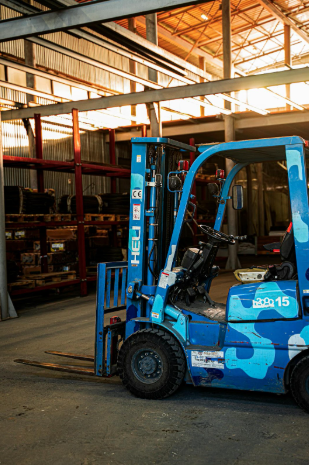
Written By : Darko In the world of material handling, choosing the right equipment is crucial for operational efficiency and safety. Forklifts are the backbone of many businesses, and selecting the right type can make a significant difference in performance and cost-effectiveness. Among the various options available, LPG (liquefied petroleum gas) forklifts stand out as a smart choice for many businesses. In this article, we’ll explore the benefits of LPG and why they might be the right fit for your operations. What Are LPG Forklifts? LPG forklifts are powered by liquefied petroleum gas, a type of gas stored under pressure in a liquid state. These forklifts are equipped with an internal combustion engine that runs on LPG, making them a versatile choice for both indoor and outdoor operations. Unlike electric forklifts, which require long charging times, these forklifts can be quickly refueled, minimising downtime. Advantages of LPG Fuel Efficiency and Cost-Effectiveness One of the most significant advantages of LPG is their fuel efficiency. LPG is generally cheaper than diesel or gasoline, leading to lower operational costs. Additionally, LPG is known for it’s longevity and durability, which translates into fewer maintenance costs over time. Environmental Benefits They produce fewer emissions compared to their diesel counterparts. This makes them a more environmentally friendly option, reducing the carbon footprint of your business. For companies looking to improve their sustainability metrics, switching to LPG is a step in the right direction. Versatility and Power They offer the power and versatility required for a range of applications. They perform well in various settings, from warehouses to outdoor yards. Their ability to handle different types of terrain makes them ideal for businesses that need flexibility in their operations. Quick Refueling Unlike electric forklifts that require hours of charging, these forklifts can be refueled in a matter of minutes. This quick turnaround time ensures that your operations remain uninterrupted, enhancing productivity and efficiency. Indoor and Outdoor Use They emit fewer particulates and gases, making them safer for indoor use than diesel forklifts. Their versatility allows them to seamlessly transition between indoor and outdoor tasks, providing businesses with flexibility and convenience. Considerations When Choosing LPG Availability and Supplier Options When considering LPG, it’s essential to evaluate the availability of suppliers and hire options in your area. Partnering with a reliable forklift supplier ensures consistent access to LPG refueling and maintenance services, which is crucial for maintaining operational efficiency. Maintenance and Safety Although they are durable, regular maintenance is essential to keep them running efficiently. It’s important to follow manufacturer guidelines and schedule routine checks to prevent any potential issues. Additionally, ensuring that your staff is trained in handling LPG safely is critical to avoid accidents and ensure smooth operations. Initial Investment While they can offer savings in fuel and maintenance costs, the initial investment might be higher compared to electric forklifts. However, the long-term benefits often outweigh the initial costs, making them a worthwhile investment for many businesses. How to Get Started with Forklifts Assess Your Needs Before committing to any forklifts, assess your specific operational needs. Consider factors such as load capacity, frequency of use, and the environment where the forklifts will operate. Understanding these requirements will help you select the right model and size for your business. Choose a Reliable Forklift Supplier Finding a reliable forklift supplier is crucial for accessing quality forklifts and support services. Look for suppliers with a proven track record in the industry, offering comprehensive services including sales, hire, maintenance, and training. Evaluate Hire Options For businesses that require flexibility or have fluctuating demands, forklift hire can be an excellent option. Hiring forklifts allows you to scale your operations up or down without the commitment of purchasing equipment. Many suppliers offer short-term and long-term hire options, providing flexibility to meet your needs. Conclusion Choosing LPG offers a range of benefits that make them an attractive choice for businesses looking to enhance their material handling operations. With their fuel efficiency, environmental advantages, and versatility, forklifts can help streamline your operations and improve overall productivity. By partnering with a reputable forklift supplier and carefully assessing your business needs, you can ensure that you make the best choice for your business. Incorporating forklifts into your operations not only boosts efficiency but also aligns with sustainable practices, positioning your business for long-term success. Whether you choose to purchase or hire, forklifts are a smart investment for any forward-thinking business looking to improve its material handling capabilities.
How Scissor Lift Hire Can Improve Efficiency in Warehousing and Logistics Operations
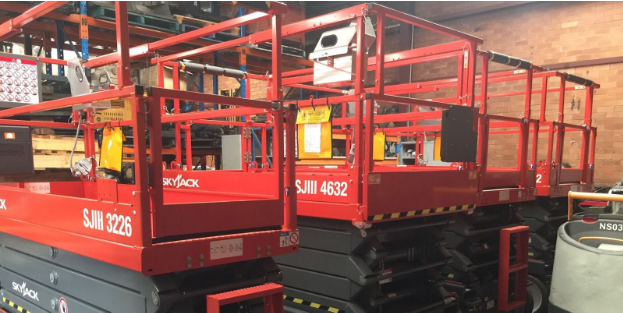
Written By : Darko Warehousing and logistics operations are at the heart of many industries, requiring meticulous organisation and constant movement of goods. Efficient workflow and safe equipment are critical for these operations to succeed. One piece of equipment that has become indispensable in this sector is the scissor lift. Opting for lift hire can bring numerous benefits, including improved access, enhanced safety, and cost-effective solutions for businesses. Benefits of Scissor Lifts in Warehousing and Logistics 1. Improved Access to High Shelving Warehouses often need to utilise vertical space effectively, and scissor lifts are designed to provide safe and stable access to elevated areas. Compared to traditional ladders or scaffolding, scissor lifts offer: Greater Stability: Minimising the risk of falls or accidents. Increased Reach: Allowing workers to access high shelves quickly and efficiently. Ease of Use: Simple controls and smooth operation ensure tasks are completed with minimal effort. This improved access enables faster stocking, inventory checks, and retrieval, helping to streamline daily operations. 2. Enhanced Safety for Workers Worker safety should be a top priority in any warehouse or logistics operation. Scissor lifts are specifically engineered to provide a safer alternative to ladders or makeshift platforms by offering: Enclosed Platforms: Protecting operators from falls. Secure Lifting Mechanisms: Preventing sudden drops or instability. Ergonomic Design: Reducing strain on workers during prolonged tasks. By prioritising safety, businesses can reduce the risk of workplace injuries, downtime, and associated costs. 3. Faster and More Efficient Inventory Management Scissor lifts make inventory tasks more efficient by allowing workers to handle multiple items simultaneously and complete tasks more quickly. Key advantages include: Increased Productivity: Workers can focus on tasks without worrying about the limitations of traditional equipment. Streamlined Operations: Scissor lifts can be easily moved between different areas, saving time during inventory management. Adaptability: Suitable for various tasks, from organising goods to performing maintenance. Flexibility with Scissor Hire Purchasing equipment outright isn’t always a practical solution for every business. Hire provides flexibility and affordability, making it an ideal choice for businesses of all sizes. Key benefits include: 1. Cost-Effective Solutions No Upfront Investment: Hiring eliminates the need for significant capital outlay. Budget-Friendly Options: Hire can be tailored to suit short-term or long-term needs. No Maintenance Costs: Rental agreements typically include servicing and repairs, saving businesses additional expenses. 2. Adaptability to Business Needs Short-Term Projects: Ideal for seasonal operations or temporary warehouse expansions. Long-Term Flexibility: Lift hire agreements can be customised based on the specific requirements of ongoing operations. Access to the Latest Models: Hiring ensures businesses can use the most up-to-date equipment without needing to upgrade or replace outdated machinery. Practical Use Cases for Scissor Lifts in Warehousing and Logistics 1. Stocking and Restocking Scissor lifts simplify the process of placing and retrieving goods from high shelves. Their stable platforms allow workers to handle large or heavy items safely. 2. Equipment Maintenance From replacing light fixtures to inspecting overhead systems, scissor lifts make it easier to carry out maintenance tasks efficiently. 3. Specialised Logistics Needs For businesses that handle oversized or irregularly shaped items, scissor lifts provide the necessary stability and reach to manage these tasks effectively. Choosing the Right Scissor Lift for Your Needs Selecting the right scissor lift depends on the specific requirements of your operations. Key considerations include: Height Requirements: Ensure the lift can reach the necessary working height. Weight Capacity: Choose a model that can safely handle the expected load. Indoor vs. Outdoor Use: Some models are better suited to indoor environments, while others are designed for rugged outdoor conditions. Power Source: Electric scissor lifts are ideal for indoor use, while diesel-powered models are better suited for outdoor tasks. Partnering with a Reliable Scissor Lift Provider To maximise the benefits of lift hire, it’s essential to partner with a reputable supplier. Look for providers that offer: A Wide Range of Equipment: Ensuring you have access to the right lift for every task. Transparent Pricing: No hidden fees or unexpected costs. Comprehensive Support: Including delivery, setup, and on-demand maintenance services. Flexible Hire Agreements: Allowing businesses to scale their equipment needs up or down as required. Final Thoughts Scissor lift hire is a practical and cost-effective solution for warehousing and logistics operations aiming to improve efficiency and safety. By providing easy access to high shelving, enhancing worker safety, and streamlining inventory management, scissor lifts empower businesses to optimise their workflow without significant financial investment. Whether your business needs equipment for short-term projects or ongoing operations, partnering with a trusted scissor lift provider in Wollongong can help you achieve your goals. Explore the range of scissor lifts available for hire today and discover how they can transform your warehousing and logistics processes. To learn more about reliable equipment hire and services, visit Wollongong Forklift today.